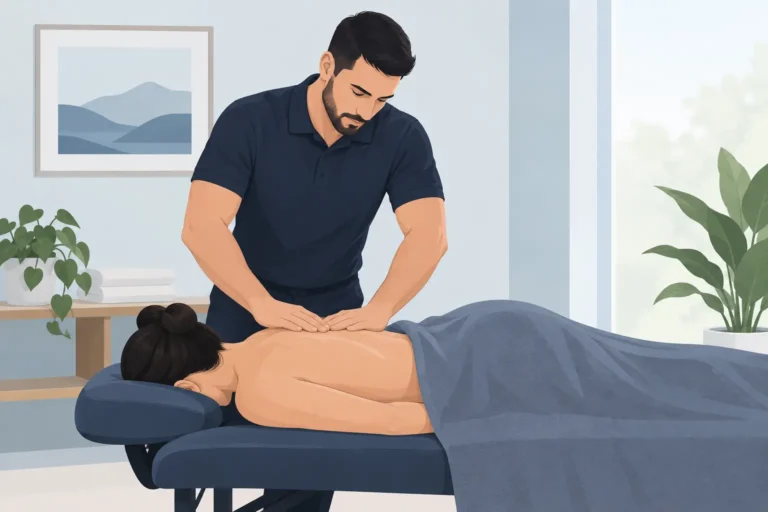
Massage Therapy Packages for Lasting Relief
A single massage can make a tight neck feel lighter or help sore legs recover after a demanding week. But when pain, tension, or restricted movement has been building for months, massage therapy packages can offer something a one-time appointment often cannot: consistent care with time to assess patterns, adapt treatment, and support lasting change.
For many clients in Culver City, Playa Vista, and nearby Los Angeles communities, the real question is not whether massage feels good. It is whether a treatment plan can help them work more comfortably, train with fewer setbacks, sleep better, or move without constantly guarding against pain. The answer depends on your goals, history, and the type of support your body needs.
Why Consistency Changes Massage Outcomes
Muscle tension is rarely caused by one isolated event. Desk posture, long commutes, repetitive work, training load, old injuries, stress, and limited recovery can all influence the way muscles, fascia, and joints move together. A tight upper trapezius may be related to shoulder mechanics. Persistent low back discomfort may involve the hips, glutes, or abdominal bracing patterns. Treating only the area that hurts can bring relief, but it may not fully address what keeps the irritation returning.
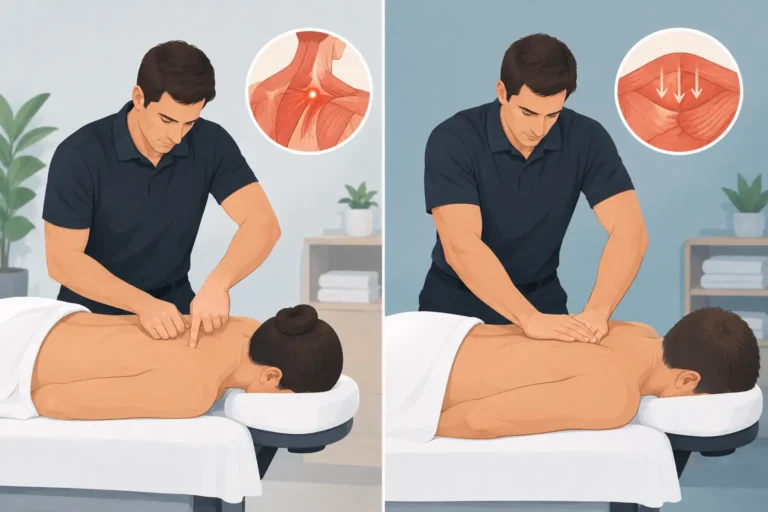
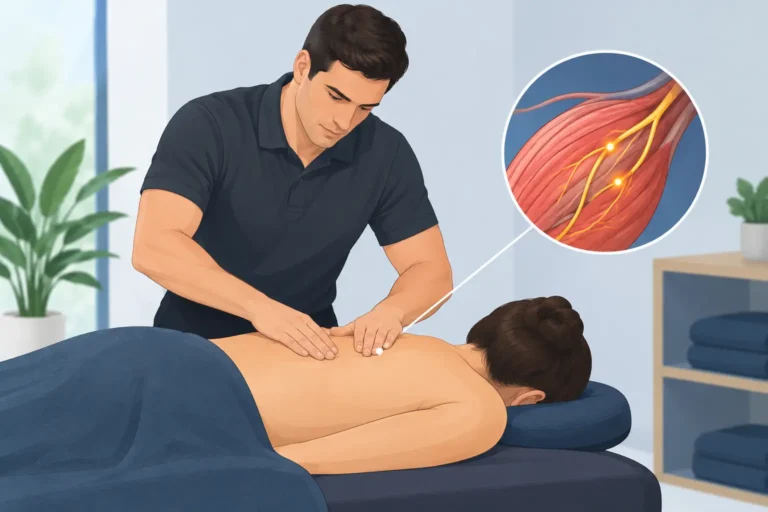
A package creates room for a therapist to observe how your body responds over several sessions. The first appointment may focus on assessment, symptom relief, and identifying sensitive areas or trigger points. Follow-up sessions can build on that information, adjusting pressure, techniques, and treatment areas as mobility changes.
This does not mean every concern requires a long series of appointments. A recent, mild muscle strain may respond well to one or two focused sessions. On the other hand, recurring headaches, chronic shoulder tension, or lingering tightness after an injury may benefit from more regular care at the beginning. The right pace is based on your response, not a rigid formula.
What Massage Therapy Packages Should Include
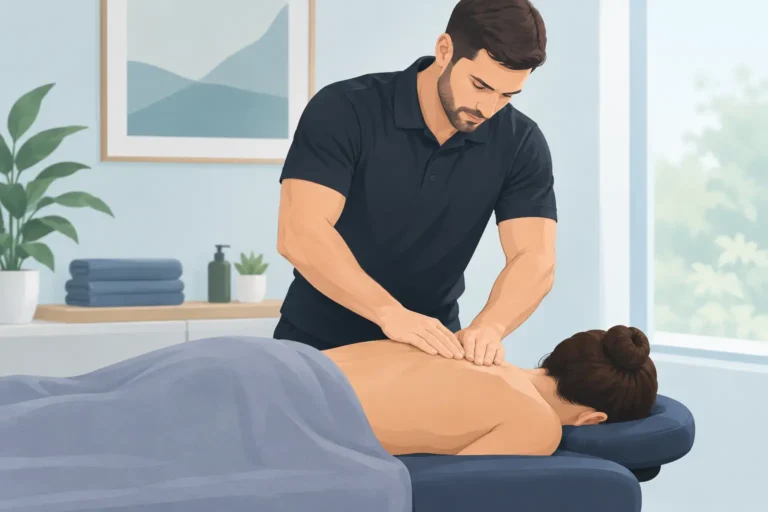
A useful package is more than a discount on several appointments. It should support an intentional treatment plan while giving you flexibility as your symptoms and schedule change. At Aleksei Therapeutic Bodywork, care begins with listening to your health history, daily activities, concerns, and desired outcomes. That information matters because two people with low back pain may need very different treatment.
For one client, deep tissue work and neuromuscular massage may help reduce muscular guarding around the hips and lower back. For another, slower Swedish massage techniques may be more appropriate when stress, poor sleep, and general nervous system overload are major contributors. If swelling support is a concern and you are an appropriate candidate, Manual Lymphatic Drainage using the Dr. Vodder Method uses a gentle, specialized approach that is very different from deep pressure.
A thoughtful package should also allow for reassessment. If your initial goal was relief from computer-related neck tension, but improved shoulder mobility reveals a limitation in the chest, rotator cuff, or upper back, the plan should evolve. Therapeutic massage is most effective when it responds to the person in front of the therapist rather than following the same routine at every visit.
Who May Benefit Most From a Package
Packages are often a practical fit for clients with persistent, predictable, or recovery-related needs. Working professionals who spend long hours at a desk may benefit from regular treatment before neck and shoulder tension becomes a headache, numbness, or a painful limitation in range of motion. Active adults can use targeted bodywork to support recovery, manage training-related tightness, and notice movement restrictions before they become more disruptive.
They can also be helpful during injury recovery, provided massage is appropriate for your stage of healing and coordinated with medical guidance when needed. Treatment may focus on surrounding soft tissue, compensatory muscle tension, circulation, and gradual mobility support rather than aggressively working directly on a painful site.
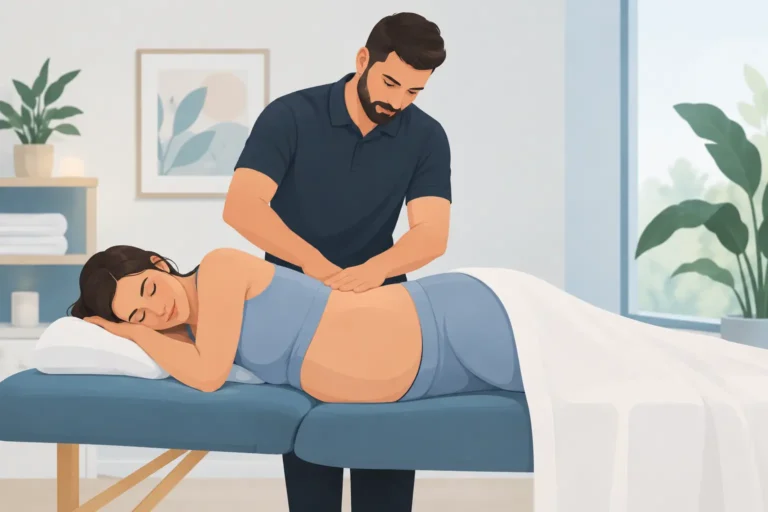
Expecting mothers from the second trimester onward may appreciate a series of prenatal massage sessions as their body changes. Prenatal care is adapted for comfort, positioning, circulation considerations, and areas commonly affected by pregnancy, including the low back, hips, legs, and shoulders. The goal is not simply to apply less pressure. It is to provide safe, responsive treatment for a changing body.
For clients with demanding schedules or difficulty traveling, mobile in-home massage can make consistency more realistic. Convenience is valuable when it helps you maintain care, but the treatment itself should remain just as individualized. An in-home session still begins with communication about symptoms, comfort, pressure preferences, and goals.
Choosing the Right Frequency
There is no universal rule that says everyone should book weekly, biweekly, or monthly. Early in a treatment plan, closer spacing may be useful when discomfort is persistent or when you are working to calm an active pattern of muscle tension. Once symptoms are improving, sessions can often be spaced farther apart to support maintenance and help you notice what keeps you feeling your best.
Your daily habits matter here. Someone who returns to ten-hour computer days, intense workouts, and poor sleep may need a different cadence than someone with a temporary flare-up who can modify activity and recover well between sessions. A therapist can offer recommendations, but your feedback is essential. Lasting relief should never require you to push through pain during treatment or commit to appointments that do not feel useful.
A good sign that the frequency is working is not necessarily that you feel sore after every massage. More meaningful changes may include easier head turns while driving, fewer tension headaches, less stiffness after sitting, better recovery between workouts, or a greater ability to recognize and respond to tension before it escalates.
Getting More Value From Each Session
The value of a package comes from continuity, not from trying to receive the most intense work possible. Share what changed since your last appointment. Mention whether relief lasted for a few hours, several days, or longer; whether certain movements still provoke symptoms; and whether pressure felt helpful or too strong. This feedback helps guide the next session.
It also helps to arrive with a clear priority. You may have several areas of discomfort, but choosing the most limiting concern gives the session direction. If your shoulder pain keeps you awake, that may take priority over general leg tightness. If you are preparing for an event or returning to activity after time off, your treatment can be adapted around that timeline.
Simple care between appointments can extend the benefits. Hydration, gentle movement, rest, and taking short breaks from repetitive positions can all support the work done on the table. Your therapist may suggest practical self-care based on your needs, but recommendations should be manageable, not another complicated wellness assignment.
When a Package May Not Be the Best First Step
Packages are not automatically the right choice for every client. If you are new to massage, uncertain about what type of work feels comfortable, or dealing with a new symptom that has not been evaluated, starting with a single appointment can be sensible. It gives you a chance to discuss your concerns, experience the therapist’s approach, and decide whether ongoing care fits your goals.
Massage is also not a substitute for medical evaluation when symptoms are severe, sudden, unexplained, or accompanied by weakness, numbness, fever, significant swelling, chest pain, or changes in bowel or bladder function. A qualified therapist will screen for contraindications and refer out when massage is not appropriate. Safety and comfort come before any treatment plan.
The best package is one that feels purposeful rather than pressured. It should give your body enough consistency to respond, while preserving the flexibility to change course as you improve. If pain, tension, stress, or restricted movement has become a regular part of your week, a personalized series of sessions may offer the steady support that helps you feel more at home in your body.