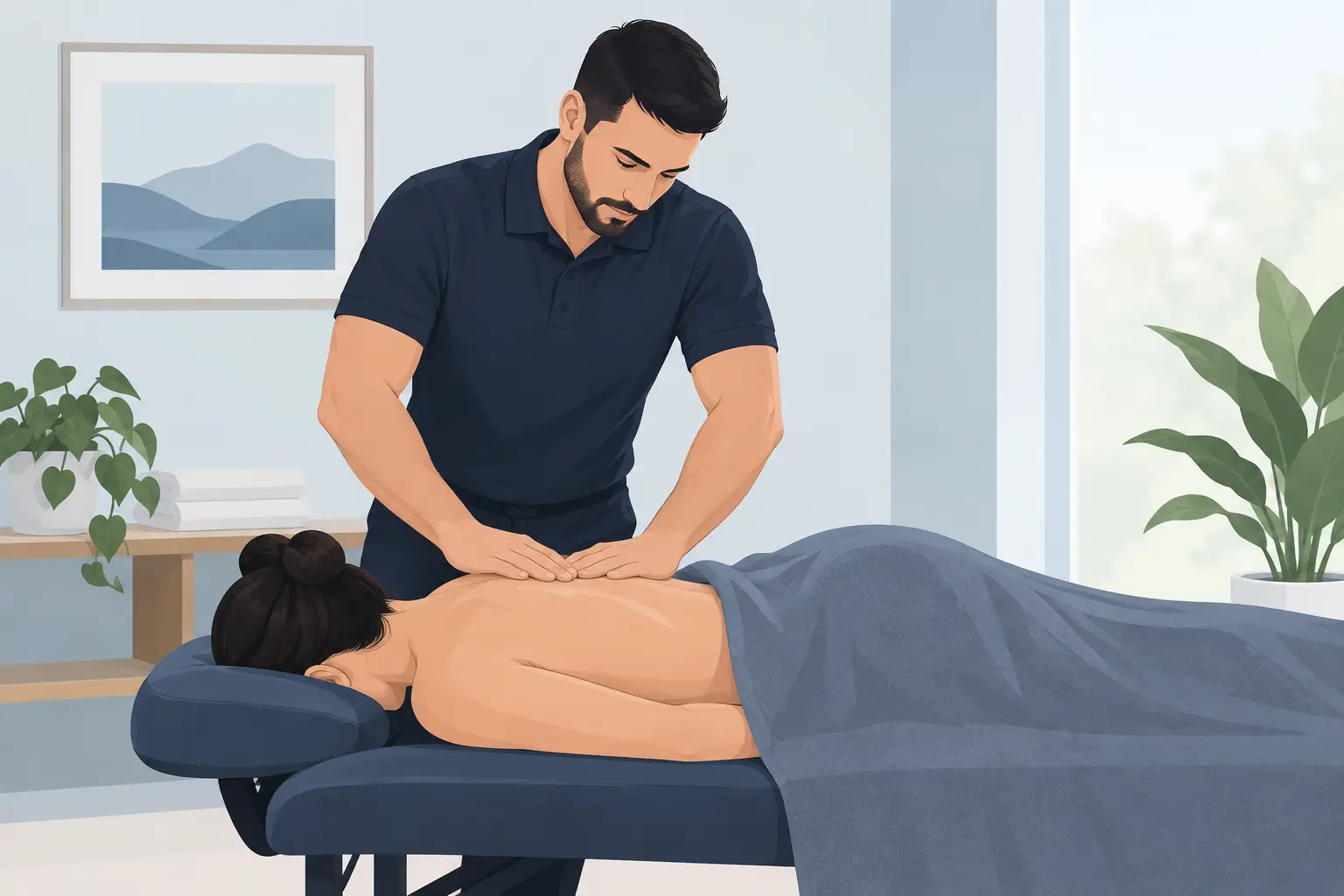
What Therapeutic Bodywork Can Do for Pain
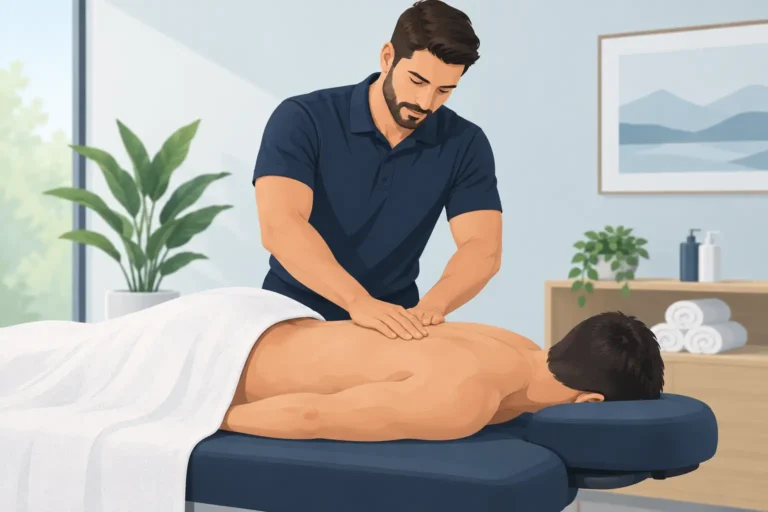
A stiff neck after another laptop-heavy week, a hip that tightens halfway through a run, or low back discomfort that keeps returning are not always problems that improve with a generic massage. Therapeutic bodywork is a personalized approach to massage that looks at how your symptoms, movement patterns, daily demands, and soft tissue health connect. The goal is not simply to help you feel relaxed for an hour, although relaxation matters. It is to help you move, recover, and feel more comfortable in everyday life.
At Aleksei Therapeutic Bodywork, each session starts with listening. Your therapist considers where you feel discomfort, when it began, what makes it better or worse, and what you need your body to do. That information helps shape a treatment that is effective without treating your body like a standard template.
What Makes Therapeutic Bodywork Different?
A spa massage may be exactly what you need when the primary goal is rest and stress relief. Therapeutic massage can include that same sense of calm, but it is more targeted. It uses assessment and intentional techniques to address specific areas of tension, restricted movement, or recurring discomfort.
For example, shoulder pain does not always begin at the shoulder. Desk posture, repetitive reaching, limited upper-back movement, or overworked neck muscles can all contribute. A therapeutic session may work with the neck, chest, shoulder girdle, upper back, and surrounding fascia rather than focusing pressure only on the spot that hurts.
This does not mean every appointment has to feel intense. More pressure is not automatically better pressure. Effective bodywork respects your nervous system, tissue sensitivity, health history, and feedback throughout the session. Sometimes focused deep tissue work is appropriate. At other times, slower, gentler techniques create better results because the body is guarded, inflamed, fatigued, or still recovering from an injury.
Common Reasons Clients Seek Therapeutic Bodywork
Many clients come in because a familiar ache has become difficult to ignore. Others want support before a small limitation becomes a larger interruption to work, sleep, exercise, or parenting. Therapeutic massage may be helpful for persistent neck and shoulder tension, low back tightness, headaches related to muscular tension, restricted hip mobility, post-workout soreness, and stress that shows up physically.
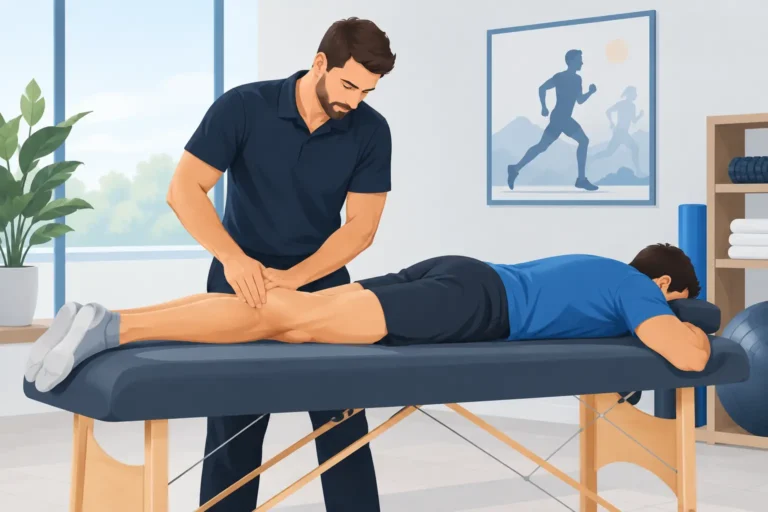
Working professionals often notice a predictable pattern: rounded shoulders, tight chest muscles, tension at the base of the skull, and an upper back that feels rigid by the end of the day. Active clients may experience a different pattern, such as calf tightness, overworked glutes, limited ankle movement, or soreness that lingers longer than expected after training. The treatment should reflect the person in front of the therapist, not just the name of the body part.
Massage can also be valuable during injury recovery when it is appropriate for your stage of healing and coordinated with your medical care. It can support comfort, circulation, and soft tissue mobility, but it does not replace medical diagnosis, physical therapy, or care for a serious injury. New severe pain, unexplained swelling, numbness, weakness, fever, or symptoms after a significant accident should be evaluated by a qualified medical provider first.
The Role of Stress in Physical Discomfort
Stress is not “all in your head.” When your system is under sustained pressure, you may clench your jaw, elevate your shoulders, breathe more shallowly, or sleep poorly. Over time, those patterns can make ordinary muscle tension feel persistent and harder to settle.
A therapeutic session can address the physical effects of stress while creating time for your body to downshift. Swedish relaxation techniques, paced breathing, and comfortable, attentive touch can be as clinically useful as deeper work when stress is amplifying pain or fatigue. The right approach depends on what your body needs that day.
Techniques Used in a Personalized Session
Therapeutic bodywork is not one technique. It is a treatment plan that may combine methods based on your goals, tolerance, and presentation.
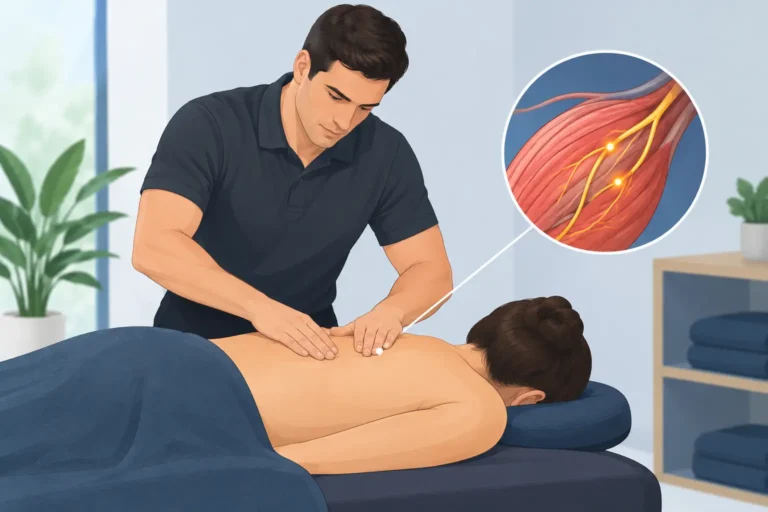
Neuromuscular massage focuses on specific areas of muscular dysfunction, including trigger points and taut bands of tissue that can refer discomfort elsewhere. If pressing a tight spot near the shoulder blade reproduces a familiar ache in the neck or arm, careful neuromuscular work may help reduce that pattern. The work is precise and communicative, not a test of how much discomfort you can endure.
Deep tissue massage works with deeper layers of muscle and fascia using slow, intentional pressure. It can be useful for chronic tightness and areas that feel dense or restricted, especially when paired with movement and appropriate aftercare. Deep tissue work should feel productive, not sharp, breath-holding, or overwhelming.
Manual Lymphatic Drainage using the Dr. Vodder Method is different from deep tissue massage. It uses very light, rhythmic strokes intended to support lymphatic flow and reduce a feeling of swelling or heaviness in appropriate situations. Because lymphatic concerns can have medical causes, a thorough health history and clearance when needed are essential.
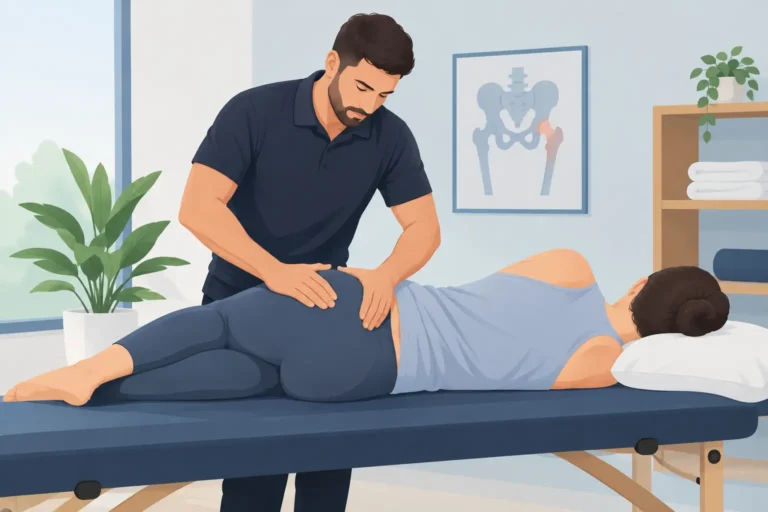
Prenatal massage is adapted for comfort and safety from the second trimester onward. Positioning, pressure, and focus areas are adjusted to support common pregnancy-related discomforts such as low back tension, hip soreness, and fatigue. A therapist should always be informed of any pregnancy complications, medical restrictions, or new symptoms.
What to Expect at Your First Appointment
Your first visit should not begin with a guess. Before hands-on work starts, you can expect a conversation about your health history, current symptoms, activity level, past injuries, and goals. You may be asked about the quality of discomfort, such as whether it is aching, sharp, tingling, constant, or triggered by a particular movement.
You do not need to know the clinical name for what you are feeling. Clear, everyday descriptions are useful. Mention what has already helped, what aggravated the issue, and whether you have seen a doctor, chiropractor, or physical therapist. This helps your therapist make informed choices and recognize when massage is not the right next step.
During treatment, feedback is part of the process. Let your therapist know if pressure feels too light, too strong, or simply different from what you expected. You can also ask to avoid an area, request a change in position, or take a moment to get comfortable. A good session is collaborative.
Afterward, you may feel looser, calmer, or more aware of how your body has been compensating. Mild tenderness can occur after focused work, especially if tissues have been irritated or underused for a long time. Drinking water, taking an easy walk, and avoiding a sudden high-intensity workout can help you gauge how your body responds. Soreness that is severe, worsening, or lasts more than a couple of days is a reason to check in with your provider.
How Often Should You Schedule Treatment?
There is no single schedule that fits every body. A recent flare-up or a longstanding pattern that is affecting sleep or movement may respond well to a short series of appointments closer together. Once symptoms are more manageable, many clients shift to maintenance visits based on work demands, training volume, stress level, and personal goals.
The most useful plan is one that is realistic. If weekly appointments are not practical, your therapist can help prioritize the areas and techniques most likely to make a difference, along with simple movement or recovery suggestions to use between sessions. Consistency often matters more than chasing an occasional overly intense treatment.
For clients in Culver City, Playa Vista, and nearby Los Angeles neighborhoods, in-home massage can also make follow-through easier. Treatment at home can be especially helpful when travel feels inconvenient, recovery time is limited, or you want to remain relaxed after your session rather than getting back into traffic.
Choosing Care That Fits Your Goals
Therapeutic bodywork works best when expectations are clear. Massage can reduce muscular tension, support mobility, improve comfort, and offer meaningful stress relief. It cannot promise to resolve every source of pain in one visit, particularly when symptoms involve a complex injury, joint condition, nerve issue, or medical diagnosis.
The practical question is not whether a massage is “deep enough.” It is whether the treatment is responsive to your body, appropriate for your health, and helping you make measurable progress toward feeling better. Start with the concern that is limiting you most, communicate openly, and give your body the attentive care it has been asking for.