Best Massage for Hip Pain: What Actually Helps
Hip pain rarely comes from just one tight spot. A sore hip after a long day at a desk may involve the glutes, hip flexors, low back, and outer thigh. Pain that shows up during a run, while climbing stairs, or when lying on one side can have a different pattern. That is why the best massage for hip pain is not automatically the deepest massage. It is the treatment that identifies which soft tissues are contributing to your discomfort and works within your comfort level.
For many people, targeted therapeutic massage can reduce muscle guarding, improve comfortable movement, and make daily activities feel less restricted. But the right approach depends on your symptoms, health history, activity level, and whether the pain appears muscular or may need medical evaluation first.
What Is the Best Massage for Hip Pain?
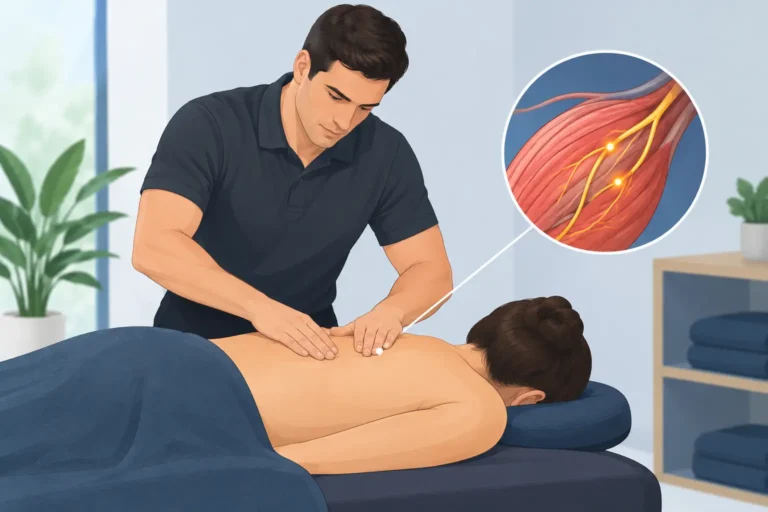
Neuromuscular massage is often one of the most effective options for persistent hip pain with clear areas of tightness, tenderness, or referred pain. This focused approach assesses muscles and trigger points that may be overworking or staying contracted, then uses specific pressure and techniques to help those tissues release.
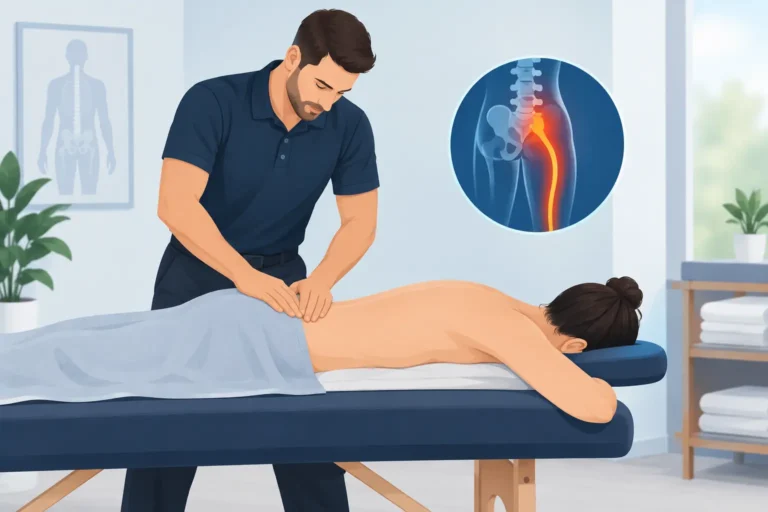
The hip is influenced by more than the joint itself. Tight gluteal muscles can create aching on the outside or back of the hip. Overactive hip flexors may contribute to pain at the front of the hip or low back tension. The tensor fasciae latae and surrounding outer-thigh tissues can become irritated when walking, running, or standing mechanics change. Even the deep rotators around the hip can contribute to symptoms that feel like sciatic discomfort.
A skilled session should not chase pain with more pain. Appropriate pressure may feel intense in a productive way, but you should still be able to breathe normally and communicate comfortably. Pain that makes you brace, hold your breath, or feel worse for days afterward is usually not a sign that the treatment is working harder. It is a sign that the approach may need to be adjusted.
When deep tissue massage is a good fit
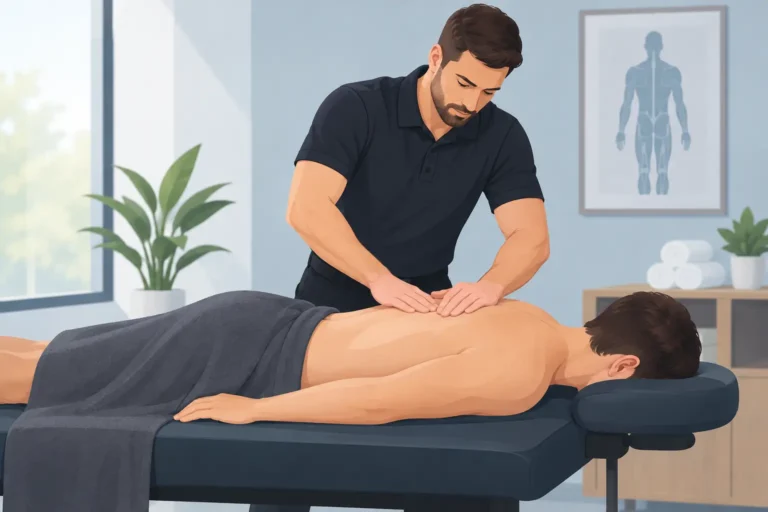
Deep tissue massage can be helpful when long-standing muscle tension and fascial restriction are limiting hip movement. It may be especially useful for active adults who feel chronically tight through the glutes, hamstrings, outer hip, or hip flexors after training, prolonged sitting, or repetitive work demands.
“Deep” describes the intention and pacing of the work, not a requirement to use maximum force. Effective deep tissue work is gradual. The therapist warms and assesses the tissue, follows the body’s response, and combines slower strokes with focused work where it is needed. For hip pain, this may include the gluteal muscles, lateral hip, upper thigh, and related low-back tissues rather than pressing aggressively on the most painful area.
Deep tissue massage may be less appropriate during an acute flare-up, immediately after a new injury, or when the area is inflamed and highly sensitive. In those cases, gentler therapeutic work can be more useful than trying to force a release.
Why neuromuscular work can provide more targeted relief
Neuromuscular massage is particularly valuable when hip pain is recurring or seems to move around. A client may describe a sharp spot near the outer hip, a deep ache in the glute, or tension that returns after each workweek. These patterns often involve trigger points and compensation in multiple muscles.
Instead of treating the hip in isolation, the therapist may assess how the pelvis, low back, thighs, and surrounding soft tissue are working together. Sustained, precise pressure may be used on trigger points, followed by movement or broader massage to help the area settle. The goal is not simply to make a knot disappear in one visit. It is to reduce the strain pattern that keeps bringing it back.
Massage Approaches That May Help Specific Hip Symptoms
The location and behavior of your pain offer useful clues, although they are not a diagnosis. A personalized assessment is always more useful than choosing a service solely by a symptom label.
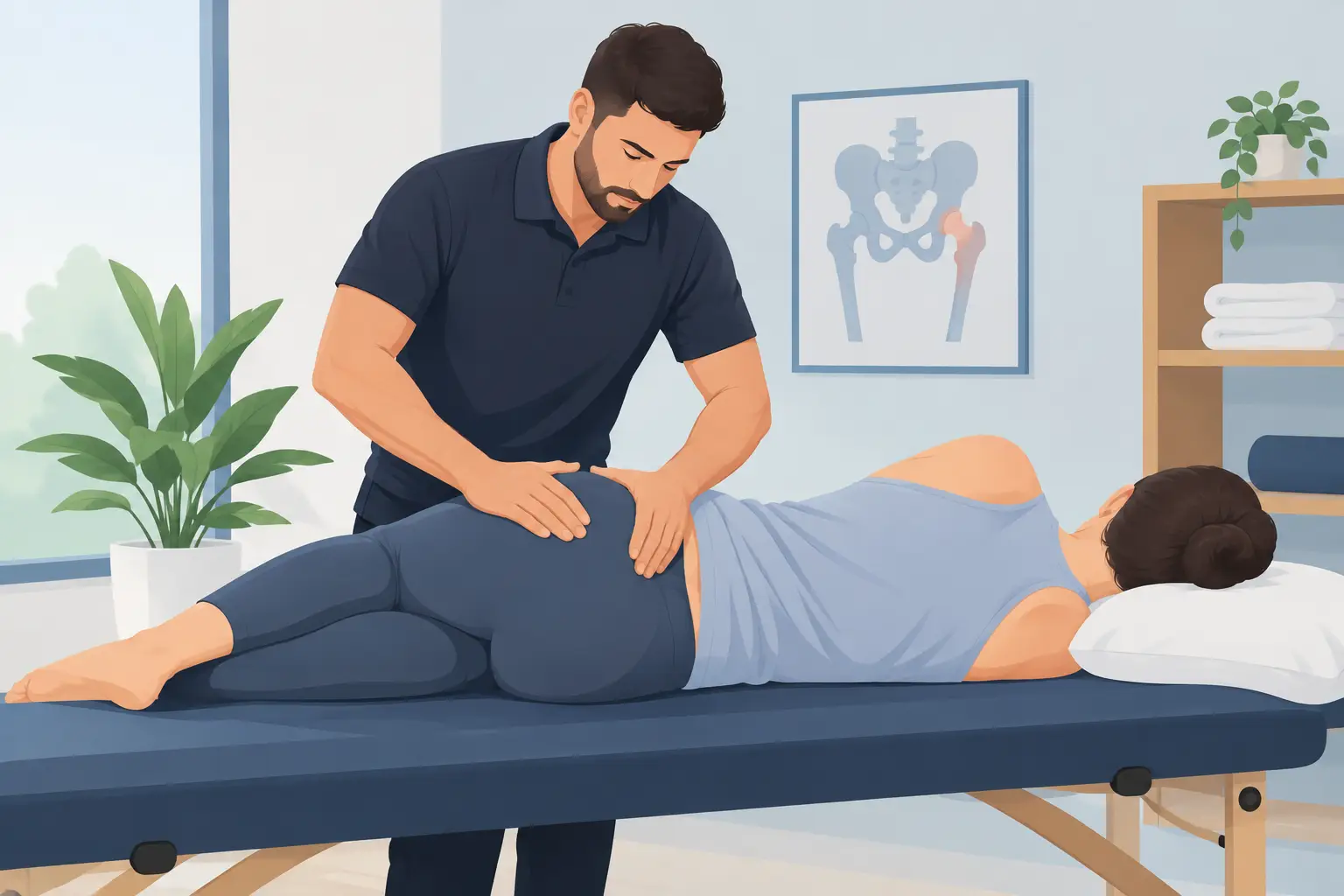
Pain on the outside of the hip often responds well to careful work on the gluteus medius, gluteus minimus, tensor fasciae latae, and neighboring thigh tissues. This is common in people who stand on one leg, climb stairs frequently, run, or sleep on the affected side. Direct pressure over a tender bony area may be uncomfortable or inappropriate, so work around the area can be more productive.
Pain in the front of the hip may be connected to hip flexor tension, especially after long periods of sitting. Therapeutic massage can address surrounding muscles, including the upper thigh and abdominal attachments, while respecting privacy and client comfort. A good practitioner explains what will be treated, obtains consent, and uses draping that allows you to feel secure throughout the session.
Deep glute or back-of-hip discomfort may involve the glutes and smaller rotator muscles. It can also be influenced by the low back and hamstrings. Focused neuromuscular work, paired with broader massage to the surrounding tissues, may help reduce the pulling sensation that makes sitting, driving, or bending uncomfortable.
If your hip pain is mostly stiffness rather than sharp pain, Swedish massage with therapeutic focus can be a sensible place to start. It improves circulation, calms protective muscle tension, and gives the therapist an opportunity to see how your body responds before using more focused pressure. Relaxation and clinical results do not have to be separate goals.
What a Personalized Hip Pain Massage Should Include
A productive massage begins before the first technique. Your therapist should ask when the pain started, what movements aggravate it, whether it travels down the leg, what activities you need to return to, and whether you have had previous injuries or treatment. This conversation helps determine whether massage is appropriate and how the session should be paced.
During treatment, communication matters. Let your therapist know if pressure feels sharp, numb, electrical, or simply too intense. The most useful feedback is specific: whether pain is familiar, whether it eases or spreads, and whether a position causes discomfort. Small adjustments to bolstering, side-lying support, pressure, or technique can make a major difference.
The session should also account for the rest of your body. A tight hip may be reacting to limited ankle mobility, an irritated low back, a long commute, a recent increase in training, or the way you sit while working. Massage can address the soft-tissue component of these patterns, but lasting change often benefits from simple movement habits, appropriate strengthening, rest, or care from another qualified provider when needed.
When Massage Is Not the First Step
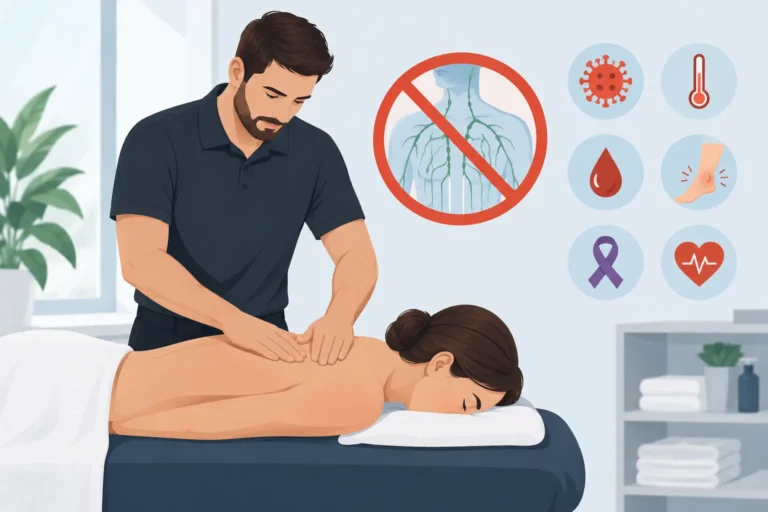
Massage is not a substitute for diagnosis when symptoms suggest an injury or medical condition. Seek prompt medical care for hip pain after a fall or accident, an inability to bear weight, obvious swelling or deformity, fever, redness or warmth around the joint, sudden severe pain, or numbness and weakness in the leg.
It is also wise to speak with a medical professional before massage if you have unexplained hip pain that continues to worsen, a history of blood clots, recent surgery, active cancer treatment, or a condition affecting bone health. If pain travels below the knee with tingling or weakness, a therapist can modify care, but a medical evaluation may be appropriate as well.
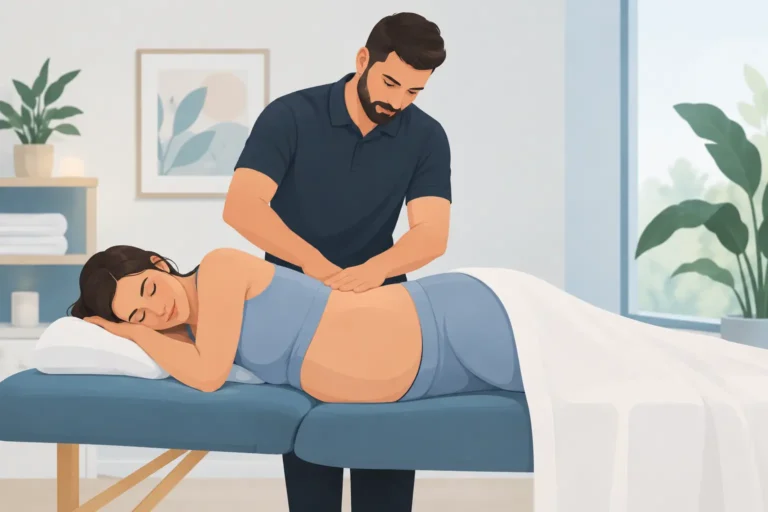
For prenatal clients, massage can be a supportive option for hip and low-back discomfort from the second trimester onward when there are no medical restrictions. Positioning is especially important. Side-lying support and pillows can relieve pressure while allowing the hips, glutes, and legs to be treated comfortably.
Getting More From Your Session
Try not to judge results only by how you feel as you leave the table. Some people experience immediate ease; others notice improved movement later that day or the next morning. Mild tenderness can occur after focused work, particularly in chronically tight muscles, but it should be manageable and short-lived.
Hydrate normally, take a short walk if it feels good, and avoid treating the appointment as permission to jump straight into a demanding workout. Notice which movements feel easier and which activities still provoke symptoms. That information helps shape the next session.
At Aleksei Therapeutic Bodywork, hip-focused treatment is adapted to the person in front of the therapist, whether the goal is getting through a pain-free workday, returning to exercise, recovering from a strain, or simply sleeping more comfortably. The best next step is a session that leaves you feeling heard, supported, and clearer about what your body needs.