Massage for Shoulder Mobility That Helps
Reaching for a seatbelt, lifting a bag into the car, or putting on a shirt should not require a careful workaround. Yet for many people, shoulder stiffness builds gradually through long desk days, repetitive training, old injuries, or protective habits after pain. Massage for shoulder mobility can help reduce the soft-tissue tension that limits comfortable movement, while giving you a clearer sense of what your body needs next.
At Aleksei Therapeutic Bodywork, the goal is not to force a tight shoulder into a bigger range of motion. It is to assess how you move, identify tissues that may be overworking or guarding, and use targeted massage techniques that support safer, more comfortable progress.
Why Shoulders Lose Mobility
The shoulder is designed for reach, rotation, and overhead movement. That freedom depends on coordination between the shoulder joint, shoulder blade, collarbone, upper back, neck, and surrounding muscles. When one area becomes restricted or irritated, another area often starts compensating.
A person who spends hours leaning toward a laptop may develop tension through the chest, upper trapezius, levator scapulae, and the muscles around the shoulder blade. An active adult may have a different pattern: a tight latissimus dorsi, overworked rotator cuff muscles, or soreness from pressing, throwing, swimming, or climbing. In both cases, the shoulder can feel stiff even when the primary source of the restriction is not directly at the front of the joint.
Pain also changes movement. If lifting the arm has hurt in the past, the body may begin to brace automatically. Muscles can stay active when they do not need to be, and the shoulder blade may stop rotating smoothly during reaching. This does not mean every restricted shoulder has a serious injury. It does mean that generic, one-size-fits-all massage is rarely the best answer.
How Massage for Shoulder Mobility Works
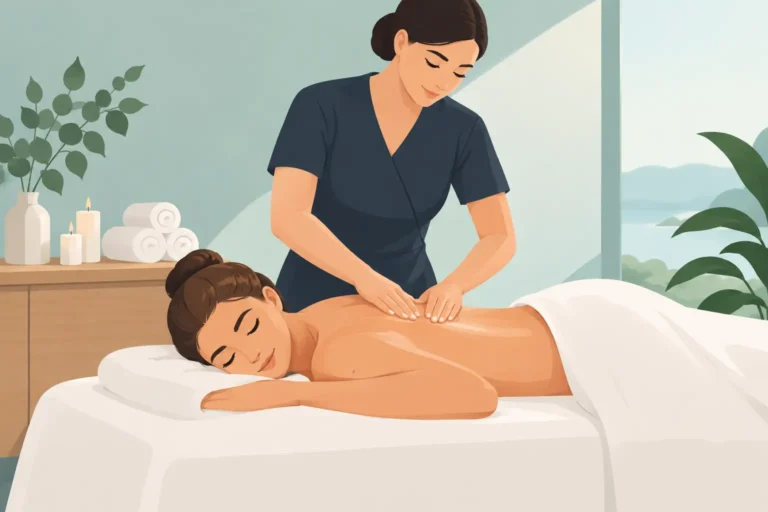
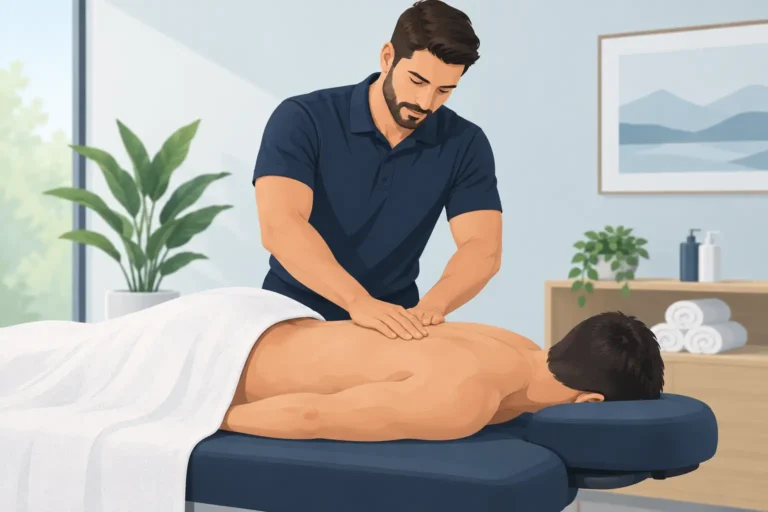
Therapeutic massage addresses the soft-tissue side of shoulder restriction. Depending on your symptoms and goals, treatment may focus on muscle tone, trigger points, fascia, circulation, and the way tissues respond as you move.
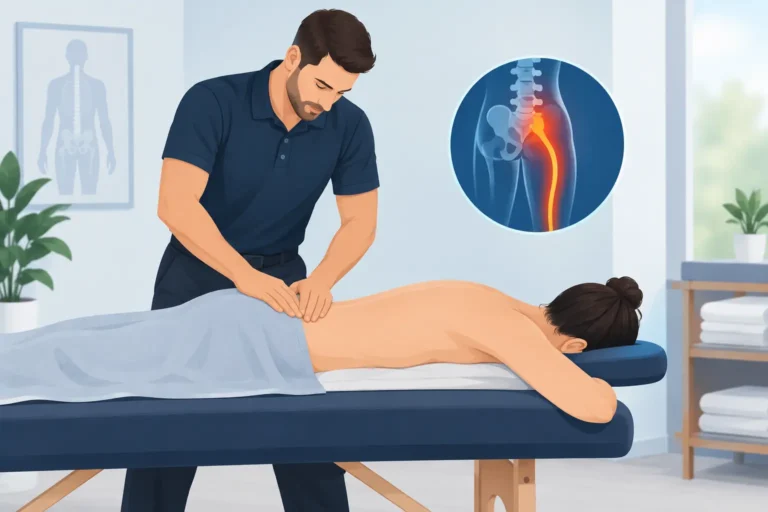
Neuromuscular massage can be especially useful when specific tender points refer discomfort into the shoulder, neck, arm, or upper back. For example, trigger points in the infraspinatus, subscapularis, pectoral muscles, or upper trapezius may contribute to pain with reaching or rotating the arm. Careful work can reduce local sensitivity and help the nervous system tolerate movement more comfortably.
Deep tissue techniques may be appropriate for persistent tightness in larger supporting muscles, such as the chest, lats, posterior shoulder, and upper back. However, deeper pressure is not automatically better. When a shoulder is already irritated, aggressive work can make it guard more. Pressure should be adapted to your response in real time, with clear communication throughout the session.
Massage can also support awareness. Many clients notice that they have been lifting one shoulder toward the ear, rounding forward, or holding their breath during reaching. Once those patterns are easier to feel, it becomes more practical to change them during work, exercise, driving, and sleep.
What a Personalized Session May Include
A productive appointment begins with questions, not assumptions. Your therapist should want to know when the limitation started, which motions feel difficult, whether there is pain at rest or at night, what training or work demands you have, and whether you have had surgery, imaging, physical therapy, or a previous injury.
Movement assessment may include simple observations such as how you lift your arm overhead, reach behind your back, turn your head, or rotate your upper body. These movements help reveal whether the shoulder itself seems limited or whether the neck, ribs, chest, or upper back may be contributing.
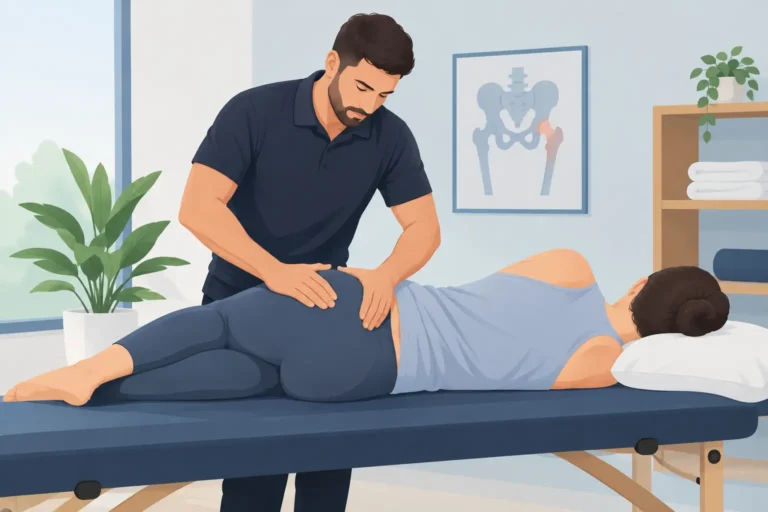
Treatment may involve the shoulder and upper arm, but it can also include the pectorals, rotator cuff region, shoulder blade muscles, neck, forearms, lats, and mid-back. The exact areas depend on your presentation. Someone with desk-related stiffness may benefit from focused chest and upper-back work, while a tennis player with pain during serving may need a different approach that considers the posterior shoulder, forearm, and movement demands of the sport.
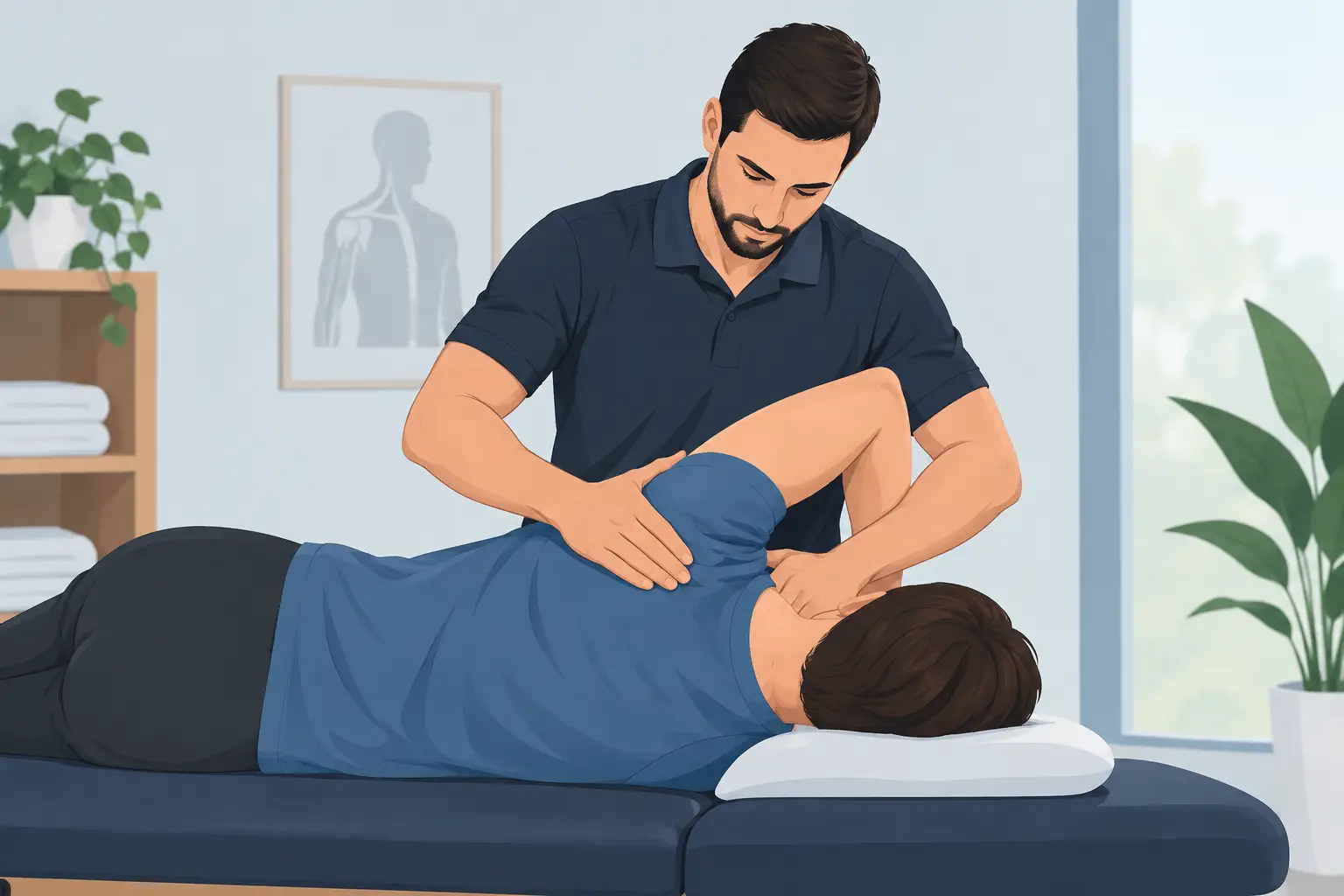
When appropriate, gentle assisted movement can be incorporated between massage techniques. This is not about pushing through pain. It is about checking whether the tissue work changes how a movement feels and helping your body practice a more relaxed motion.
When Massage Is a Good Fit and When It Is Not Enough
Massage is often a helpful part of care for muscular tightness, postural strain, stress-related bracing, training recovery, and movement restrictions that improve when tissues relax. It can also complement a plan from a physician or physical therapist when you are recovering from a known injury.
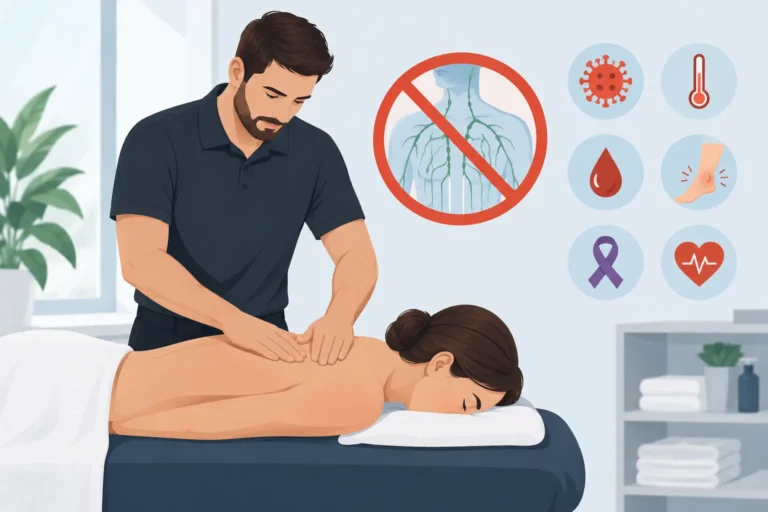
Still, shoulder pain is not always a soft-tissue issue. A sudden inability to raise the arm, significant weakness, visible deformity, numbness or tingling that persists down the arm, severe swelling, fever, chest pain, or pain after a fall should be evaluated promptly by a medical professional. New night pain that is intense or worsening also deserves attention.
If you have a rotator cuff tear, frozen shoulder, arthritis, instability, a recent dislocation, or are recovering from surgery, massage may still have a role, but timing and technique matter. Your treatment should respect medical guidance and your current stage of recovery. A thoughtful therapist will modify the session, avoid aggravating positions, and recommend medical or physical therapy follow-up when your symptoms suggest it is needed.
Getting Better Results Between Appointments
The relief from massage often lasts longer when daily demands are adjusted. You do not need an elaborate routine, but repeated small changes can make a meaningful difference.
After a session, give your shoulder a chance to use its easier range of motion. A few slow, comfortable shoulder circles, a walk with relaxed arm swing, or gentle reaching below the point of pain can help. Avoid testing your shoulder with heavy lifting immediately afterward simply because it feels looser.
At a desk, bring the screen closer to eye level when possible and let your elbows rest rather than reaching forward all day. During workouts, pay attention to form before adding load. If overhead work consistently pinches, it may be worth temporarily reducing the range, changing the exercise, or seeking an assessment instead of repeatedly working through the same discomfort.
Sleep position matters as well. Side sleepers may be more comfortable hugging a pillow to support the top arm, while back sleepers can try a small pillow or folded towel under the forearm if the shoulder feels pulled forward. The best position is the one that allows you to rest without waking from shoulder pain.
How Often Should You Schedule Massage?
Frequency depends on the cause and severity of your restriction, how your shoulder responds to treatment, and what you can realistically maintain. Acute muscle tension after a demanding week may respond well to one targeted session followed by home care. Long-standing stiffness, recurring trigger points, or a physically demanding job may benefit from a short series of sessions before moving to maintenance care.
The useful measure is not whether you feel temporarily loose on the table. Look for practical changes: easier reaching into a cabinet, less pain while driving, smoother workouts, fewer tension headaches, or less need to compensate with your neck. Those improvements help guide the next step in your care plan.
A shoulder does not need to be pushed to improve. With attentive assessment, targeted soft-tissue work, and movement that stays within your tolerance, massage can create a calmer starting point for the activities you want to return to. If your shoulder has been asking for attention every time you reach, carry, train, or rest, listening to that signal early can make the path forward much more comfortable.