When to Avoid Lymphatic Massage for Safety
A puffy ankle after a long flight, post-workout soreness, or a feeling of heaviness can make lymphatic work sound appealing. But knowing when to avoid lymphatic massage matters just as much as knowing when it may help. Manual Lymphatic Drainage (MLD) is gentle and highly specific, yet it still influences fluid movement and circulation. The right decision begins with a careful look at your health, current symptoms, and medical history.
At Aleksei Therapeutic Bodywork, treatment is never a one-size-fits-all routine. Before beginning MLD, your therapist should ask about recent illness, surgeries, medications, swelling patterns, and any medical diagnoses that could change whether treatment is appropriate that day.
What makes lymphatic massage different?
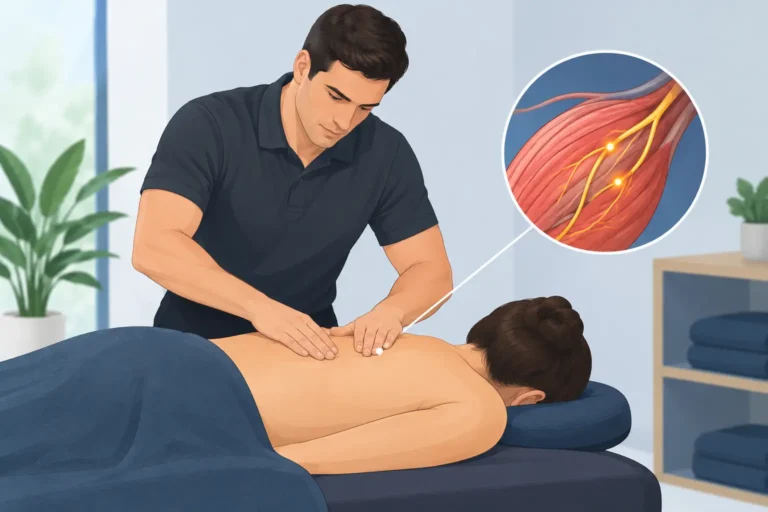
Manual Lymphatic Drainage is not deep tissue massage. Using light, rhythmic, skin-stretching techniques, a trained practitioner works in the direction of lymph flow to support the body’s natural fluid-processing function. The pressure is intentionally gentle because lymphatic vessels sit close to the surface of the skin.
People may seek MLD for temporary swelling, a heavy or congested feeling, relaxation, post-procedure support when medically approved, or as part of a broader wellness plan. Still, gentle does not mean universally appropriate. In some situations, moving fluid through the body may place unnecessary strain on an already compromised system or delay needed medical care.
When to avoid lymphatic massage completely
Certain conditions call for postponing MLD until a physician has evaluated the situation and cleared you for treatment. This is not about being overly cautious. It is about recognizing symptoms that need medical attention before bodywork.
Fever, active infection, or feeling acutely ill
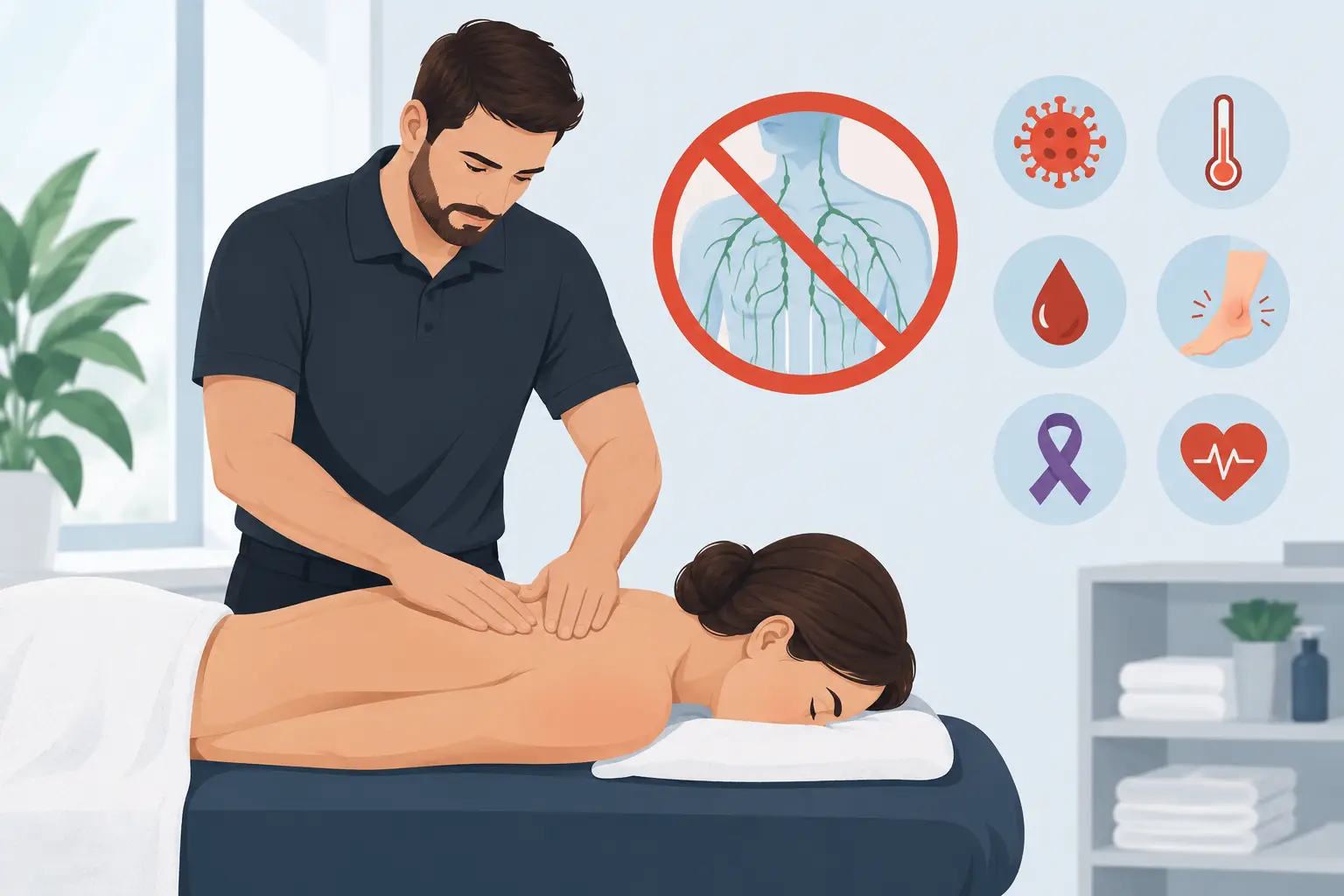
Avoid lymphatic massage if you have a fever, chills, a contagious illness, or signs of an active infection. This includes a suspected skin infection, such as an area that is hot, red, painful, and rapidly spreading. Cellulitis, in particular, requires prompt medical treatment.
Your lymphatic system is already part of the body’s immune response. Massage is not a treatment for infection and should not be used to “flush it out.” Rest, medical guidance, and appropriate treatment come first. Once you are well and no longer contagious, a therapist can reassess whether MLD is appropriate.
Suspected or confirmed blood clot
Do not receive lymphatic massage if you have a suspected or diagnosed deep vein thrombosis (DVT), a blood clot, or symptoms that could indicate one. One-sided leg swelling, new calf pain or tenderness, warmth, redness, sudden shortness of breath, chest pain, or coughing up blood require urgent medical evaluation.
Massage should never be used to work through unexplained one-sided swelling. Even though MLD uses light pressure, the priority is ruling out a vascular emergency, not testing whether touch makes the area feel better.
Uncontrolled heart failure or serious cardiac concerns
The body relies on the heart, kidneys, veins, and lymphatic system to manage fluid. With uncontrolled congestive heart failure, the body may already struggle to handle fluid volume. Moving additional fluid back into circulation can place added demand on the cardiovascular system.
If you have heart failure, a history of significant cardiac disease, or recent changes in breathing, fatigue, chest pressure, or swelling, speak with your physician before scheduling lymphatic work. Medical clearance may be appropriate for some clients, but it depends on the diagnosis and how stable the condition is.
Severe kidney disease or kidney failure
The kidneys help remove excess fluid and waste from the body. When kidney function is severely impaired, fluid retention needs medical management. MLD is not a substitute for that care and may not be appropriate without direct approval from the treating medical team.
New generalized swelling in the hands, feet, face, or abdomen also deserves medical evaluation, especially if it appears suddenly or is accompanied by changes in urination, unusual fatigue, or shortness of breath.
When to postpone and check with your provider
Some circumstances are not automatic no’s, but they do require a more individualized decision. A licensed massage therapist can adapt pressure and positioning, yet medical clearance may still be necessary.
After surgery or cosmetic procedures
MLD is often discussed after surgical procedures, including cosmetic surgery. Timing, technique, and treatment areas matter greatly. Early massage over an incision, drain site, graft, or healing tissue can interfere with recovery if done before your surgeon approves it.
Follow your surgeon’s post-operative instructions rather than a general timeline from social media or a friend’s experience. Ask whether MLD is recommended, when it can begin, whether compression garments should remain in place, and whether there are areas to avoid. A qualified therapist can then work within those boundaries.
Active cancer treatment or a cancer history
Cancer care is highly individual. Many people with a cancer history can safely receive massage, and MLD may be part of a medically directed lymphedema plan. However, active cancer, recent treatment, lymph node removal, radiation, ports, bone fragility, blood-count changes, and medication effects can all affect the approach.
Your oncology team is the best source for guidance about timing and precautions. Share that guidance with your massage therapist. The goal is not to avoid helpful care unnecessarily, but to provide it in a way that respects your medical plan.
Unexplained swelling
Swelling is a symptom, not a diagnosis. It can follow travel, heat, a demanding workout, pregnancy, an old injury, or prolonged sitting. It can also relate to circulation, medication side effects, hormonal shifts, infection, kidney or heart concerns, or a clot.
If swelling is new, persistent, painful, one-sided, or worsening, seek medical evaluation before booking. Once the cause is understood, MLD may or may not be part of an appropriate treatment plan.
Conditions that require a modified approach
A medical condition does not always mean you must avoid lymphatic massage. It may simply mean the session needs more planning, a lighter approach, or clearance from your provider.
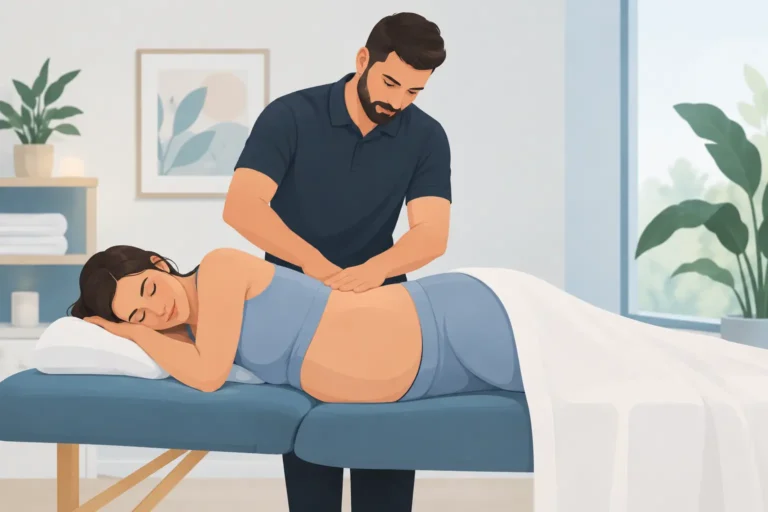
Pregnancy is a good example. Many expecting mothers can enjoy prenatal massage and gentle lymphatic techniques, particularly after the first trimester, when provided by a trained therapist. Yet sudden swelling, severe headache, vision changes, upper abdominal pain, or elevated blood pressure should be discussed with an obstetric provider right away rather than managed with massage.
Clients taking blood thinners, managing diabetes with reduced sensation, or living with vascular conditions should also disclose this information before treatment. The therapist may avoid certain areas, adjust positioning, or recommend medical input. Open communication protects your comfort and helps make the session useful rather than merely routine.
How to know whether it is the right day for MLD
A short pre-session check-in can prevent a poor treatment choice. Tell your therapist if you have recently been sick, started a new medication, had surgery, noticed swelling, or received a new diagnosis. Be specific about where symptoms occur, when they started, and whether they are changing.
During treatment, MLD should feel calm and comfortable, not painful or intensely pressurized. If you feel dizzy, short of breath, nauseated, unwell, or concerned about a symptom, say so immediately. A skilled therapist will pause, modify the session, or recommend that you contact your healthcare provider.
It is also reasonable to reschedule if you are dehydrated, exhausted from poor sleep, or recovering from a minor illness. A massage appointment should support recovery, not ask your body to do more than it can comfortably manage.
Safe care starts with an individualized assessment
The best lymphatic massage is not defined by how much pressure is used or how quickly a session is booked. It is defined by whether the treatment fits your body’s needs at that moment. For some clients, that means gentle MLD. For others, it means addressing muscular tension with neuromuscular massage, choosing relaxation-focused work, or waiting until medical questions are answered.
If you are unsure whether MLD is appropriate, bring your questions to the intake conversation and share any relevant guidance from your healthcare provider. Thoughtful, personalized care leaves room for the most valuable outcome: feeling supported, comfortable, and confident that your treatment choice is right for you.