Manual Lymphatic Drainage Dr. Vodder Explained
Persistent puffiness, a heavy feeling in the limbs, or swelling that lingers after travel, exercise, or a procedure can be frustrating. The manual lymphatic drainage Dr. Vodder developed is a specialized, gentle treatment designed to support the body’s natural lymph flow without the force or soreness people often associate with massage.
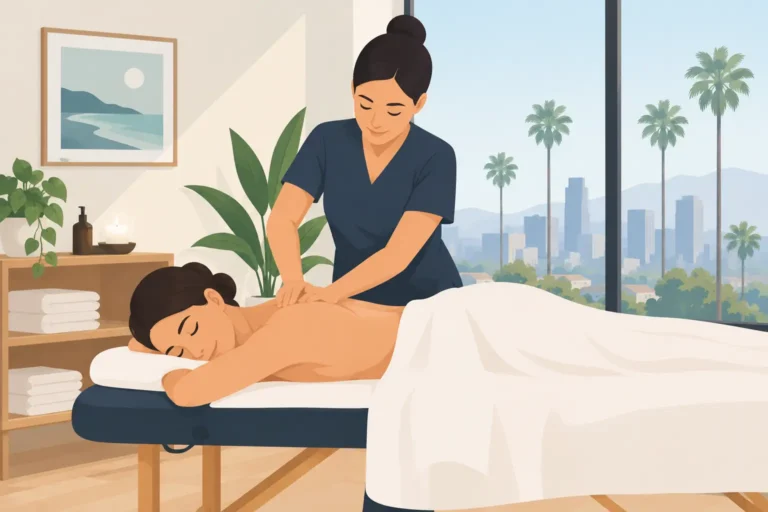
This is not a deep tissue session performed with a lighter touch. Manual Lymphatic Drainage, often called MLD, has its own pace, pressure, and purpose. For clients in Culver City, Playa Vista, and surrounding Los Angeles communities, it can be a helpful part of a personalized wellness or recovery plan when it is appropriate for their health history and goals.
What Makes the Dr. Vodder Method Different?
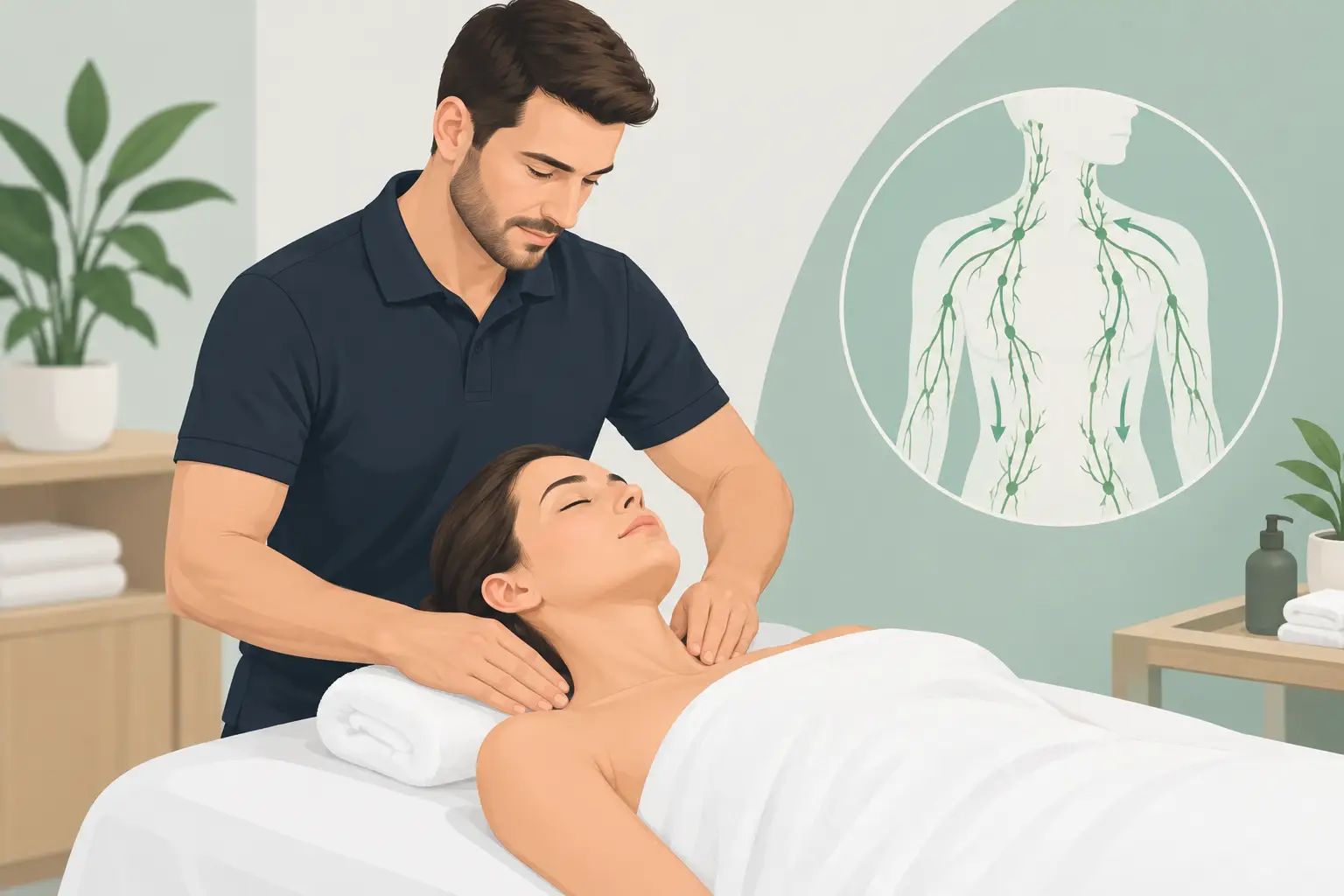
The lymphatic system is part of the body’s fluid-management and immune-support network. It helps move excess fluid, proteins, and cellular waste through lymph vessels and lymph nodes. Unlike the circulatory system, which has the heart to pump blood continuously, the lymphatic system relies partly on breathing, movement, muscle activity, and the natural contraction of lymph vessels.
Manual Lymphatic Drainage using the Dr. Vodder Method uses slow, rhythmic, skin-stretching movements to encourage this process. The pressure is intentionally light because many lymph vessels sit close to the surface of the skin. Pressing harder does not make the treatment more effective. In fact, deep pressure can work against the specific goal of MLD.
A session may feel surprisingly subtle at first, especially for someone accustomed to firm massage. Clients often describe the experience as calming, gentle, and deeply restful. The work is precise, however. Treatment is generally directed toward areas and pathways that can support fluid movement, rather than simply massaging the area that feels swollen or uncomfortable.
Gentle does not mean generic
The Dr. Vodder approach is structured, but your treatment should never be one-size-fits-all. A thoughtful session considers where you are experiencing discomfort, whether swelling is new or ongoing, your activity level, recent travel, surgery history, medication use, and any medical guidance you have received.
At Aleksei Therapeutic Bodywork, that conversation matters. Your comfort, symptoms, and response during the session help guide the pace and focus of care. If an area is tender or a technique does not feel right, feedback is always welcome.
When Manual Lymphatic Drainage May Be Helpful
MLD is often requested by people who feel puffy, heavy, or generally congested after long periods of sitting, travel, intense training, or disrupted routines. It may also be incorporated into recovery support when a medical provider has cleared massage after certain procedures or injuries.
Some clients seek this work for temporary swelling, a sense of fullness in the face or body, or a relaxation-focused treatment that does not leave their muscles feeling worked over. Others choose it when stress, sedentary work, and limited movement have left them feeling physically sluggish. A gentle session can be particularly appealing when the body needs support but deep pressure would feel overwhelming.
That said, the right outcome depends on the reason for the swelling. MLD can support comfort and circulation-related wellness, but it is not a substitute for medical assessment. Sudden, one-sided, painful, red, or unexplained swelling needs prompt medical attention rather than a massage appointment.
Lymphedema requires specialized coordination
People living with diagnosed lymphedema may benefit from Manual Lymphatic Drainage as part of a provider-directed plan, often alongside compression, movement, skin care, and medical monitoring. The appropriate approach depends on the stage and cause of the condition, including whether it is related to cancer treatment, lymph node removal, venous concerns, or another diagnosis.
If you have diagnosed lymphedema or are recovering from cancer-related treatment, work with your physician or lymphedema care team before scheduling. Massage therapy should complement, not replace, the clinical care plan recommended for you.
What to Expect During a Manual Lymphatic Drainage Dr. Vodder Session
Your appointment begins with questions, not assumptions. Before treatment, you may discuss your main concern, relevant health conditions, recent procedures, areas of swelling or sensitivity, and what you hope to feel afterward. This helps determine whether MLD is a suitable choice that day or whether another therapeutic approach, such as Swedish massage or targeted neuromuscular work, makes more sense.
During the treatment, you will be comfortably draped and positioned based on the areas being addressed. The work uses repetitive, circular, pumping, and sweeping movements. These techniques are quiet and measured rather than vigorous. Many people become so relaxed that they notice their breathing slow or drift off briefly.
Depending on your goals, the session may focus on the neck, abdomen, arms, legs, or other appropriate areas. Treatment does not need to be painful to be purposeful. You should not feel bruised, intensely sore, or depleted afterward.
Afterward, some clients notice they need to use the restroom more frequently, feel lighter, or experience a strong sense of calm. Others notice more subtle effects. Hydration, light movement, and avoiding an overly demanding workout immediately after the session can help you pay attention to how your body responds.
MLD Versus Deep Tissue Massage
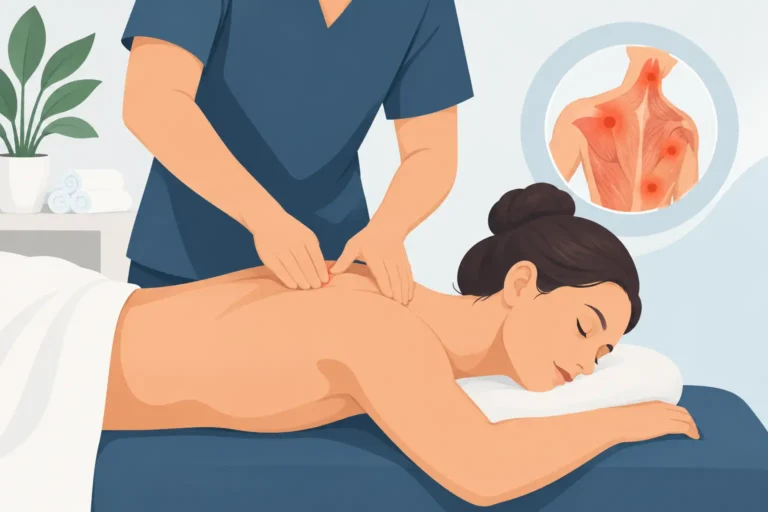
Both treatments can be valuable, but they solve different problems. Deep tissue and neuromuscular massage are commonly used to address muscular tension, trigger points, restricted fascia, and movement-related discomfort. They may be a better fit for the desk-related neck stiffness, shoulder tightness, or persistent back tension many clients experience.
Manual Lymphatic Drainage is not designed to release a tight muscle or work directly into a trigger point. Its lighter touch is intentional and is better suited to lymphatic support, relaxation, and situations where the body needs a gentler approach.
Sometimes a client benefits from one modality at a time. In other cases, a carefully planned treatment may include both lymphatic techniques and focused therapeutic massage in separate areas. The decision depends on your symptoms, recovery stage, sensitivity, and medical history. More pressure is not automatically better care.
When to Postpone Treatment or Speak With Your Provider
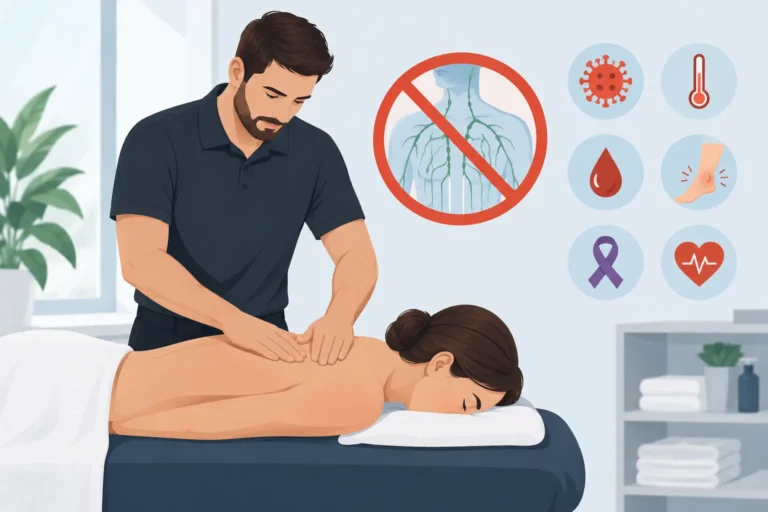
Safety comes first, particularly when swelling is involved. Manual Lymphatic Drainage may need to be postponed or cleared by a medical provider if you have an active infection, fever, untreated heart or kidney concerns, a suspected or known blood clot, uncontrolled medical symptoms, or newly unexplained swelling.
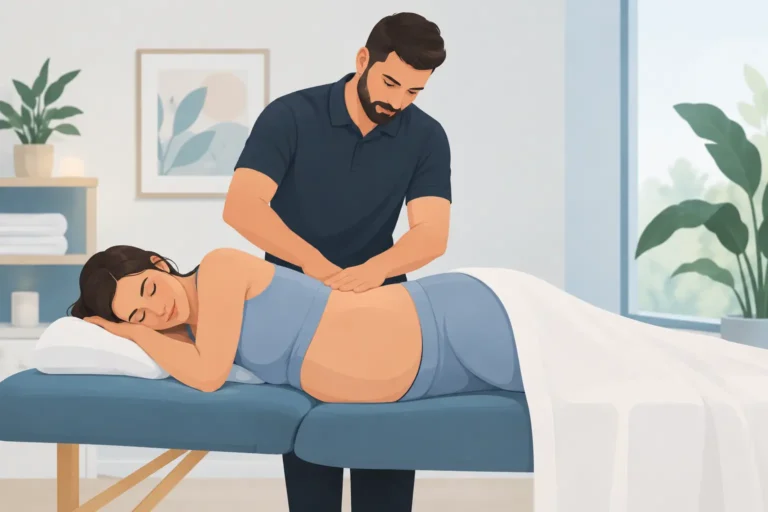
If you are healing after surgery, have a history of cancer treatment, are pregnant, or take medications that affect circulation or fluid balance, share that information before your appointment. Expecting mothers from the second trimester onward may be able to receive modified massage care, but positioning and techniques should always be adapted to their comfort and provider guidance.
A qualified massage therapist does not diagnose the cause of swelling. What they can do is listen carefully, recognize when referral is appropriate, and provide treatment within a safe, individualized scope of practice.
Getting More From Your Session
Come in with a clear sense of what has changed in your body. Has the swelling appeared suddenly? Is it worse at a certain time of day? Did it begin after a flight, a workout, a procedure, or a change in medication? These details make the intake more useful and help shape a treatment plan around your real life.
Wear comfortable clothing, arrive hydrated, and give yourself a little space after the session if possible. MLD is often most helpful when viewed as part of ongoing care that may also include regular walking, gentle mobility, adequate rest, compression when prescribed, and medical follow-up when needed.
The best treatment is the one that respects what your body is asking for right now. Whether you need targeted muscular work, quiet recovery support, or a gentler way to feel more comfortable in your body, an informed conversation before your session is a practical first step.