Trigger Point Massage Therapy for Lasting Relief
By the end of a workday, a tight spot at the top of the shoulder can feel like more than a tight spot. It may send discomfort into the neck, jaw, or head, make turning to check traffic uncomfortable, and leave you feeling as though stretching never quite reaches the problem. Trigger point massage therapy is designed for this kind of persistent muscular tension: sensitive areas in soft tissue that can contribute to pain, restricted movement, and compensation elsewhere in the body.
At Aleksei Therapeutic Bodywork, treatment begins with what you are actually experiencing. The location of pain matters, but so do your work posture, training routine, previous injuries, stress level, and the movements that aggravate or relieve symptoms. That context helps guide a session toward the tissues most likely to be involved, rather than applying the same pressure and sequence to every client.
What Is a Trigger Point?
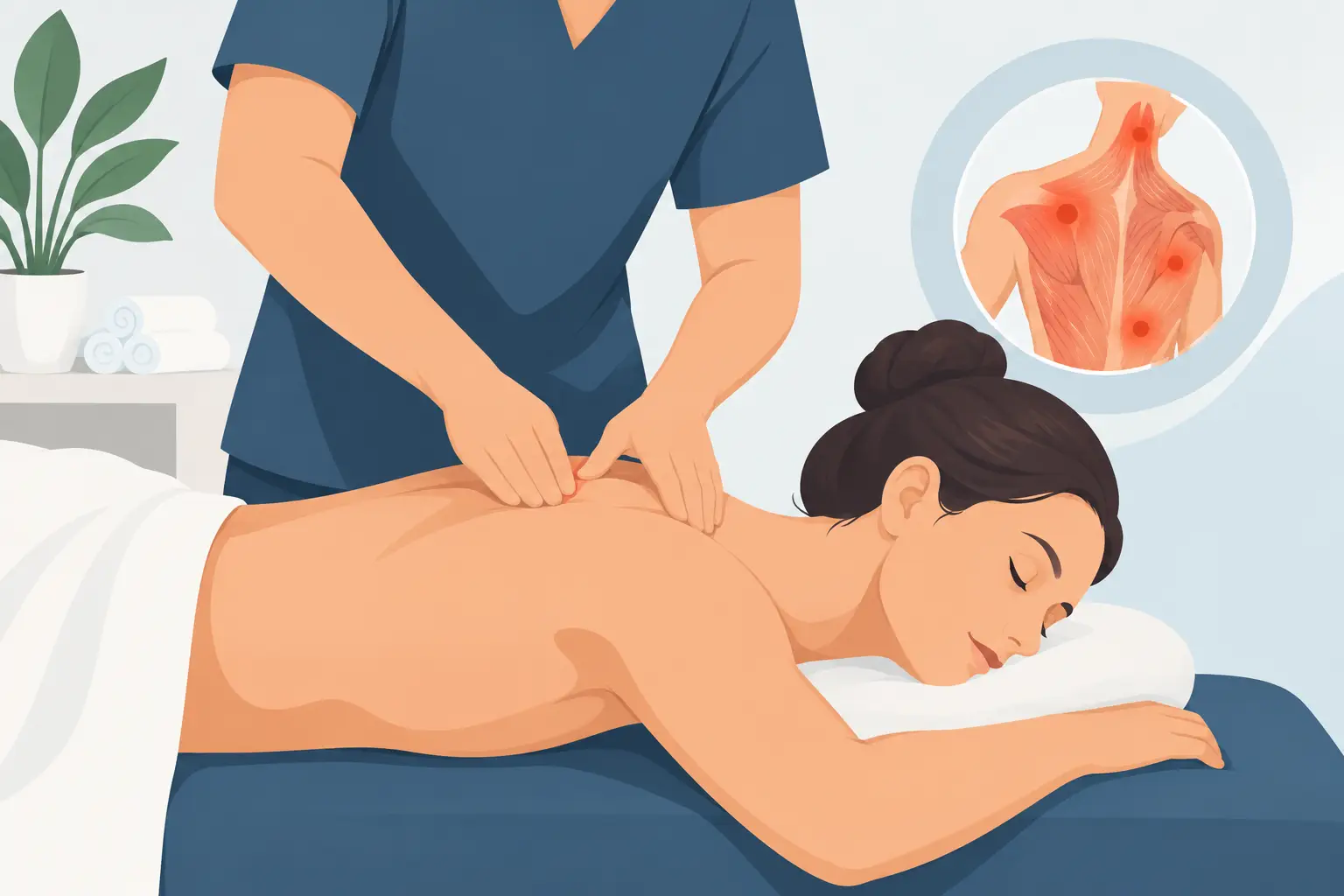
A trigger point is a highly sensitive, tight area within a muscle or its surrounding fascia. People often describe it as a knot, though the experience is usually more complex than one small lump that can simply be pressed away. The area may feel tender to touch, stiff during movement, or achy after activity. In some cases, pressure on it reproduces discomfort in another location. This is called referred pain.
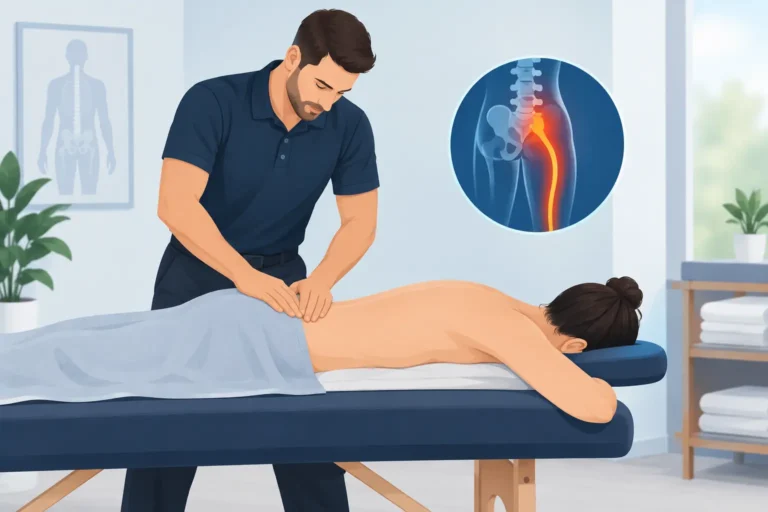
For example, trigger points around the upper trapezius and shoulder blade muscles may contribute to neck tension or a headache-like pattern. Areas in the glutes or hip rotators can sometimes be associated with discomfort down the leg. A tight calf may affect how the ankle moves during walking or running. These patterns vary from person to person, which is why an individualized assessment is more useful than chasing a painful spot alone.
Trigger points can develop when muscles work harder than they are prepared to handle. Long hours at a desk, repetitive lifting, a sudden increase in training, poor sleep, emotional stress, and recovery after injury can all play a part. They are also common when the body has been compensating for limited mobility in another area.
How Trigger Point Massage Therapy Works
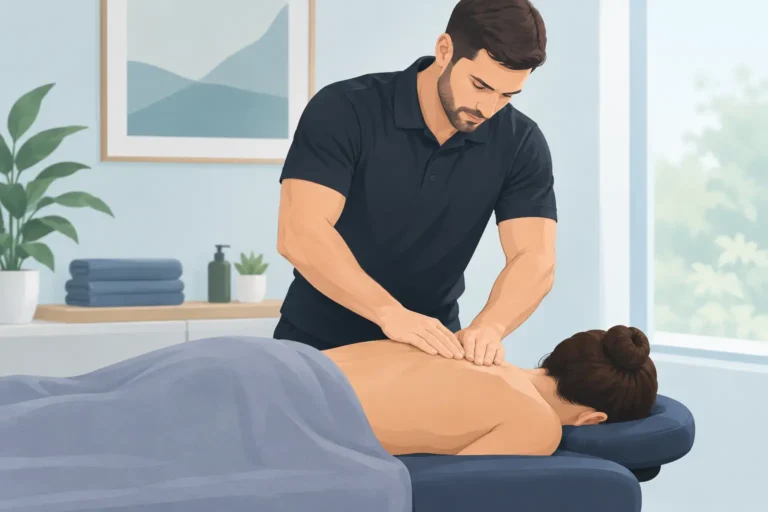
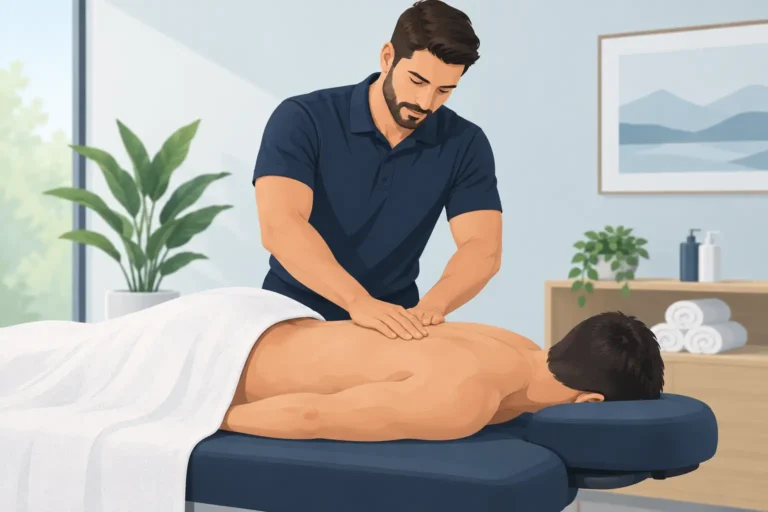
Trigger point massage therapy uses focused, gradual pressure and targeted soft-tissue techniques to address sensitive, overactive muscle areas. The goal is not to force the body to relax through intense pressure. The goal is to reduce guarding, improve tissue tolerance, and help restore more comfortable movement.
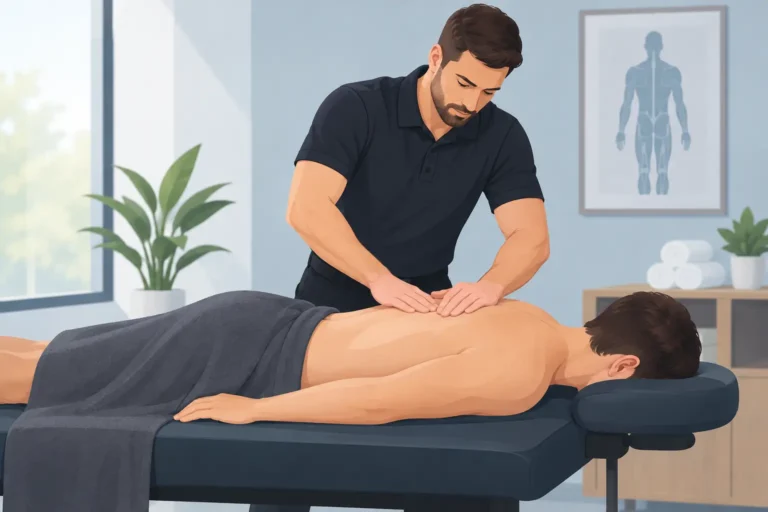
During treatment, your therapist may use sustained compression, slow deep-tissue strokes, neuromuscular massage techniques, or gentle movement of the involved joint. Pressure is adjusted continuously based on your feedback. A productive sensation may feel like a familiar ache or a tolerable intensity that eases as the tissue responds. Sharp, burning, numb, or escalating pain is not the goal and should be communicated right away.
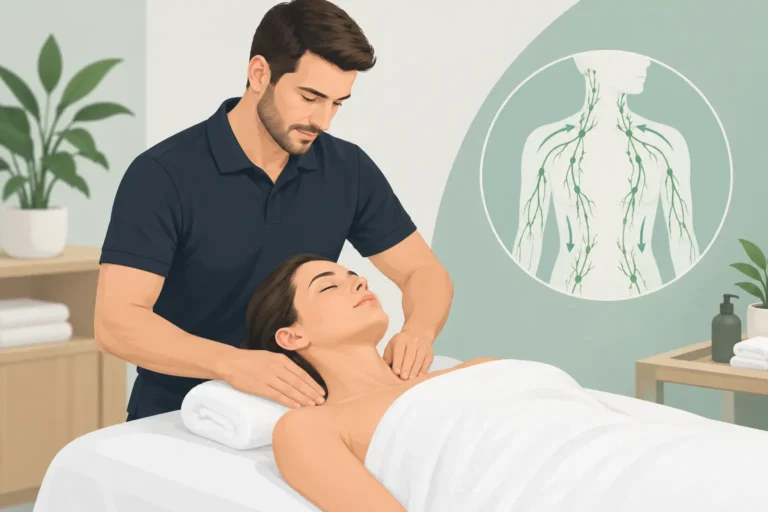
A session may also address neighboring muscles that are contributing to the pattern. If the front of the chest is pulling the shoulders forward, for instance, treating only the upper back may provide short-term relief without fully supporting a change in posture or shoulder mechanics. This root-cause approach is one reason targeted work can feel different from a standard full-body massage.
What You May Notice After a Session
Many clients notice that the treated area feels lighter, warmer, or easier to move immediately after massage. Others need a day or two to appreciate the change, especially when tension has been present for months. Mild tenderness can occur after deeper work, much like the sensation after an unfamiliar workout, but treatment should not leave you feeling bruised or significantly worse.
The best results often come from pairing treatment with practical changes between appointments. That may mean taking brief movement breaks during computer work, adjusting a training load, using a simple mobility exercise, or paying attention to the sleeping position that irritates your neck or hip. Your therapist can suggest appropriate aftercare based on the areas treated and your daily demands.
How long relief lasts depends on the underlying cause. A recent flare-up after a demanding workout may improve quickly. Persistent neck and shoulder tension connected to years of desk work, stress, and limited movement usually responds better to a treatment plan over several sessions. Progress is rarely about one dramatic release. More often, it looks like fewer flare-ups, easier range of motion, and a better ability to return to activities without guarding.
When Targeted Massage May Be a Good Fit
Trigger point work can be helpful for many common muscular concerns, including recurring neck and shoulder tightness, tension-related headaches, low back discomfort associated with muscle guarding, hip tightness, and training-related soreness. It can also support recovery when a muscle remains tense after an old injury has healed, provided the area is appropriate for massage and any relevant medical guidance has been considered.
It is not a replacement for medical diagnosis. New or severe pain, unexplained weakness, numbness, tingling, dizziness, fever, swelling, chest pain, or pain after a significant injury should be evaluated by an appropriate medical professional. Massage should also be postponed or modified when there is an active infection, acute inflammation, a blood clot concern, an unhealed fracture, or another condition that makes manual therapy unsuitable.
Pregnancy, recent surgery, medication use, and chronic health conditions do not automatically rule out massage, but they do change how a session should be planned. Expecting mothers can often receive comfortable prenatal massage from the second trimester onward, with positioning and pressure adapted for safety. Clear health information allows your therapist to make thoughtful adjustments.
Trigger Point Work Versus Deep Tissue Massage
These terms are often used interchangeably, but they are not exactly the same. Deep tissue massage refers broadly to techniques that work with deeper layers of muscle and fascia using slower, more deliberate pressure. Trigger point work is more specific. It focuses on sensitive areas and the pain or movement patterns connected to them.
A session can include both. You may benefit from focused trigger point techniques in the upper back, followed by broader deep tissue work through the chest, shoulders, and arms. Or your body may respond better to a lighter approach that combines neuromuscular techniques with Swedish massage. More pressure is not automatically better. The right amount is the amount that allows your body to respond without tensing against the work.
What to Expect at Your First Appointment
Your first session should feel collaborative. Before hands-on work begins, you will have an opportunity to discuss your primary concerns, relevant health history, daily activities, and goals. You might be asked which movements feel limited, where symptoms travel, whether discomfort changes with sitting or exercise, and what has helped in the past.
Treatment is then tailored to that information. You are always welcome to speak up about pressure, temperature, positioning, or discomfort. Communication is part of effective therapeutic massage, not an interruption to it. For in-home massage, the same attention applies, with a professional setup designed to make treatment convenient without making it feel rushed.
Wear comfortable clothing to your appointment and arrive hydrated, but do not feel that you need to prepare perfectly. Avoid scheduling a very intense workout immediately afterward if deeper work is planned. Give yourself a little room to notice how your body feels during the rest of the day.
A More Useful Measure Than “No Pain”
Pain relief matters, but it is not the only sign that treatment is helping. Pay attention to whether you can rotate your neck farther, reach overhead with less hesitation, sit through a meeting more comfortably, or return to a walk, run, or workout with less compensation. Those functional changes often tell a clearer story about progress.
Persistent muscle tension deserves more than a quick fix or a one-size-fits-all routine. With attentive assessment, appropriate pressure, and a plan that respects your comfort and goals, trigger point massage can become a practical part of feeling more at ease in your body.