Same Day Massage Culver City for Real Relief
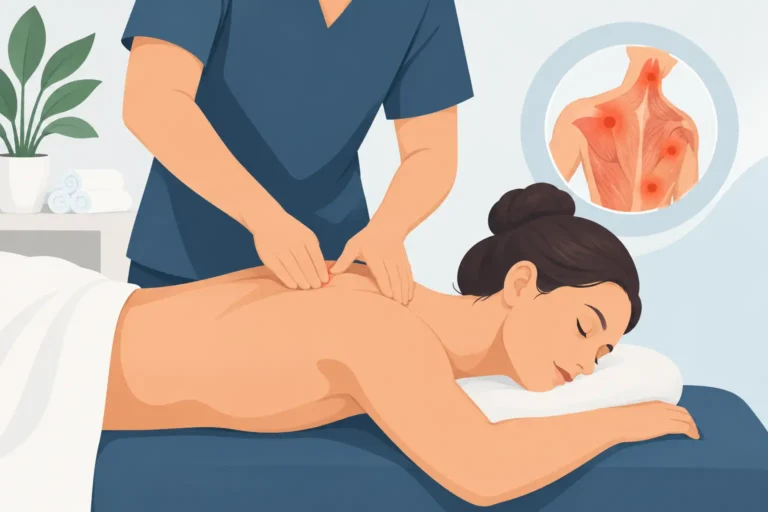
A stiff neck after back-to-back video calls, a low back that tightens after a long drive, or sore legs before an important event can make waiting until next week feel impractical. Same day massage Culver City appointments give you an opportunity to address what your body is dealing with now, with treatment adapted to your symptoms, schedule, and comfort level.
A last-minute massage does not need to mean a rushed or generic session. The most useful appointment begins with a brief conversation about where you feel discomfort, what may have triggered it, relevant health history, and what you need to be able to do afterward. For some clients, that means focused work to reduce stubborn shoulder tension. For others, it means a calming full-body session that helps them reset after a stressful week.
When same-day care can make a real difference
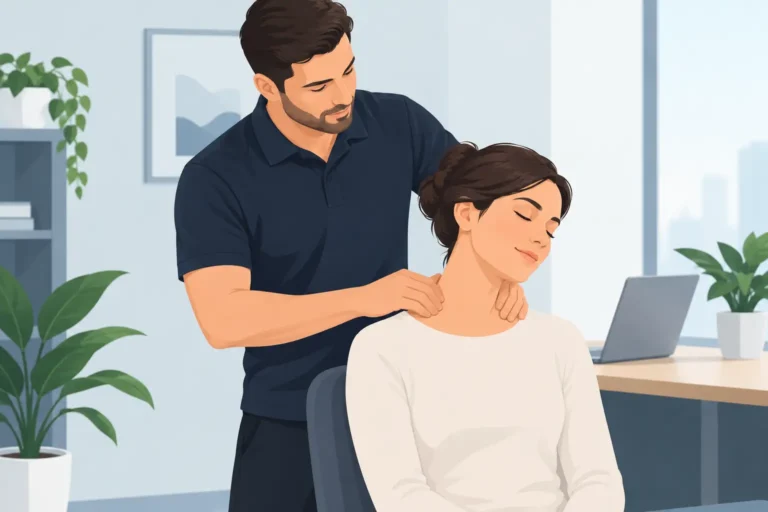
Muscle tension often builds quietly. Desk work can leave the chest and front of the shoulders shortened, while the upper back and neck work overtime to hold posture. Training can create temporary tightness in the hips, calves, or hamstrings. Even a poor night’s sleep can make your jaw, shoulders, and low back feel guarded the next day.
Massage can help when the issue is muscular tension, stress-related holding patterns, limited comfort with everyday movement, or the general soreness that follows activity. Targeted soft tissue work may improve circulation, reduce protective muscle guarding, and make it easier to move without feeling as restricted. The goal is not to force a muscle to relax. It is to work with the tissue at an appropriate pace so your nervous system can respond safely.
Same-day care is especially helpful when you have noticed a problem early and want to avoid compensating for it all week. A tight hip can change how you walk. A sore shoulder can lead you to brace through your neck. Addressing the source of strain may be more productive than repeatedly stretching an area that is already irritated.
That said, massage is not the right response to every kind of pain. Sudden severe pain, unexplained swelling, fever, chest pain, shortness of breath, new numbness or weakness, or a suspected fracture requires prompt medical evaluation. A qualified massage therapist should also modify or postpone treatment when there are contraindications, including certain acute injuries, infections, or vascular concerns.
What happens in a same day massage Culver City session
An effective session starts before hands-on work. Your therapist should ask about the location and quality of your symptoms, recent activity, prior injuries, medications or medical conditions that affect massage safety, and your preferred pressure. This assessment does not need to be lengthy, but it helps shape a treatment that makes sense for your body that day.
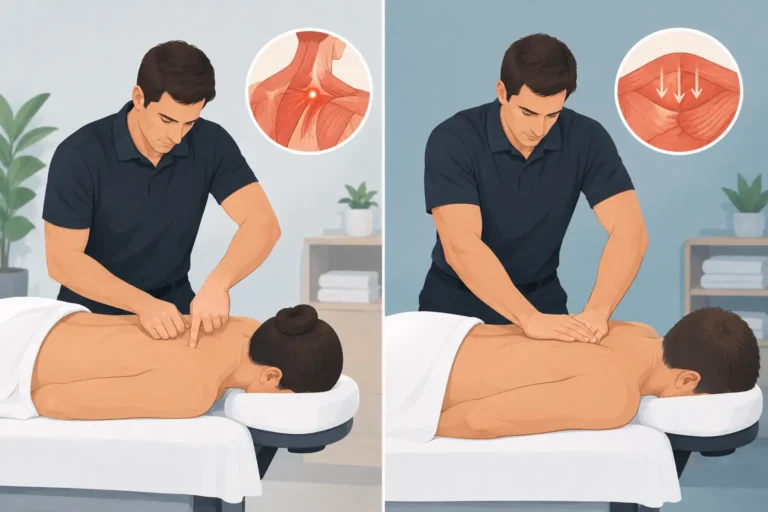
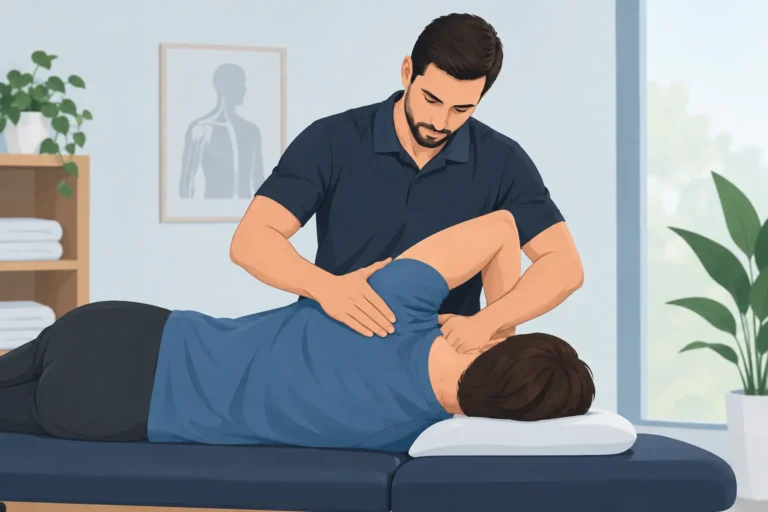
If your main concern is persistent tightness in the neck, shoulders, or low back, neuromuscular massage may be appropriate. This approach uses focused pressure and careful work around trigger points, fascia, and surrounding muscle groups that may be contributing to the discomfort. The tender spot is not always the root cause. For example, shoulder discomfort may be influenced by the chest, upper back, or the way the shoulder blade moves.
Deep tissue massage can be useful for chronic muscular tension and areas that feel dense or restricted. Deep does not have to mean painful. Excessive pressure can cause you to brace, making the session less effective and leaving you overly sore afterward. Productive therapeutic work is specific, communicative, and adjusted throughout the appointment.
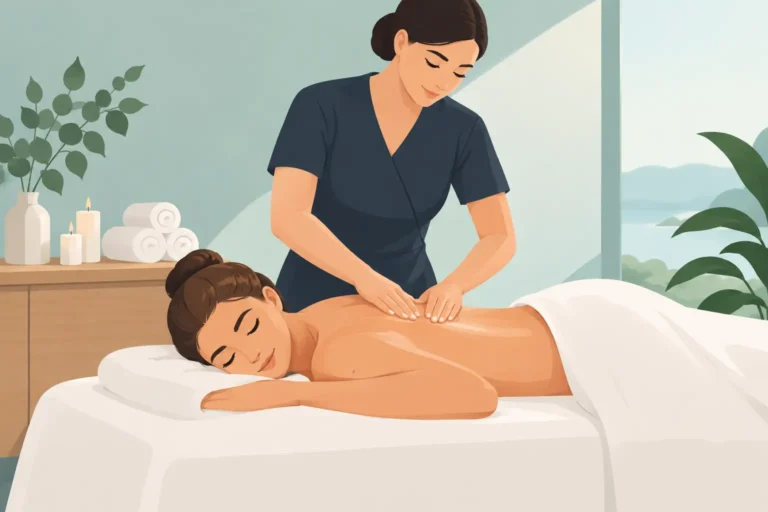
If stress and fatigue are the main issue, Swedish massage offers a lighter, more calming approach. It can still support circulation and ease muscle tension, but the pace is designed to help you settle rather than concentrate heavily on one problem area. Many people benefit from a blend of focused therapeutic work and relaxation techniques, especially when their pain is connected to stress.
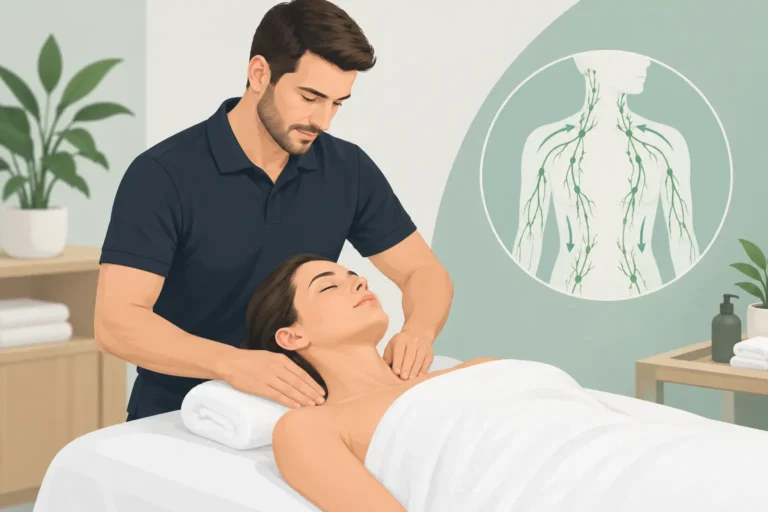
For eligible clients, Manual Lymphatic Drainage using the Dr. Vodder Method is a different type of treatment altogether. It uses gentle, rhythmic strokes to support lymphatic flow and is not a deep-pressure massage. This work may be considered for appropriate swelling-related concerns or post-procedure support when cleared by the client’s medical provider. A proper health screening is essential before scheduling this modality.
Choosing pressure based on your goal
The right pressure is the pressure that helps your body respond. If you are coming in after intense exercise, a moderately focused session may feel helpful, while very deep work immediately before a race, performance, or physically demanding shift may not be ideal. You want to leave feeling more mobile and grounded, not depleted.
For acute tightness after sitting, travel, or a stressful day, moderate pressure combined with slower work often creates more comfortable results than trying to “break up” every knot. If you have longstanding tension or an old injury pattern, your therapist may recommend a series of sessions rather than promising that one appointment will resolve it completely. Lasting change usually comes from consistent care, better movement habits, adequate recovery, and realistic treatment goals.
Pregnant clients can also benefit from same-day support when they are in the second trimester or beyond and have been cleared for prenatal massage. Side-lying positioning, bolsters, and adapted techniques help keep the session comfortable. Common concerns include hip discomfort, low back tension, leg fatigue, and the physical strain of changing posture. Any new or concerning pregnancy symptoms should be discussed with an obstetric provider first.
How to prepare without overthinking it
You do not need a complicated routine before a massage. Drink water as you normally would, eat a light meal if you are hungry, and wear clothing that is easy to change out of. Arriving a few minutes early gives you time to share relevant health information without cutting into hands-on treatment.
Be specific about your goal. Instead of simply saying, “My back hurts,” mention whether it is sharper when you bend, worse after sitting, concentrated on one side, or connected to a recent workout. Tell your therapist if you are sensitive to pressure, if an area has been injured before, or if you need to stay alert for work afterward. Clear feedback is part of good therapeutic care, not an interruption.
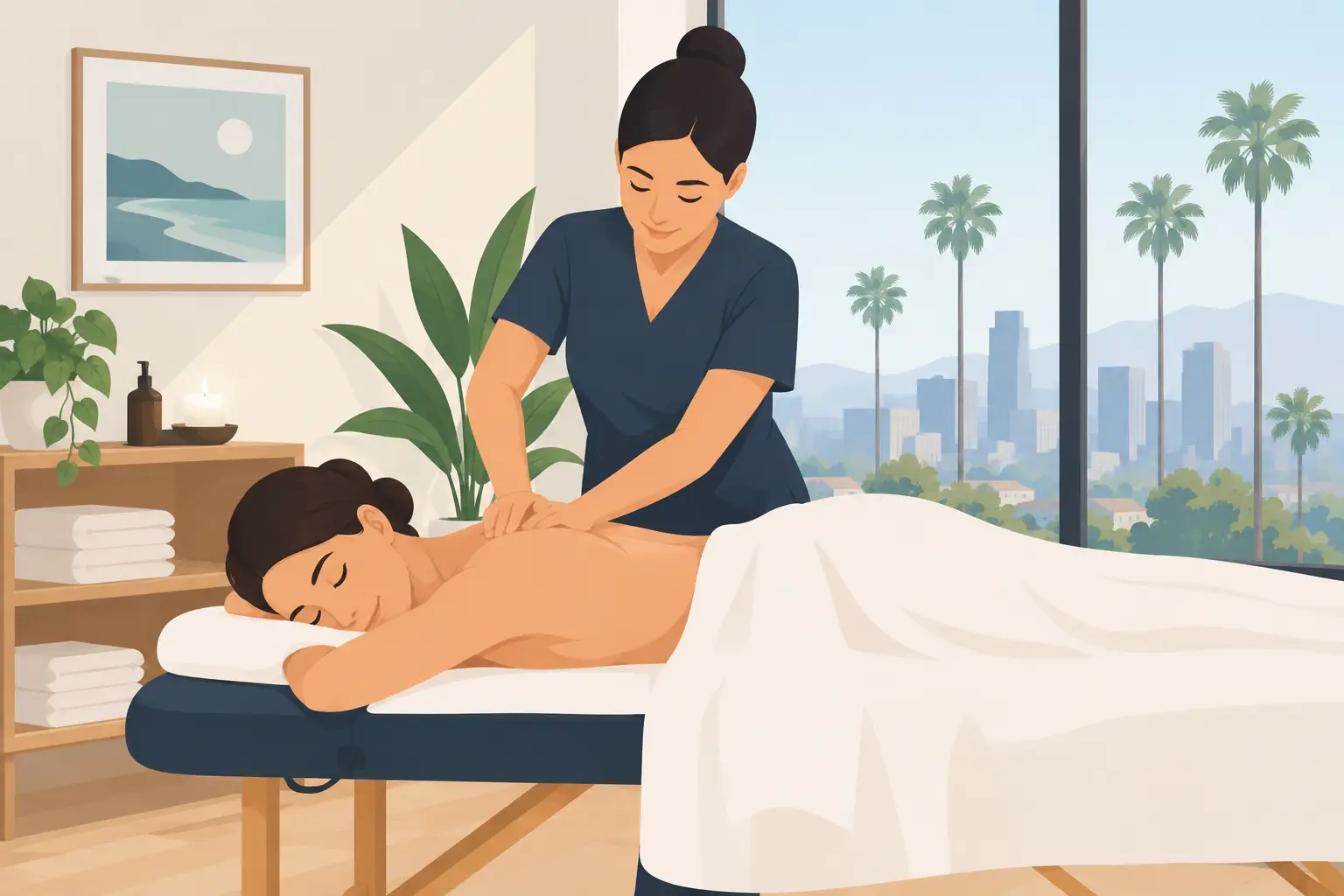
For a mobile in-home massage, create a clear area large enough for the massage table and choose a room where you can be warm and reasonably uninterrupted. In-home care can be especially valuable when driving across Los Angeles would add more stress to an already uncomfortable day.
What to do after your appointment
Most clients feel looser, calmer, or more aware of how their body is moving after treatment. Mild tenderness can happen after focused work, particularly when an area has been chronically tight. Gentle walking, normal hydration, and avoiding an unusually strenuous workout for the rest of the day can give your body time to respond.
Pay attention to what changes. Can you turn your head more freely? Does walking feel less guarded? Is the tension returning at the same time each day? These details help guide future care. A good massage plan is not based on pressure alone. It is based on whether treatment supports the activities that matter to you, from working comfortably at a desk to sleeping better, training with less restriction, or simply getting through the day with less pain.
At Aleksei Therapeutic Bodywork, same-day availability is designed to pair convenience with thoughtful, individualized treatment. When your body asks for attention, booking timely care can be a practical first step toward moving and feeling more like yourself.