Neuromuscular Versus Deep Tissue Massage
A knot between the shoulder blades, recurring low-back tightness, and a calf that never quite loosens after running can all feel like the same problem: tight muscles. Yet the most helpful treatment may not be the same. When clients ask about neuromuscular versus deep tissue massage, they are usually trying to answer a practical question: Which one is more likely to help me feel and move better?
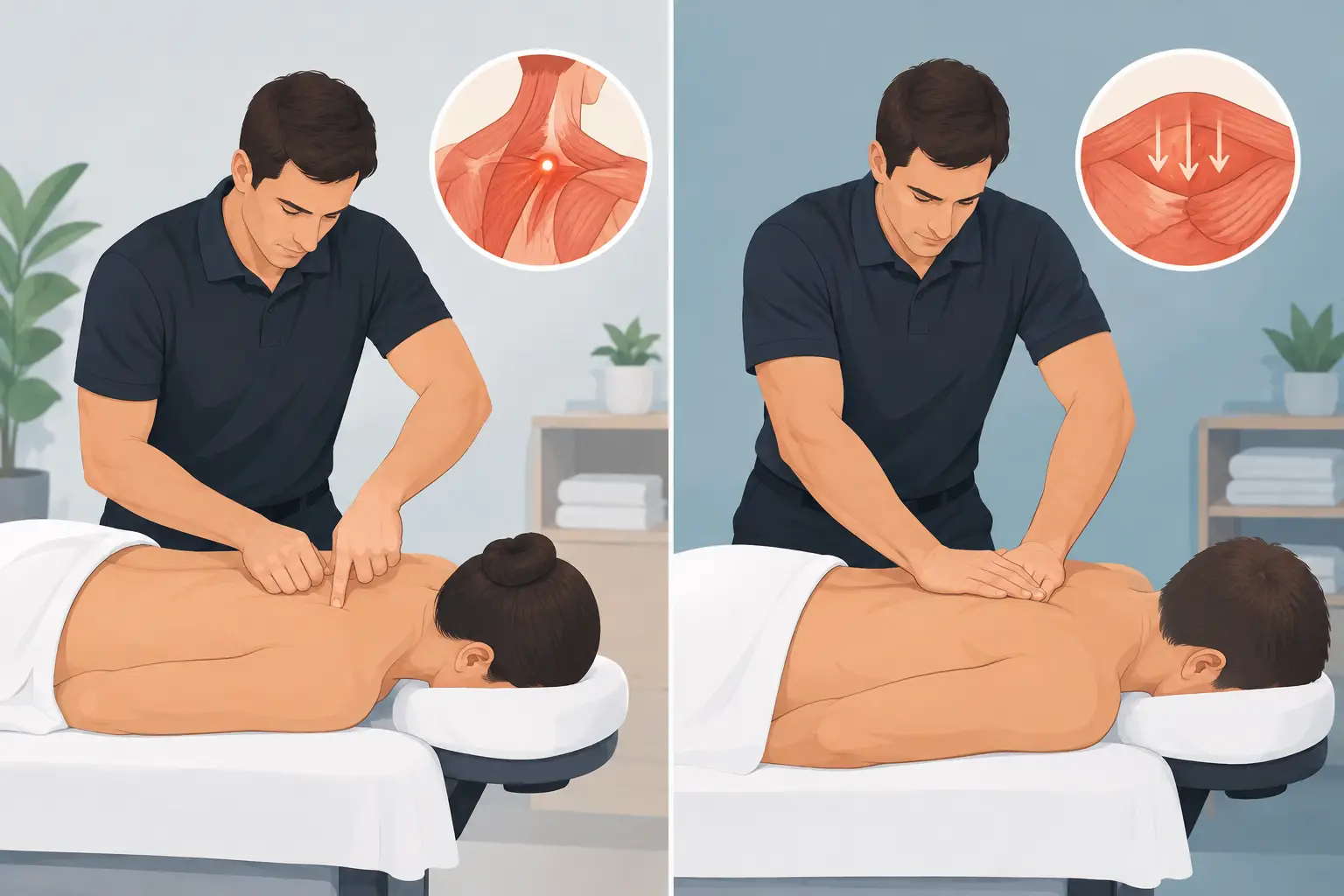
Both approaches can reduce muscular tension, support recovery, and provide meaningful relief. The difference is in how treatment is directed. Deep tissue massage generally works through broader layers of tight soft tissue. Neuromuscular massage is more targeted, using assessment and focused work to address trigger points and movement patterns that may be contributing to persistent pain.
Neuromuscular versus deep tissue massage: the main difference
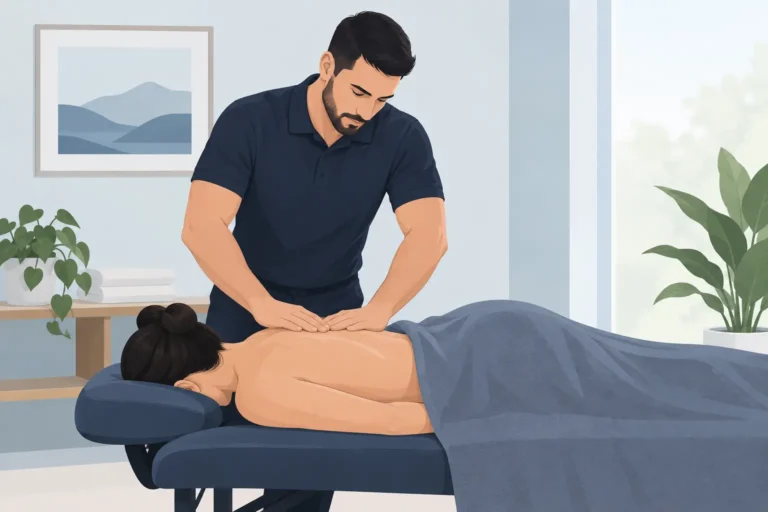
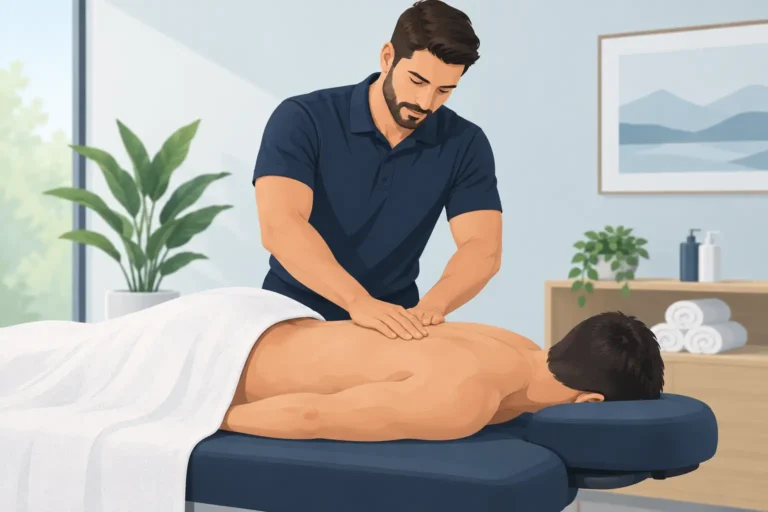
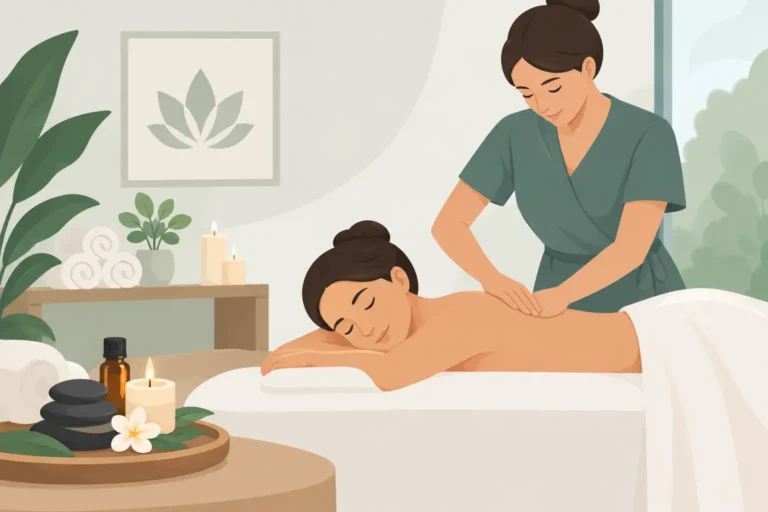
Deep tissue massage is a broad term for massage that uses slower, more deliberate pressure to reach deeper layers of muscle and fascia. It is often useful when an area feels generally dense, restricted, or overworked. A session may include long strokes, sustained compression, and focused work around larger muscle groups such as the upper back, hips, glutes, thighs, or calves.
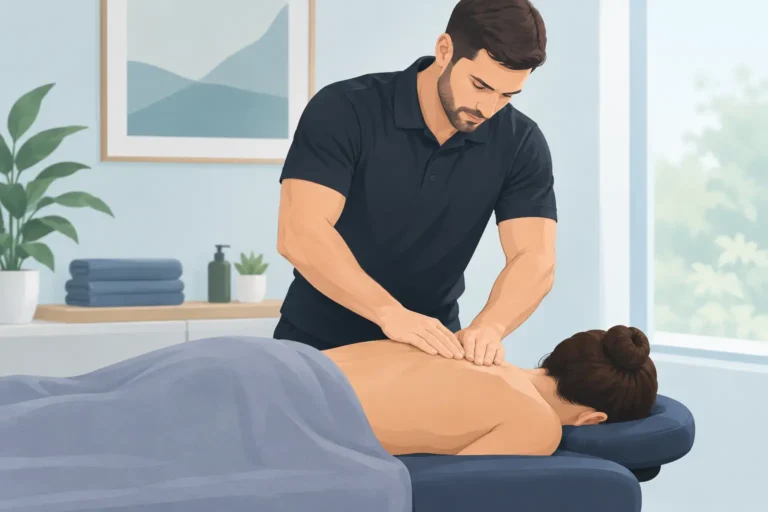
Neuromuscular massage is a more specific therapeutic approach. It focuses on the relationship between the nervous system and muscular function, particularly when trigger points, protective tension, or poor movement habits keep a painful pattern active. Rather than treating only the area that hurts, the practitioner looks for contributing tissues and compensations.
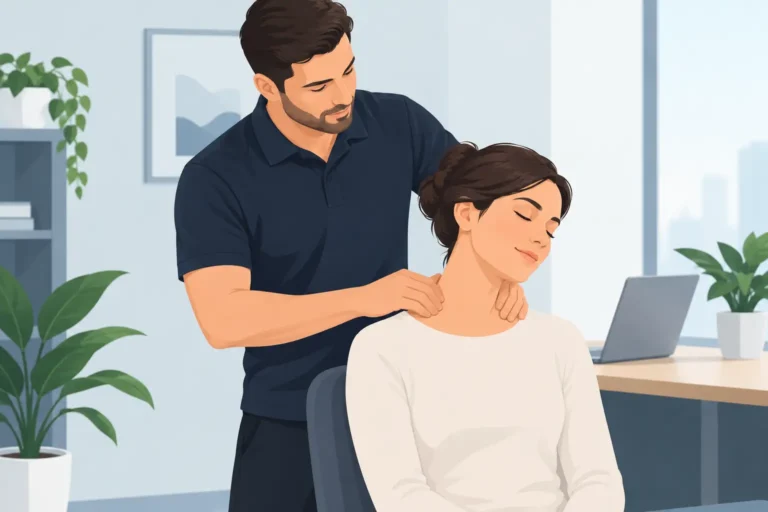
For example, neck pain may be connected to overactive upper trapezius muscles, but it can also be influenced by the chest, shoulder stabilizers, jaw tension, or hours spent leaning toward a screen. Neuromuscular work may involve careful pressure on a trigger point, followed by reassessment of comfort and range of motion. The goal is not simply to press harder. It is to make treatment more precise.
What deep tissue massage is best for
Deep tissue massage can be a strong fit when you feel widespread muscle tightness after demanding activity, prolonged sitting, travel, or stress. Many people choose it for the heavy, achy feeling that builds in the back, shoulders, hips, and legs.
Pressure is often firm, but effective deep tissue massage should not feel like a test of endurance. Some tenderness can be expected when working on sensitive, tight tissue. Sharp pain, holding your breath, bracing against the table, or lingering soreness that disrupts daily life are signs that the pressure may be too much. More pressure does not automatically create better results.
A skilled session adjusts to the person in front of the therapist. Some clients benefit from gradual, moderate pressure that allows the tissue to relax. Others may need targeted firm work in a few areas while the rest of the session remains calming and restorative. The right intensity depends on your health history, current sensitivity, stress level, and goals for the appointment.
Deep tissue work may be especially helpful if your main concern is generalized tightness rather than one stubborn, repeatable pain pattern. It can also complement an active recovery plan by helping you feel less restricted before returning to normal movement.
When neuromuscular massage may be the better choice
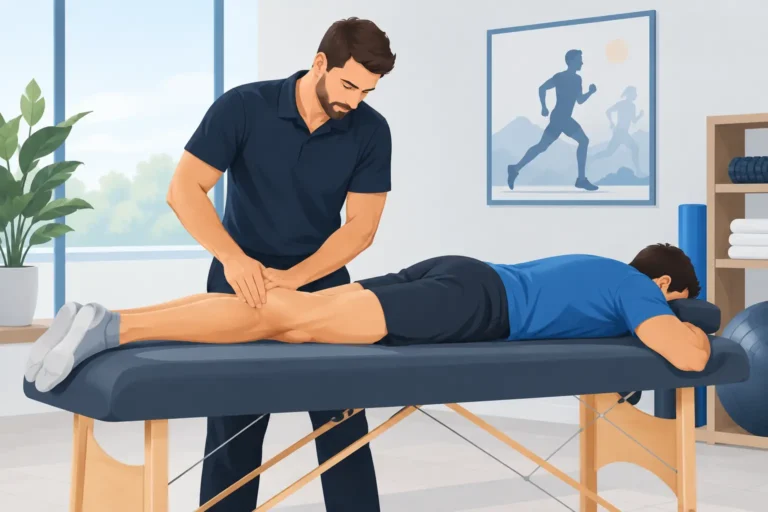
Neuromuscular massage is often appropriate when discomfort keeps returning in the same place, when pain seems to travel or refer into another area, or when a movement limitation has not improved with general massage alone. Common concerns include recurring headaches linked to neck and shoulder tension, desk-related upper-back discomfort, low-back pain connected to hip tightness, and persistent glute, hamstring, or calf tension.
Trigger points are one reason this approach can be useful. A trigger point is a sensitive spot in muscle or fascia that may create pain locally or refer it elsewhere. For instance, a trigger point around the shoulder can sometimes contribute to discomfort that feels like it is coming from the arm or neck. Treating the painful area alone may offer temporary relief, while addressing the contributing tissue may produce a more lasting change.
Neuromuscular treatment is not necessarily intense from start to finish. It may include focused, sustained pressure, but it also relies on pacing, feedback, and reassessment. You might be asked whether a familiar sensation is reproduced, whether pressure feels productive or too sharp, or whether movement feels different after a specific area is addressed.
This makes neuromuscular massage a practical option for clients who want a more assessment-based session. It is particularly useful when your goal is to understand why a pattern keeps returning, not just to feel looser for a day or two.
Pressure is not the deciding factor
Many people assume the choice comes down to whether they want light or deep pressure. In reality, both modalities can be adapted. Deep tissue massage can be thoughtful and moderate. Neuromuscular massage can include firm work, yet it may feel highly localized rather than broadly intense.
A better question is: What are you hoping to change? If your whole body feels compressed after a stressful month or hard training block, deeper broad-based work may be appropriate. If you have a specific spot that repeatedly limits turning your head, reaching overhead, squatting, or walking comfortably, a neuromuscular approach may offer a clearer starting point.
The most effective sessions often blend techniques. A therapist may use deep tissue methods to warm and ease a restricted region, then use neuromuscular techniques to address a trigger point or compensation pattern. Treatment does not need to fit into a rigid category when your body needs a more individualized plan.
What to expect during your appointment
A therapeutic massage should begin before hands-on work starts. Your practitioner should ask about your symptoms, relevant injuries, daily routines, activity level, medical considerations, and what you want from the session. This conversation helps determine whether deep tissue, neuromuscular work, or a combination makes sense.
During treatment, communication matters. Let your therapist know if pressure is too sharp, if you feel numbness or tingling, if a position is uncomfortable, or if a technique creates a sensation that feels wrong. Productive therapeutic work can be intense at times, but it should remain within a level your body can tolerate without guarding.
After the session, you may notice improved ease of movement, less tension, or a temporary awareness in areas that were treated. Mild soreness can occur, especially after deeper work on chronically tight muscles. Gentle movement, normal hydration, and avoiding an immediate all-out workout may help you gauge how your body responds. If soreness is severe or lasts longer than expected, tell your therapist before your next visit so the plan can be adjusted.
Choosing based on your goals
Consider deep tissue massage if you want support for broad muscle tightness, post-workout stiffness, or the physical effects of prolonged stress. Consider neuromuscular massage if you are managing recurring trigger-point pain, restricted motion, or a problem that seems to return despite stretching and general massage.
There are also times when massage should be modified or postponed. Acute injuries, unexplained swelling, fever, skin infections, blood clot concerns, recent surgery, certain medications, and some medical conditions require extra caution or clearance from a medical provider. Massage therapy can be an excellent part of a wellness or recovery plan, but it does not replace medical evaluation for sudden, severe, worsening, or unexplained symptoms.
At Aleksei Therapeutic Bodywork, treatment begins with your history and your goals rather than a preset sequence. A desk-bound professional with shoulder pain, an active client with a stubborn hip restriction, and someone seeking stress relief may all benefit from different techniques and different levels of pressure.
The best choice is the one that helps you feel safer, more comfortable, and more capable in your everyday movement. Start with the pattern you notice most, share it clearly, and allow the treatment plan to be shaped around your body rather than a label on the menu.