Therapeutic Massage Treatment Guide for Relief
A therapeutic massage treatment guide should begin with what your body is actually asking for, not with a one-size-fits-all menu of massage styles. A tight neck after long days at a desk, a low back that feels guarded after an old injury, and sore legs after training may all feel like “tension,” but they do not always need the same approach. The most useful massage is the one that considers your symptoms, health history, comfort level, daily demands, and goals for relief.
What therapeutic massage is designed to do
Therapeutic massage is focused, purposeful bodywork intended to help reduce muscular discomfort, improve comfort with movement, support recovery, and ease the physical effects of stress. It is different from a standardized relaxation massage because the session is adapted to what is happening in your body that day.
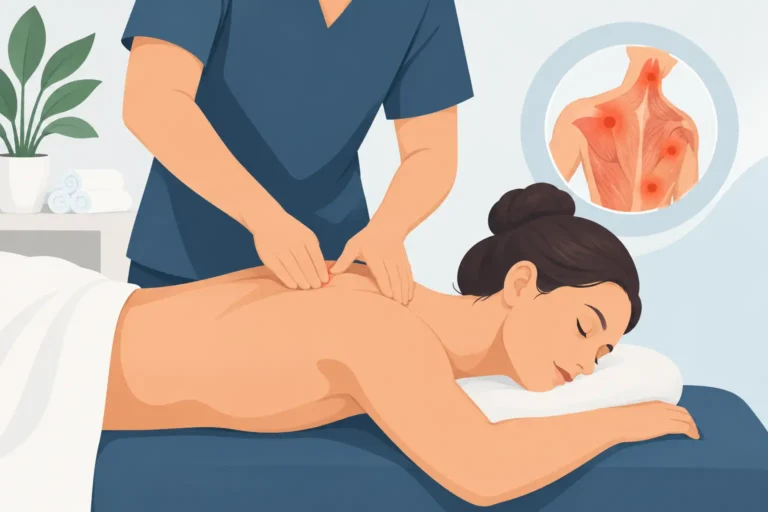
That may involve working with soft tissue in the neck and shoulders for computer-related strain, addressing trigger points that refer discomfort into the head or arm, or using slower techniques around restricted hip and leg muscles. The goal is not to make every area feel equally intense. It is to work thoughtfully enough that your body can respond well during the session and afterward.
Massage can be a valuable part of managing chronic tension, overuse patterns, and stress-related muscle guarding. It is not a replacement for medical diagnosis or treatment. New, severe, unexplained, or worsening pain should be evaluated by an appropriate medical professional, particularly when it follows an accident, surgery, or illness.
Therapeutic massage treatment guide: choosing an approach
The right modality depends on your needs, your preferences, and any health considerations. A skilled therapist may use elements from more than one style in the same appointment rather than treating each modality as a rigid category.
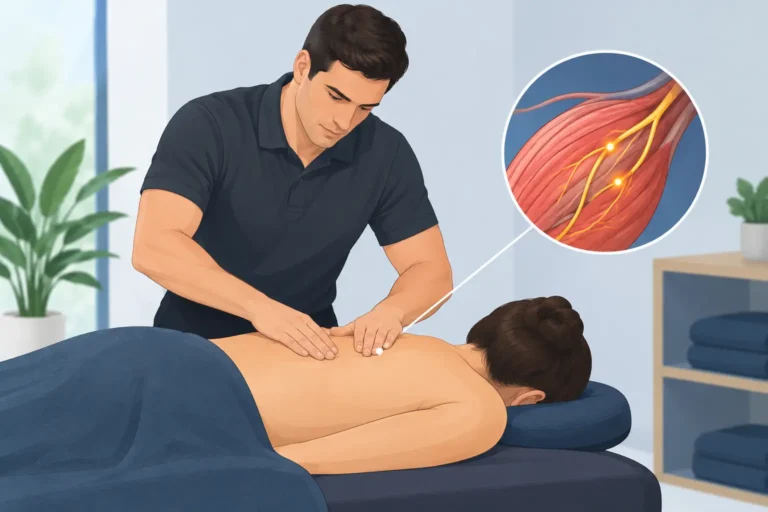
Neuromuscular massage for persistent pain patterns
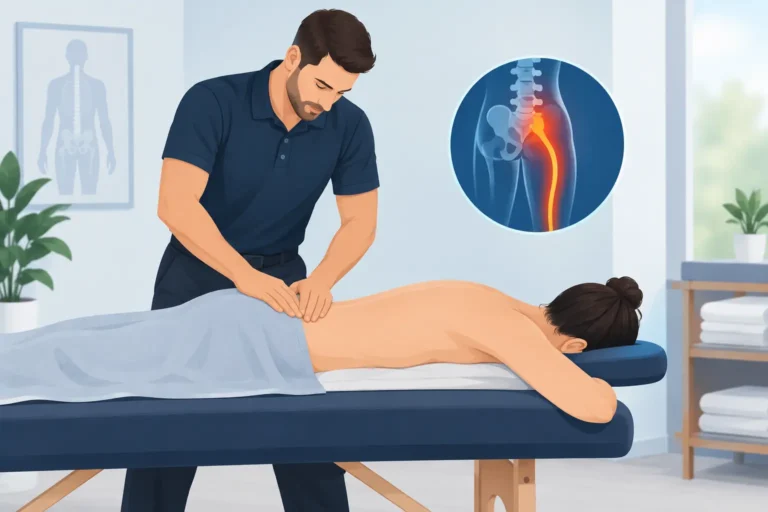
Neuromuscular massage is often useful when discomfort keeps returning in the same place or seems to travel. For example, shoulder pain may be connected to tight tissue in the chest, neck, upper back, or rotator cuff area. Low back discomfort may be influenced by the hips, glutes, and leg muscles.
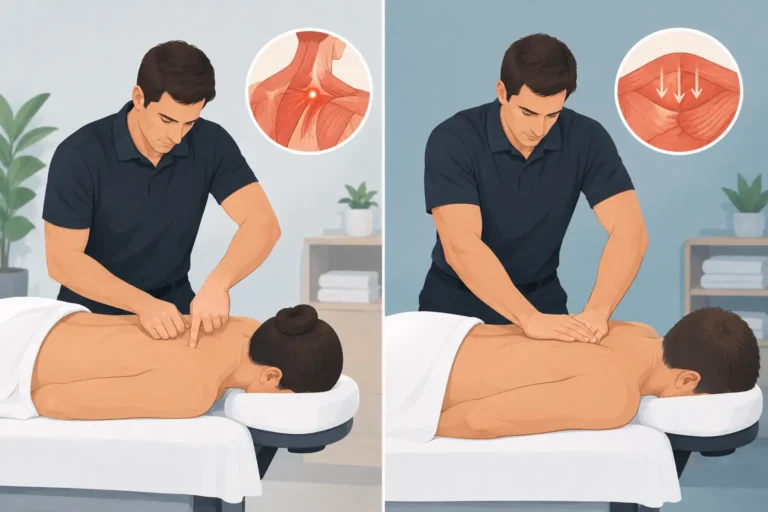
This approach uses careful assessment and targeted work with trigger points, muscle attachments, and fascia. Pressure may be sustained briefly in a focused area, then followed by broader massage or movement. Communication matters here. Productive work should feel specific and manageable, not like you need to brace against it.
Deep tissue massage for long-standing tightness
Deep tissue massage uses slower, more focused pressure to address deeper layers of muscle and connective tissue. It can be appropriate for people dealing with chronic stiffness, repetitive postural strain, or training-related tightness.
Deep tissue does not mean painful tissue work. More force is not automatically more effective, especially when a muscle is already protective or irritated. The most effective pressure is often gradual and responsive, allowing the body to soften rather than defend itself. If you are new to massage, sensitive to pressure, or recovering from a recent flare-up, a lighter starting point may be the better choice.
Swedish massage for stress and full-body reset
Swedish massage uses flowing strokes, kneading, and comfortable pressure to promote relaxation and circulation. It can be a good fit when stress, poor sleep, or generalized tension is leaving your whole body feeling worn down.
Relaxation is not separate from therapeutic care. When the nervous system is under constant demand, muscles can remain guarded even without a specific injury. A calmer, restorative session can help many clients feel less tense and more aware of where their body needs support.
Manual Lymphatic Drainage for gentle support
Manual Lymphatic Drainage, including the Dr. Vodder Method, uses very light, rhythmic techniques intended to support lymphatic flow. It is not a deep-pressure service and should not feel like traditional massage.
This modality may be considered for clients seeking gentle support for swelling or a sense of heaviness, but it is not appropriate in every circumstance. Certain conditions, including active infection, some cardiovascular concerns, kidney issues, or blood clots, require medical guidance first. A clear health intake helps determine whether lymphatic work is suitable and whether physician clearance is needed.
Prenatal massage for changing comfort needs
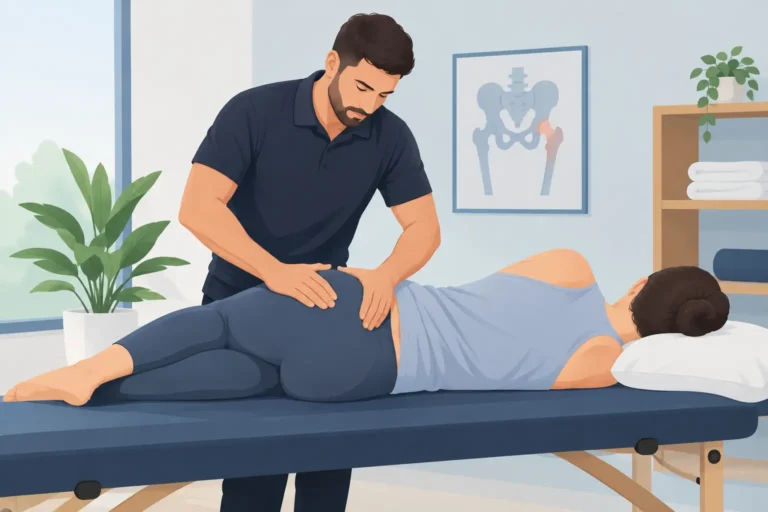
Prenatal massage can help expecting mothers from the second trimester onward manage common discomforts such as back tension, hip tightness, leg fatigue, and shoulder strain. Positioning, bolstering, pressure, and session pacing should all be adjusted for comfort and safety.
Prenatal care is never about pushing through discomfort. Your therapist should ask about your pregnancy, symptoms, and provider guidance, then create a supportive setup that allows you to rest comfortably.
What happens in a personalized session
A good therapeutic appointment starts before hands-on work begins. Your therapist should ask about the location and history of your symptoms, activities that make them better or worse, past injuries, current medications, and your goals for the session. This conversation helps identify whether massage is appropriate and where treatment should begin.
You may also be asked about your work setup, exercise routine, sleep position, stress level, or recent changes in activity. These details are practical clues. A shoulder that tightens every afternoon may point toward desk posture and work habits; calf tightness after a new running program may call for a different approach than pain after a sudden misstep.
During the massage, feedback is part of the treatment. Let your therapist know if pressure feels too sharp, numb, hot, uncomfortable, or simply too much. Likewise, mention if you feel an area that needs more attention. Clear feedback allows the work to stay effective while respecting your nervous system and comfort.
At Aleksei Therapeutic Bodywork, the aim is to connect the session to meaningful outcomes: less strain with daily movement, easier turning of the head, more comfortable sleep, or a clearer plan for managing recurring tension between appointments.
How to prepare for better results
There is no need to do anything complicated before a massage. Arrive hydrated, wear comfortable clothing, and avoid a heavy meal immediately beforehand. If you are receiving an in-home massage, choose a quiet area with enough space for the table and a comfortable temperature.
Be ready to describe your symptoms simply and honestly. You do not need clinical language. Saying “my right hip pinches when I stand after sitting” is more helpful than trying to diagnose yourself. Share any recent illness, injury, surgery, skin irritation, pregnancy, medication changes, or health conditions that could affect your care.
Afterward, give your body a little room to respond. Some people feel immediate relief, while others notice changes over the next day or two. Mild tenderness can happen after focused work, particularly when addressing long-standing muscle tension. Gentle walking, normal hydration, and avoiding unusually intense exercise right after the appointment can be helpful. If discomfort is significant or lasts longer than expected, contact your therapist or healthcare provider.
How often should you schedule massage?
Frequency depends on your goals and how your body responds. For a recent flare-up or persistent pattern, a short series of appointments may be more useful than waiting until discomfort becomes severe again. For maintenance, stress management, or active recovery, many clients find that regular sessions spaced several weeks apart help them stay ahead of tension.
The best schedule is realistic. A treatment plan should fit your budget, lifestyle, training schedule, and symptom pattern. Massage works especially well when it supports practical changes between sessions, such as more frequent movement breaks, a modified workout, improved sleep positioning, or follow-up care recommended by your medical provider.
If pain or tension has become part of your normal routine, you do not have to wait for it to become unbearable before seeking support. A thoughtful therapeutic massage can be a comfortable place to start paying attention to what your body has been carrying and what it may need next.