Can Massage for Sciatica Pain Bring Relief?
Sciatica can make ordinary movements feel calculated: getting out of the car, standing at the kitchen counter, or finding a position that does not send pain down the leg. Massage for sciatica pain can be a helpful part of care when tight or irritated soft tissue is adding to the problem. The right approach is not about pressing hard on a painful area. It is about understanding what is driving your symptoms, working within your comfort level, and helping your body move with less guarding.
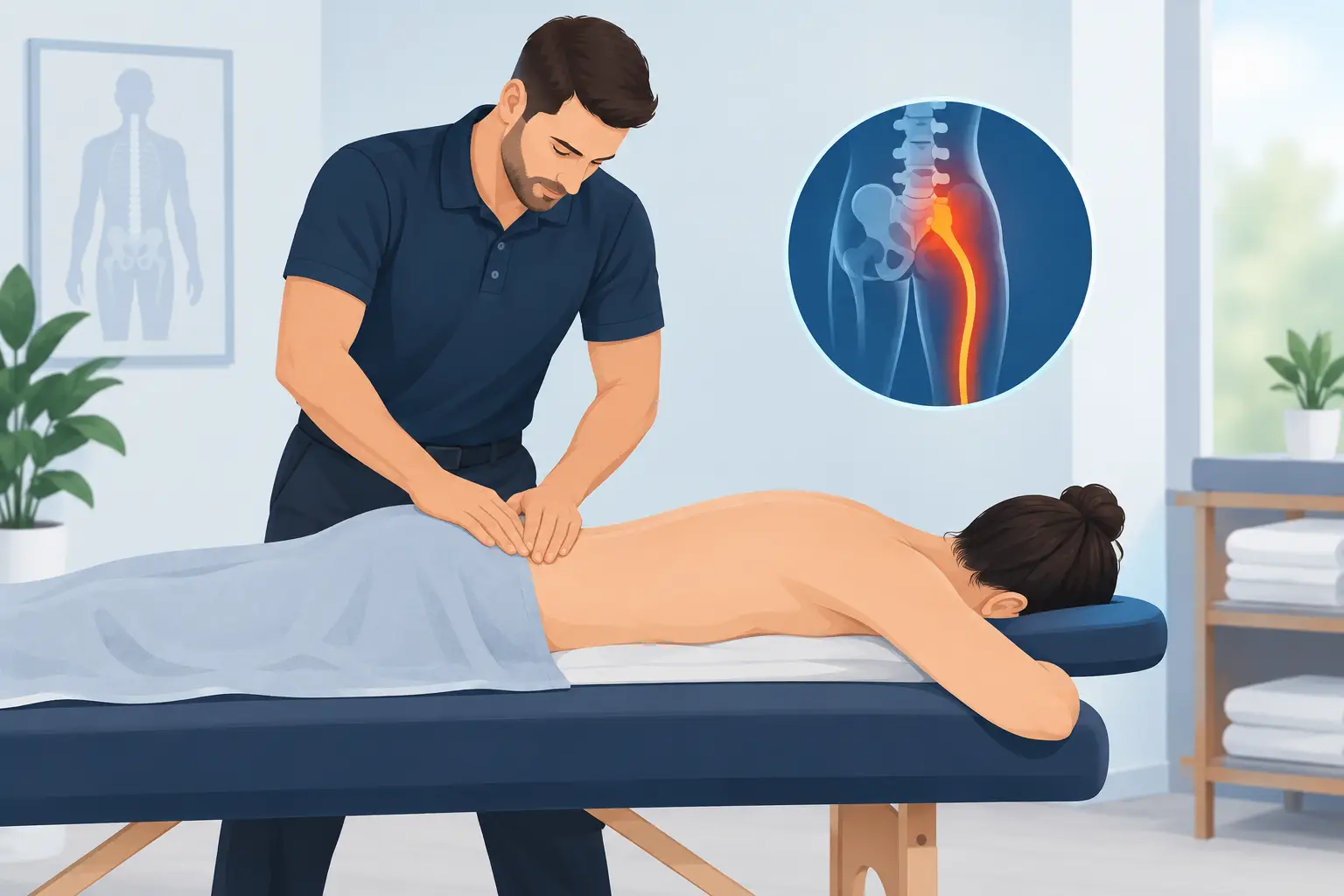
Sciatica is a description of symptoms, not a diagnosis by itself. It usually refers to pain, tingling, numbness, or weakness that travels from the low back or buttock into one leg along the path of the sciatic nerve. For some people, symptoms are brief and closely tied to a tight hip or long day of sitting. For others, they are related to a disc issue, spinal narrowing, injury, or another condition that needs medical evaluation. That distinction matters when deciding whether massage is appropriate and what it should involve.
How Massage for Sciatica Pain May Help
The sciatic nerve does not usually need to be “massaged.” In fact, direct, aggressive pressure on an already sensitive nerve pathway can make symptoms worse. Therapeutic massage instead focuses on the muscles, fascia, and movement patterns surrounding the low back, pelvis, hips, and legs.
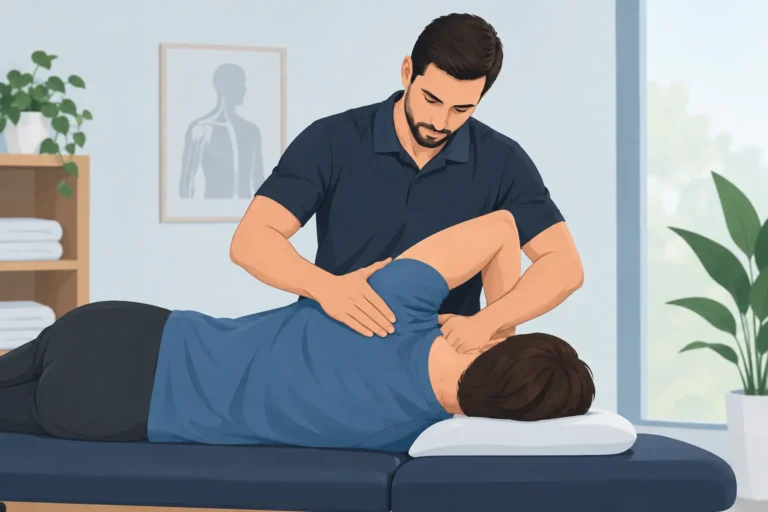
When pain starts, the body often responds by tightening nearby muscles to protect the area. The glutes, deep hip rotators, hamstrings, hip flexors, and muscles along the low back may become overactive or guarded. That tension can limit hip movement, alter how you walk, and create additional pressure or irritation around sensitive structures. A skilled session can calm this protective tension, improve circulation in restricted soft tissue, and make everyday movement feel more manageable.
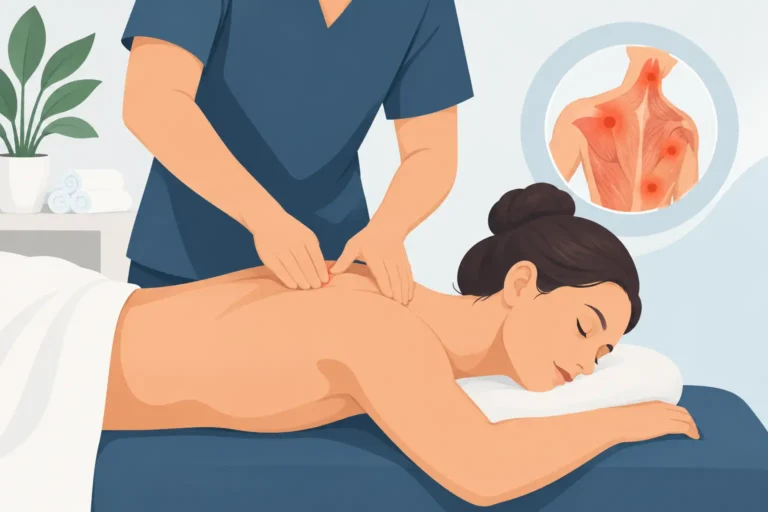
Neuromuscular massage may be especially useful when trigger points in the glutes or deep hip muscles refer pain into the buttock or leg. Some people have symptoms that resemble sciatica but are strongly influenced by muscular trigger points. Gentle, precise work can reduce that referred pain without forcing the tissue.
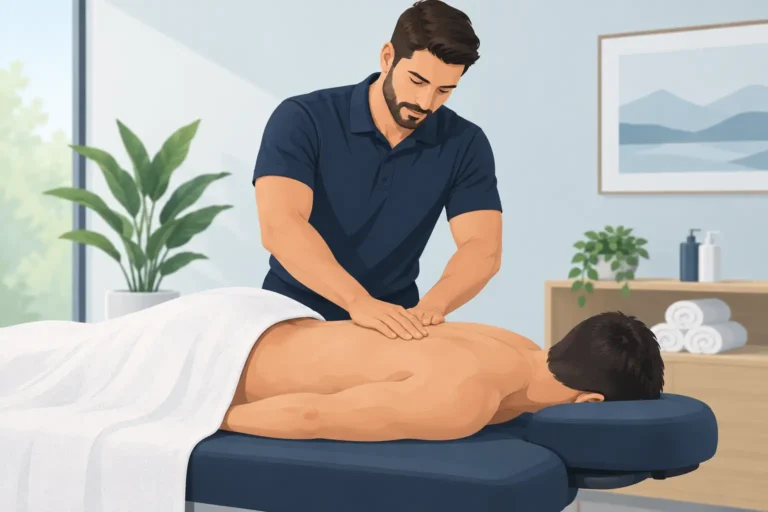
Deep tissue massage can also be appropriate, but deep does not automatically mean better. If your leg is burning, numb, or highly reactive, slower and more moderate pressure is often the safer starting point. Treatment should be adjusted continuously based on what you feel during the session and how your body responds afterward.
What a Personalized Session Should Look Like
A useful massage begins before hands-on work. Your therapist should ask where symptoms begin, where they travel, what makes them better or worse, whether you have numbness or weakness, and how the problem affects sleep, work, exercise, and daily activities. A recent flare after lifting a box calls for a different approach than persistent symptoms that build after hours at a desk.
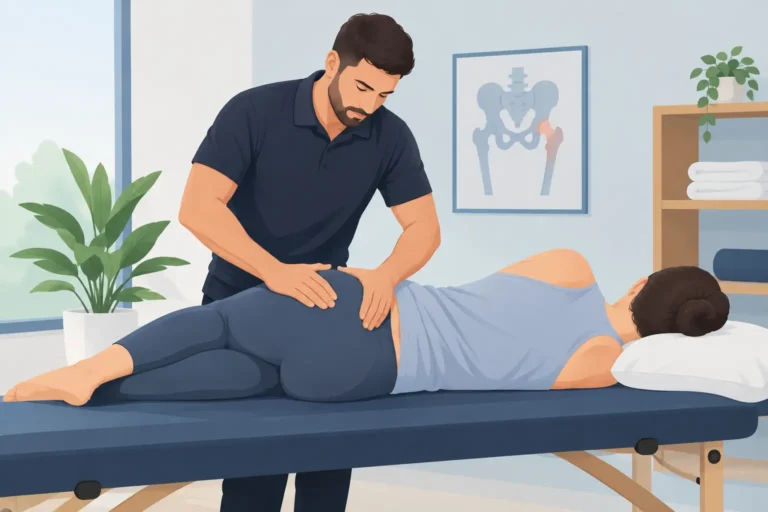
At Aleksei Therapeutic Bodywork, treatment is shaped around that history rather than following a preset routine. Depending on your presentation, the session may include focused work through the glutes and lateral hip, gentle low-back soft-tissue techniques, careful attention to the hamstrings and hip flexors, and movement-based reassessment as the session progresses.
The goal is practical: less tension, easier motion, and a clearer sense of which positions and activities your body currently tolerates. You should not have to endure sharp, electric, or radiating pain to get results. Clear feedback is part of the treatment. If pressure creates symptoms down the leg, say so immediately. The therapist can change the angle, pressure, area of focus, or technique.
Why the Hips and Glutes Often Matter
The piriformis and other deep hip rotators sit close to the sciatic nerve pathway. When these muscles are irritated or tight, they can contribute to buttock pain and leg symptoms in some people. However, it is too simplistic to assume every case is “piriformis syndrome.” Similar symptoms can come from the low back, sacroiliac region, hip, or other sources.
That is why a broad assessment is more valuable than chasing one tender spot. The most sensitive location is not always the root contributor. For example, a tight hip flexor may change pelvic positioning, while underused glute muscles and long periods of sitting keep the low back working too hard. Addressing the whole pattern can be more effective than repeatedly digging into the sorest area.
What You May Feel During and After Treatment
During a well-paced session, you may notice a decrease in tightness, warmth in the tissue, or an easier range of motion when you stand up. Some clients feel relief right away. Others notice a more gradual improvement over the next day as guarding settles.
Mild tenderness can occur after focused bodywork, particularly if the muscles have been tense for a long time. It should feel similar to post-exercise soreness, not like a significant flare of nerve symptoms. Hydration, gentle walking, and avoiding prolonged positions that aggravate your pain can be useful aftercare steps. Your therapist may also suggest a simple movement or positioning change that fits your routine.
Massage is rarely a one-session cure for persistent sciatica. Frequency depends on the cause, duration, symptom severity, and your response to care. A short series of sessions may help when muscular tension and reduced mobility are major factors. For more complex or recurrent symptoms, massage may work best alongside guidance from a physician, physical therapist, or other qualified healthcare provider.
When Massage Is Not the First Step
Massage can support recovery, but certain symptoms require prompt medical attention rather than bodywork. Seek urgent evaluation if you have new or worsening leg weakness, loss of bladder or bowel control, numbness in the groin or inner thighs, severe pain after a significant fall or accident, fever with back pain, or unexplained weight loss. These signs can indicate a condition that needs immediate assessment.
It is also wise to check with a medical provider before booking if your symptoms are severe, rapidly worsening, or accompanied by persistent numbness. If you have had recent surgery, active cancer treatment, a blood clotting condition, or take blood-thinning medication, share that information before your appointment. Safe therapeutic massage depends on having the full picture.
Getting More From Your Massage Appointment
Arrive ready to describe your symptoms in everyday terms. You do not need medical language. Helpful details include whether pain travels below the knee, whether coughing or sitting changes it, which side is affected, and what you can no longer do comfortably. Mention any imaging, diagnosis, medications, or prior treatment that may be relevant.
Wear clothing that allows you to move easily, and do not try to “push through” a flare just to make the appointment. On a high-pain day, a lighter, calming session may be more productive than intensive work. On a better day, the therapist may be able to spend more time improving tissue mobility and addressing the patterns that keep symptoms returning.
Between sessions, small changes are often more sustainable than a complete routine overhaul. Brief walks, changing positions regularly during desk work, and avoiding long periods folded into a painful posture can help preserve the gains from treatment. If a particular stretch causes tingling or pain to travel farther down the leg, stop rather than forcing it. More sensation is not always more progress.
The most effective care plan respects both relief and reality. You may need to sit for work, drive across Los Angeles, train for an event, or care for your family. Massage should support the life you actually lead, with treatment choices that are comfortable, targeted, and responsive to your progress.
If sciatica symptoms are limiting your movement, a thoughtful therapeutic massage can offer a calmer starting point: less muscle guarding, more useful feedback from your body, and a plan built around moving forward without unnecessary pain.