Massage for Computer Neck Pain That Helps
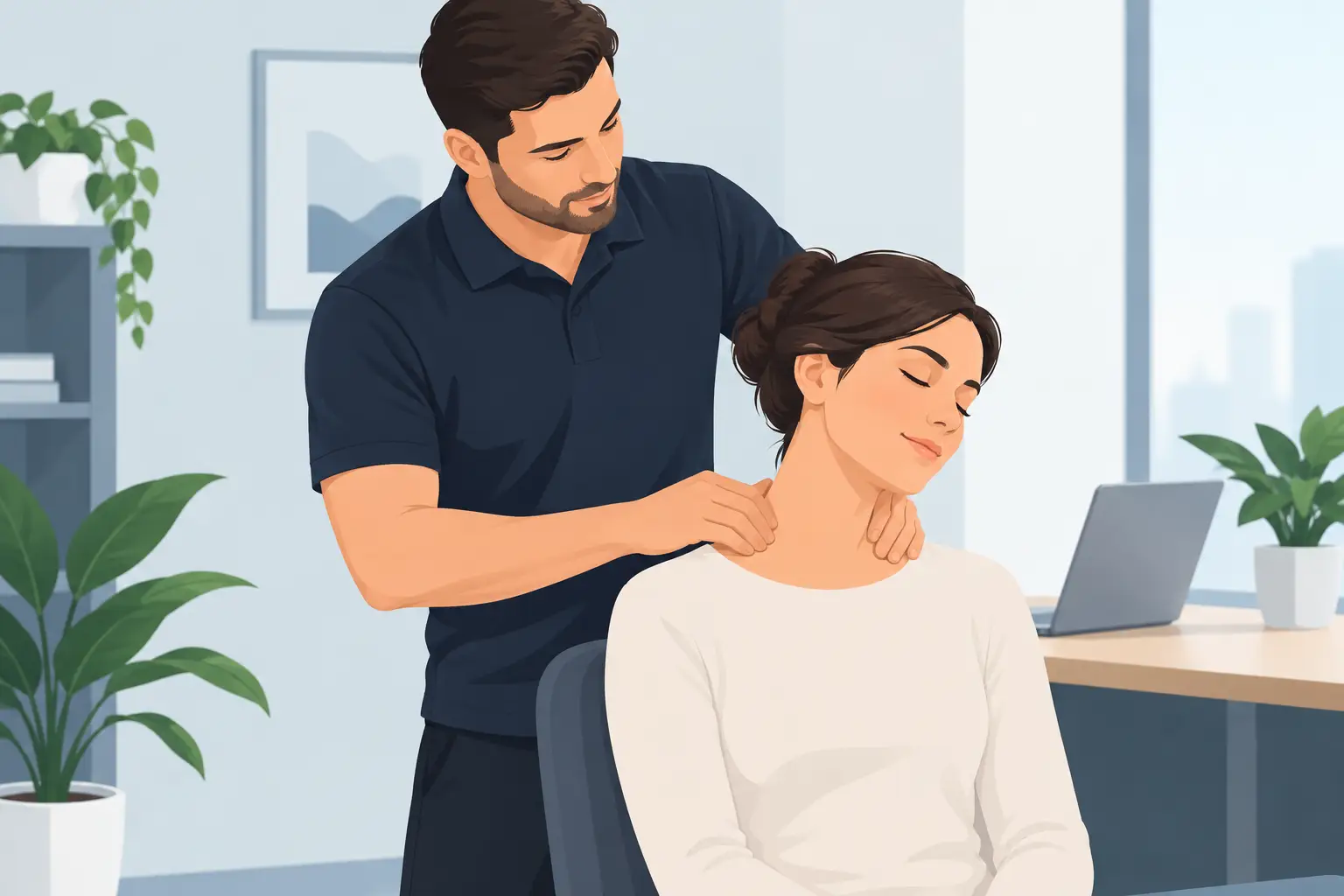
Your neck may not hurt most while you are working. For many desk-based professionals, the stiffness shows up after the laptop closes: turning to check traffic feels restricted, the base of the skull aches, or one shoulder seems permanently higher than the other. Massage for computer neck pain can help calm overworked soft tissue, restore more comfortable movement, and give you a clearer sense of what your body needs between appointments.
The key is treating more than the sore spot. Neck pain related to computer work often involves the upper back, shoulders, chest, jaw, and even the way you breathe while concentrating. A personalized therapeutic massage looks at those connected patterns rather than simply pressing harder on a tight neck.
Why Computer Work Can Create Neck Pain
Computer-related neck pain is rarely caused by one imperfect posture. Bodies are built to move, and trouble tends to develop when a position is held for too long. Hours of looking slightly down at a screen, reaching toward a mouse, or cradling a phone during calls can leave certain muscles working continuously while others contribute less effectively.
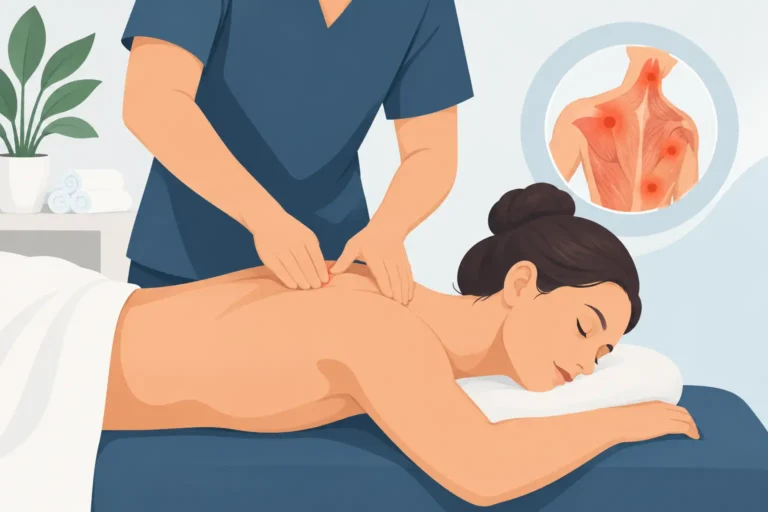
The upper trapezius and levator scapulae, which connect the neck to the shoulder blade, commonly become tender and guarded. The small muscles at the base of the skull may tighten as the head shifts forward. At the same time, the chest and front-of-shoulder tissues can become short and restricted, making it harder for the shoulder blades to rest and move well.
Stress adds another layer. When deadlines pile up, many people unconsciously lift their shoulders, clench their jaw, or take shallow breaths. This does not mean the pain is “all stress.” It means the nervous system and muscles are responding to a demanding pattern that deserves thoughtful care.
How Massage for Computer Neck Pain Works
A therapeutic session begins with listening. The useful details include where you feel symptoms, whether pain travels into the arm, what movements are limited, how long you sit, your exercise routine, old injuries, and what has or has not helped before. This helps shape treatment around your goals, whether that is easier head rotation, fewer headaches, a more comfortable workday, or returning to training without a tight neck.
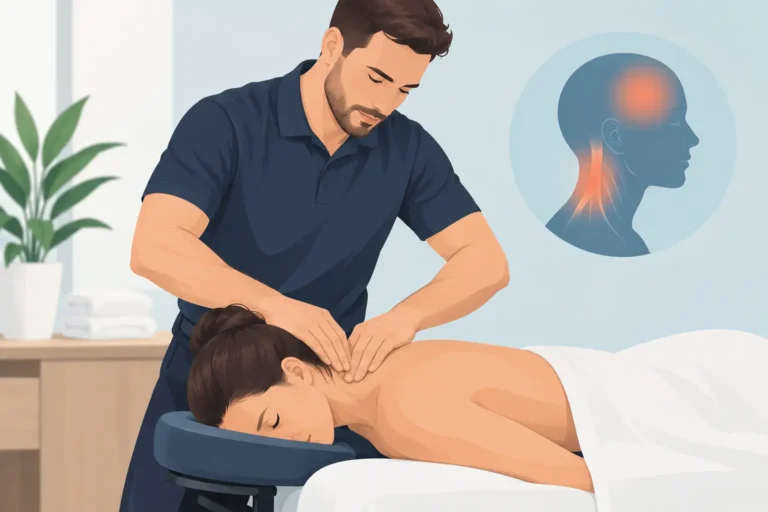
Massage can reduce the feeling of muscle guarding by applying skilled, appropriate pressure to irritated soft tissue. Neuromuscular massage may be useful when specific trigger points refer discomfort into the head, shoulder, or upper back. Deep tissue techniques can address denser restrictions in the upper back, chest, and shoulders when they are appropriate for your comfort level. Slower, more calming work can also be valuable when stress and poor sleep are keeping the body on high alert.
The goal is not to force tissue to release or to make an area hurt in order for treatment to be effective. Excessive pressure can make already sensitive muscles brace further. Productive therapeutic massage should feel specific and purposeful, with regular feedback about pressure, position, and symptoms.
The neck is only part of the treatment area
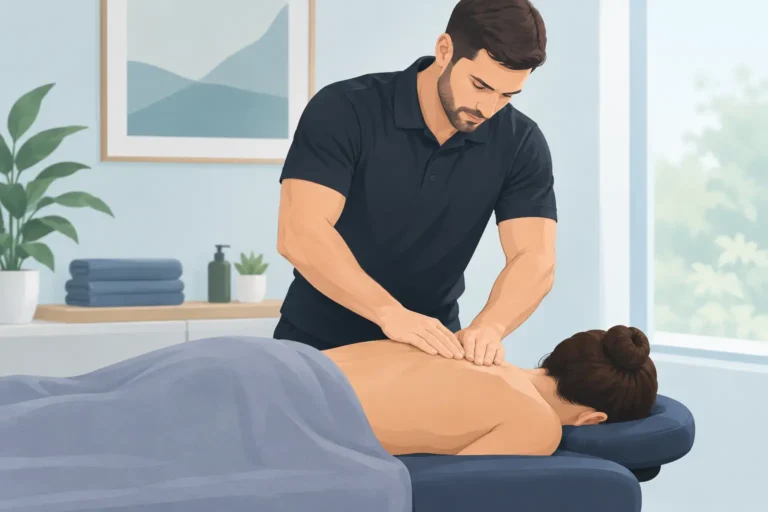
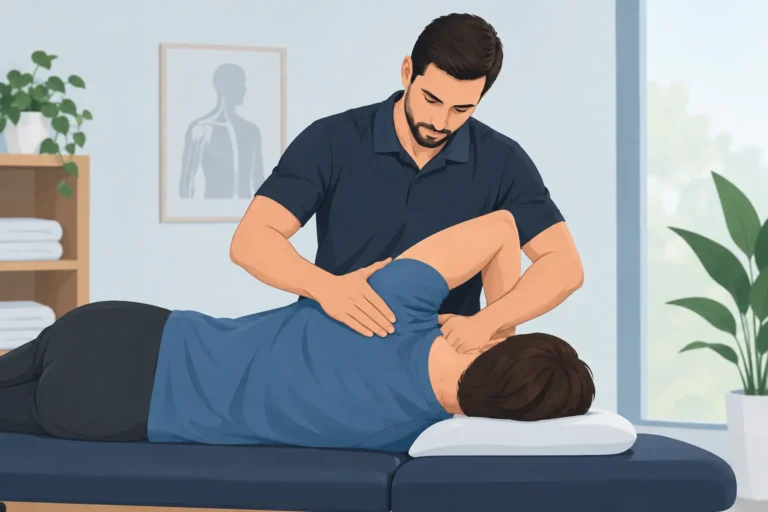
A focused session may include the muscles along the side and back of the neck, but effective work often extends to the upper thoracic spine, shoulder blades, pectoral muscles, arms, and sometimes the jaw. If your mouse hand and forearm are constantly active, those tissues may be contributing to the tension you feel near the shoulder and neck.
This broader approach matters because shoulder-blade movement and upper-back mobility influence how much work the neck has to do. Addressing the surrounding fascia and soft tissue can make the neck feel less like it is carrying the entire workload.
What Results Can You Expect?
Many clients notice easier movement, less pulling when looking over a shoulder, and a quieter ache after a session. Some feel an immediate difference, while others notice gradual improvement over the following day or two as the body settles. Results depend on how long the pattern has been present, the intensity of symptoms, work setup, stress, sleep, physical activity, and any underlying injury.
Massage is most effective as part of a larger strategy, not as a temporary fix that asks your body to tolerate the same strain indefinitely. A practitioner may suggest a few practical adjustments based on what shows up during the session. That might mean changing the position of your monitor, using a headset for calls, supporting your arms more fully, or setting a reminder to stand and move briefly.
For persistent tension, a short series of sessions may offer more lasting progress than waiting until symptoms become severe. The schedule should be based on your response, budget, and goals, not a one-size-fits-all plan.
Small Changes That Support Lasting Relief
You do not need a perfect ergonomic setup or a rigid posture all day. You need more variety and less unnecessary strain. Position your screen so you are not repeatedly bending your neck to see it, and bring frequently used items within easy reach. If you use a laptop for long periods, an external keyboard and mouse can help create a more comfortable screen height.
Take short movement breaks before you feel locked up. A minute to stand, walk, gently roll the shoulders, or look away from the screen can interrupt the buildup of tension. If a stretch creates sharp pain, tingling, or symptoms traveling down the arm, stop rather than pushing through it.
Strength and mobility work can also be useful, particularly for the upper back, shoulders, and deep neck stabilizers. The right exercises depend on your history and movement tolerance. Massage can help you feel more ready to move, but it does not replace appropriate medical evaluation or rehabilitation when those are needed.
When Neck Pain Needs Medical Attention
Most computer-related neck tension is muscular, but not every neck symptom should be treated as routine tightness. Seek prompt medical care for neck pain after a significant fall, collision, or other trauma. You should also contact a qualified health professional if you have worsening numbness, tingling, weakness, loss of coordination, severe unexplained headache, fever, dizziness, changes in vision, or pain that travels strongly into the arm or hand.
Massage should be modified or postponed when there is an acute injury, active infection, certain inflammatory conditions, or another medical concern that has not been evaluated. A licensed massage therapist can work within a thoughtful care plan, but massage does not diagnose medical conditions. Clear communication about your health history and current symptoms is essential for safe treatment.
A More Personalized Approach to Desk-Related Tension
At Aleksei Therapeutic Bodywork, treatment for desk-related neck and shoulder discomfort is adapted to the person on the table. One client may benefit from targeted neuromuscular work around trigger points and the shoulder blade. Another may need gentler work, breathing-focused relaxation, and gradual attention to the chest and upper back after a stressful month. Comfort is not separate from results. It helps your nervous system feel safe enough to reduce guarding and accept the work.
Before your appointment, notice what makes symptoms better or worse. Is the pain worse after video calls, driving, workouts, or sleeping? Does it stay local, or does it spread into the shoulder or arm? Those observations help create a session that is more precise from the start.
Your body does not need to endure a workday in a constant state of tension. With skilled massage, regular movement, and a few realistic changes to your workspace, a more comfortable neck can become part of your normal routine.