Your Guide to Post Injury Massage Recovery
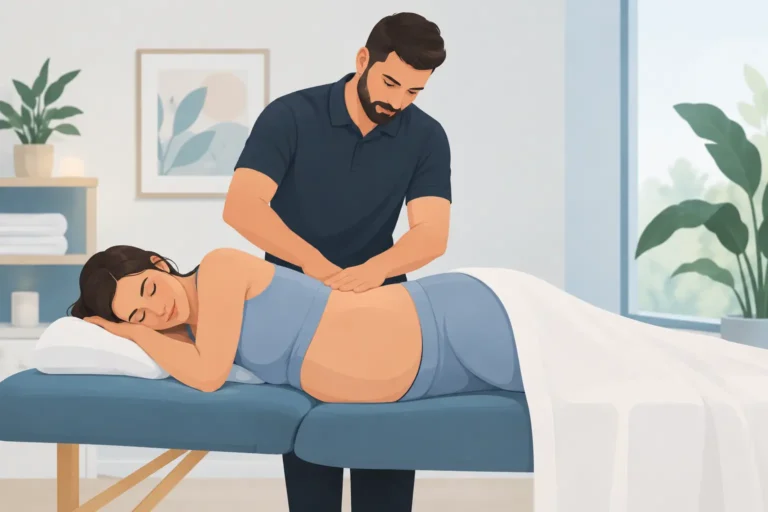
A sprain may stop hurting sharply long before the surrounding muscles return to normal. An old shoulder strain can leave you guarding one side, while a healing knee injury may change the way you walk. This guide to post injury massage explains where therapeutic bodywork can fit into recovery, how to recognize when it is appropriate, and why timing matters as much as technique.
Massage is not a replacement for medical evaluation, imaging, physical therapy, or a rehabilitation plan. It can, however, be a thoughtful complement when your physician or treating provider has cleared you for hands-on care. The goal is not to force the body to “loosen up.” It is to support comfortable movement, reduce unnecessary muscular tension, and help you reconnect with the affected area at a pace your tissues can tolerate.
When Post Injury Massage Can Help
After an injury, the body often protects itself by tightening nearby muscles and changing movement patterns. That response can be useful initially. If it continues after the acute phase, it may contribute to stiffness, trigger points, reduced range of motion, headaches, low back discomfort, or compensations in a completely different area.
Post injury massage may be useful once the injury is stable and you have appropriate clearance. For example, a client recovering from a mild ankle sprain may have calf tightness and foot tension after weeks of favoring the other leg. Someone returning to desk work after a shoulder injury may develop neck and upper-back tension from holding the shoulder differently. In these cases, treatment can focus on the muscles and fascia working overtime, not simply the site that was injured.
Benefits vary by person and injury, but clients often seek massage to support easier movement, reduce muscle guarding, improve awareness of tension patterns, and feel more comfortable as they return to daily activities or exercise. Progress is rarely a straight line. A productive session should leave you feeling heard, more at ease, and better informed about what your body needs next.
When to Wait and Seek Medical Guidance
The early stage of an injury is not the time to massage aggressively. Deep pressure over a fresh tear, fracture, severe sprain, or inflamed tissue can worsen pain and interfere with recovery. A qualified massage therapist should adapt care or postpone treatment when the situation calls for medical attention.
Seek prompt medical guidance for severe or worsening pain, significant swelling, visible deformity, inability to bear weight, numbness or tingling, unexplained weakness, fever, redness or heat that is spreading, or suspected concussion. Massage should also be delayed over open wounds, active infections, blood clots, unhealed surgical sites, and areas where your medical provider has advised against manual therapy.
If you have had surgery, a fracture, a major ligament injury, cancer treatment, circulatory concerns, or take blood-thinning medication, ask your medical team whether massage is appropriate and what restrictions apply. Clearance is especially valuable when there are implants, hardware, a recent procedure, or a complex rehabilitation plan. Good therapeutic care works alongside your providers rather than guessing past their recommendations.
The Right Timing Depends on the Injury
There is no universal number of days or weeks after which massage becomes safe. The right timing depends on the type and severity of injury, your symptoms, the stage of healing, and your provider’s guidance.
In the acute phase, the priority is usually protection, medical assessment when needed, and managing swelling or pain according to professional advice. Direct massage may not be appropriate, but gentle relaxation work in unaffected areas may sometimes be considered with clearance.
In the subacute phase, when swelling and acute tenderness are improving, carefully tailored work may help address tension around the area. Pressure should be conservative at first. The therapist may work on related regions, such as the hips and low back after a lower-leg injury, while checking how your body responds.
Later in recovery, massage can often become more specific. Neuromuscular massage, targeted deep tissue techniques, and work with fascia may be used to address persistent trigger points, guarded movement, and soft-tissue restrictions. More pressure is not automatically better. The best approach is the one that creates useful change without causing a pain flare that lingers for days.
What a Post Injury Massage Session Should Include
A results-driven session starts with questions, not assumptions. Your therapist should ask about the injury, diagnosis if you have one, date of onset, surgery or treatment history, current symptoms, medications, activity level, and your goals. They should also want to know what movements feel better, worse, or uncertain.
This information shapes the treatment. A runner recovering from a hamstring strain and an office professional dealing with lingering neck tension after a car accident do not need the same plan. One may benefit from gradual work to the hips, glutes, calves, and hamstrings. The other may need gentle attention to the chest, upper back, neck, and breathing patterns before deeper techniques are even considered.
During the session, communication matters. You should be able to say when pressure feels too intense, when a position is uncomfortable, or when a sensation feels sharp, electrical, or unfamiliar. Therapeutic massage does not require you to endure pain. A useful guideline is that pressure may feel focused or tender, but it should remain tolerable and should not make you brace against the table.
At Aleksei Therapeutic Bodywork, treatment is adapted to your history, mobility, comfort level, and recovery goals. This may include focused neuromuscular work for trigger points, measured deep tissue techniques for chronic muscle tension, or lighter relaxation-focused work when your nervous system needs a calmer starting point.
Choosing the Best Technique for Your Recovery
Technique should follow the assessment, not the other way around. Swedish massage can be a sensible choice when stress, generalized tension, and poor sleep are slowing your recovery. It uses lighter, calming strokes that can help you feel more comfortable in your body without overloading sensitive tissues.
Deep tissue massage may help with longer-standing tension and restricted movement, but it must be applied thoughtfully after an injury. Deep work is not a single pressure level. It is a gradual approach that considers tissue response, guarding, and the location of the injury. If your body tightens more as pressure increases, lighter work may be more effective that day.
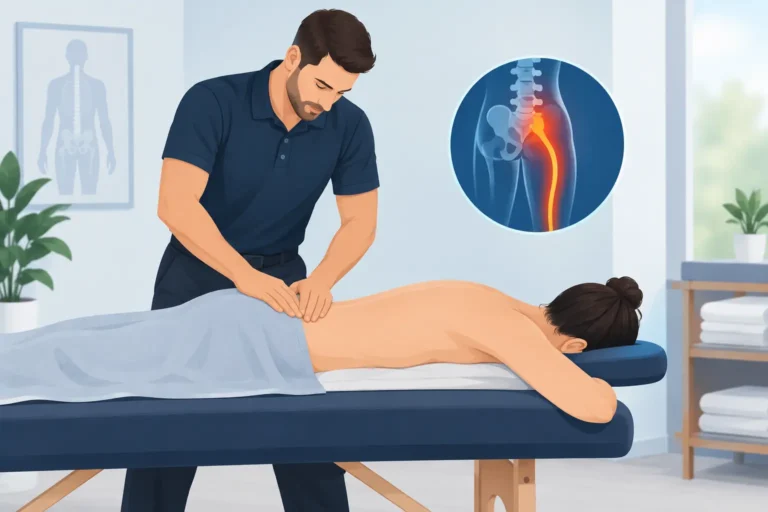
Neuromuscular massage can be helpful when specific trigger points and compensation patterns are contributing to pain or limited motion. A therapist may work with areas that seem unrelated at first because the body functions as a connected system. For instance, persistent shoulder discomfort can involve the chest, upper back, rotator cuff, and neck.
Manual Lymphatic Drainage is different from deep tissue work. This gentle technique may be considered for certain swelling-related concerns when medically appropriate, particularly after a provider has given clear guidance. It is not a substitute for medical care for sudden swelling, suspected infection, or possible blood clot symptoms.
How to Prepare and Recover After Your Session
Wear comfortable clothing, arrive with a clear sense of your current symptoms, and bring any relevant instructions from your physician or physical therapist. You do not need to have the perfect explanation for your pain. Describing where you feel it, what aggravates it, and what has changed since the injury is enough to begin.
Afterward, give your body a little room to respond. Hydrate normally, take an easy walk if it feels good, and avoid testing your limits with an intense workout immediately after a new treatment approach. Mild tenderness can occur, particularly when chronic tension has been addressed, but pain that is sharp, escalating, causes new swelling, or persists beyond a reasonable recovery window deserves attention.
Notice practical measures of progress: Can you turn your head more comfortably while driving? Does walking feel more even? Can you sit through a workday with less shoulder tension? Those small changes are often more meaningful than chasing a dramatic sensation right after the appointment.
A Recovery Plan Should Change With You
Post injury massage works best as part of an adaptable plan. Some clients benefit from a short series of sessions while returning to activity. Others need occasional care to manage recurring compensation patterns around an older injury. Your needs may also change as physical therapy exercises progress, work demands increase, or you resume training.
The right session should meet you where you are, not where you think you should be. With appropriate timing, informed communication, and a treatment approach that respects healing tissue, massage can be a steady source of relief while you rebuild trust in movement.