Swedish Massage Benefits for Stress and Tension
A tight neck after a day at the computer, legs that feel heavy after a long commute, and a mind that will not settle at bedtime can all make rest feel out of reach. Swedish massage benefits extend beyond a pleasant hour on the table: when the session is thoughtfully tailored, it can help calm an overworked nervous system, ease superficial muscle tension, and leave you feeling more comfortable in your body.
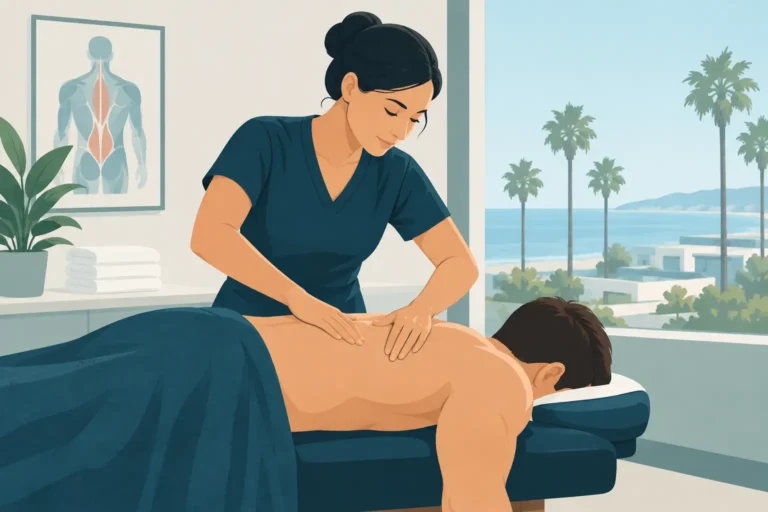
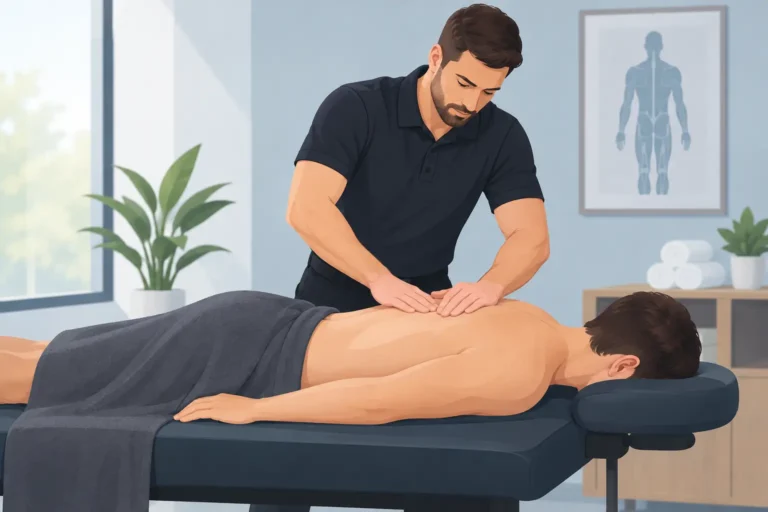
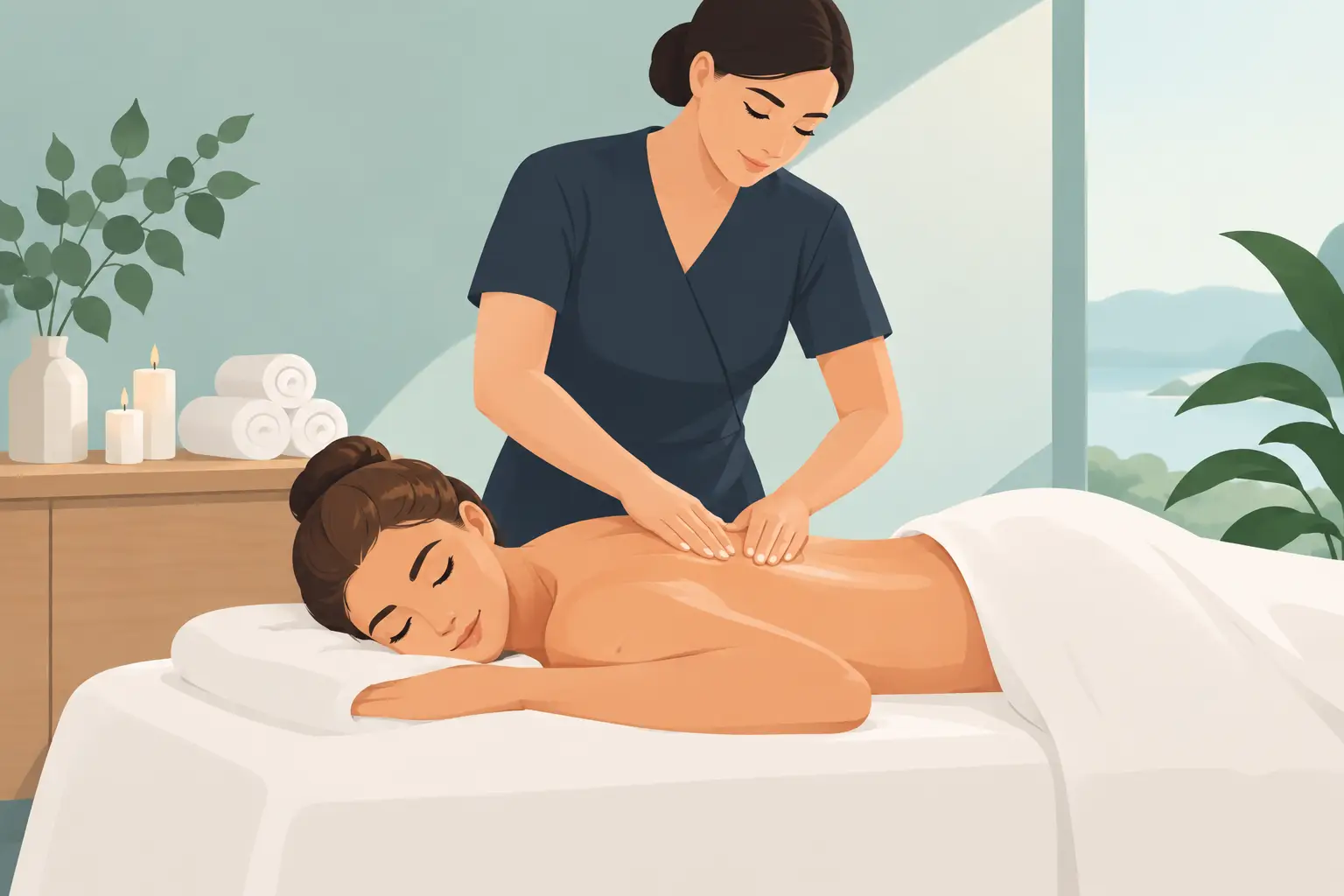
Swedish massage is often described as relaxation massage, but that does not mean it is generic or passive. It uses long gliding strokes, kneading, gentle friction, rhythmic tapping, and comfortable joint movement to support circulation and soften tense soft tissue. Pressure is typically light to moderate, though it can be adjusted based on your sensitivity, activity level, and goals.
What Swedish massage is designed to do
The purpose of Swedish massage is to create a calmer, more comfortable baseline in the body. Slow, intentional touch can encourage the shift from a stress response into a more restorative state. For people who spend much of the week bracing through their shoulders, jaw, low back, or hips, that shift alone can feel significant.
A skilled session also addresses the areas where tension tends to collect. That may mean broad work through the upper back and shoulders for a desk-based professional, gentle flushing strokes through tired legs after travel, or more focused kneading around the hips and low back for someone whose movement feels restricted. The approach is never one-size-fits-all. Your comfort, health history, and feedback should guide the pressure and pacing throughout the appointment.
Swedish massage benefits that clients often notice
Less stress held in the body
Stress is not only a mental experience. It often shows up physically as raised shoulders, shallow breathing, headaches, clenched hands, or a sense that your muscles are always “on.” Swedish massage provides sustained, non-rushed contact that can help downshift this pattern. Many clients notice easier breathing and a greater sense of calm by the end of a session.
The effect is not limited to the massage room. When you feel less keyed up, it may be easier to take a walk, stretch without forcing it, prepare a better meal, or simply sit still without feeling restless. Massage does not remove the source of a demanding workload or family responsibility, but it can give your body a more workable starting point for managing it.
Relief for everyday muscle tightness
Long strokes and kneading techniques can warm and relax muscles that feel sore, stiff, or fatigued. Swedish massage is especially useful for generalized tension rather than one sharply defined pain point. If your entire upper back feels tight after a week of laptop work, for example, a full-session approach may be more beneficial than immediately applying intense pressure to one spot.
That said, more pressure is not automatically better. Muscles can guard when touch feels too aggressive, particularly when you are already stressed, sleep-deprived, or sore from exercise. Moderate pressure often produces better relaxation and more lasting comfort than trying to force a tense area to release.
Support for circulation and recovery
Massage strokes move across the skin and soft tissue in a way that can create a temporary warming sensation and support healthy circulation in the treated area. Clients often describe feeling lighter or less heavy in their limbs afterward, especially after prolonged sitting, standing, travel, or moderate exercise.
For active adults, Swedish massage can be a useful recovery option between demanding workouts. It may help reduce the feeling of muscular fatigue and improve the sense of ease during movement. It should not be treated as a replacement for adequate sleep, hydration, nutrition, progressive training, or medical evaluation after an injury. Think of it as one part of a recovery routine, not the entire plan.
Better readiness for sleep and rest
When the body is tense, getting into bed does not always translate to falling asleep. A calming massage can help some people feel more settled later that evening, particularly when their sleep difficulty is tied to stress or physical discomfort. The quiet environment, slower breathing, and decrease in muscle guarding can make rest feel more accessible.
Results vary. If insomnia is persistent, severe, or connected to anxiety, pain, medication, or a medical condition, massage can be supportive but may not be enough on its own. It is worth speaking with the appropriate health professional while using massage as part of a broader self-care plan.
A gentler entry point for therapeutic care
Not everyone wants or needs deep tissue work. Swedish massage can be an excellent first appointment for someone who is new to massage, sensitive to pressure, returning after a stressful period, or unsure how their body will respond. It allows the therapist to assess patterns of tension, learn what pressure feels productive, and identify areas that may need more targeted work in later sessions.
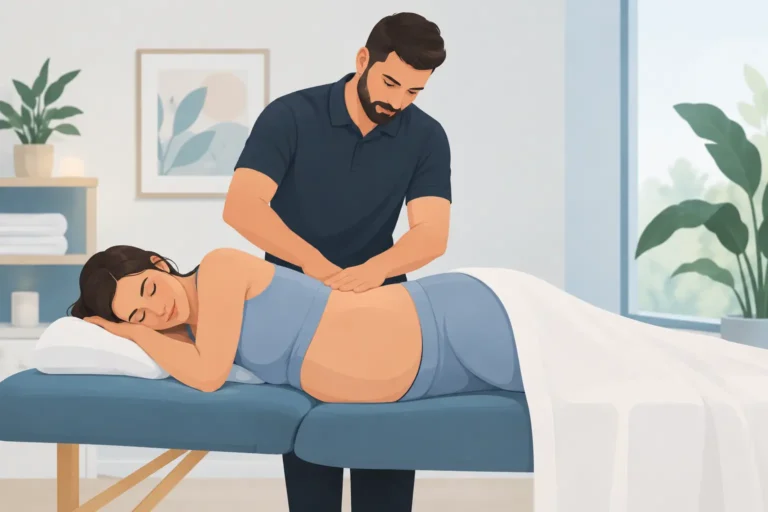
For prenatal clients, gentler Swedish-based techniques can also provide welcome relief from the physical changes of pregnancy when appropriately adapted. Positioning, pressure, and comfort are especially important. Prenatal massage should be provided by a qualified practitioner who reviews your stage of pregnancy, symptoms, and any relevant medical guidance before treatment.
Swedish massage versus deep tissue massage
The difference is not simply light pressure versus hard pressure. Swedish massage generally emphasizes broad relaxation, circulation, and overall muscle comfort. Deep tissue massage uses slower, more focused techniques to work with deeper layers of muscle and fascia, often for specific restrictions, chronic tension patterns, or mobility concerns.
If you have a persistent knot near the shoulder blade, recurring low back tightness, or a training-related limitation, deeper therapeutic work may be appropriate. But even then, a good session may blend approaches. Starting with Swedish techniques can help your nervous system and superficial tissues relax before more specific work is applied. The best choice depends on your symptoms, goals, tolerance, and how your body responds, not on a belief that massage must be intense to be effective.
When Swedish massage may not be the right choice
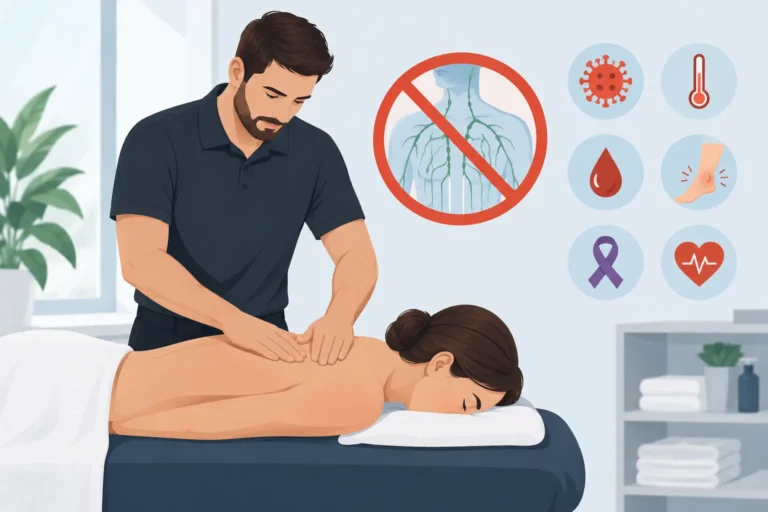
Massage should always be adapted for safety. Reschedule and seek medical guidance if you have a fever, contagious illness, unexplained swelling, a suspected blood clot, an acute injury, or a new and unexplained pain pattern. Tell your therapist about recent surgery, medications, skin conditions, varicose veins, osteoporosis, pregnancy complications, cancer treatment, or any health change that could affect your session.
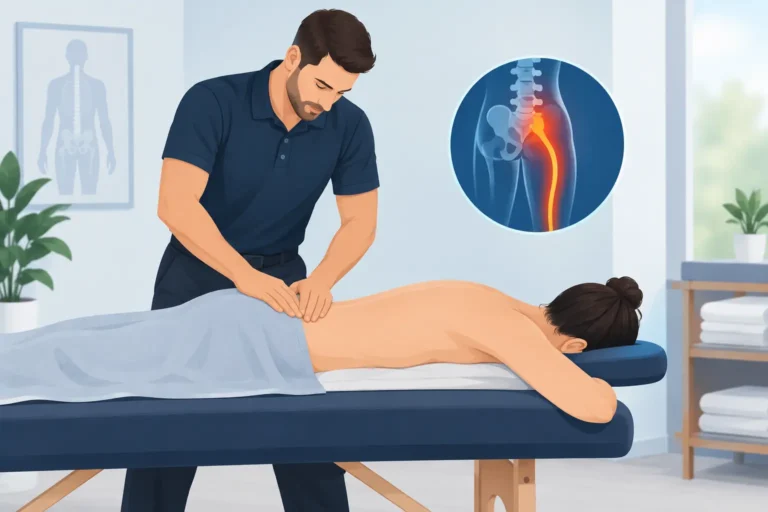
Swedish massage may also be too general if your main concern is a highly specific, long-standing pain pattern. In that situation, a therapeutic assessment and targeted work such as neuromuscular massage may be more useful. Trigger points, movement habits, old injuries, and fascia restrictions can all contribute to discomfort, and they are not always resolved through relaxation techniques alone.
How to get more from your appointment
Arrive with a clear but simple intention. You might want help settling after a stressful week, relief for tense shoulders, or recovery support before an upcoming event. Let your therapist know where you feel discomfort, what makes it worse, and what pressure you prefer. Feedback during the session is helpful, not disruptive. A therapist can only adjust effectively when they know what you are feeling.
Afterward, give yourself a little space before returning to a packed schedule if possible. Drink water as you normally would, eat if you need to, and notice how your body feels over the next day or two. Gentle walking and easy movement can help you stay connected to the increased comfort from the session. If you notice soreness, it should be mild and temporary, not sharp or worsening.
At Aleksei Therapeutic Bodywork, Swedish massage is approached as personalized care, not a preset sequence. Whether you need a quiet reset, practical support for desk-related tension, or a gentler complement to more focused therapeutic work, the goal is to help you leave feeling safe, heard, and more at ease in your body.
A well-timed Swedish massage will not solve every source of pain or stress, but it can be a meaningful pause in the cycle of tension. When comfort improves, it becomes easier to move, rest, and make the small daily choices that support long-term wellness.