Therapeutic Massage Culver City for Lasting Relief
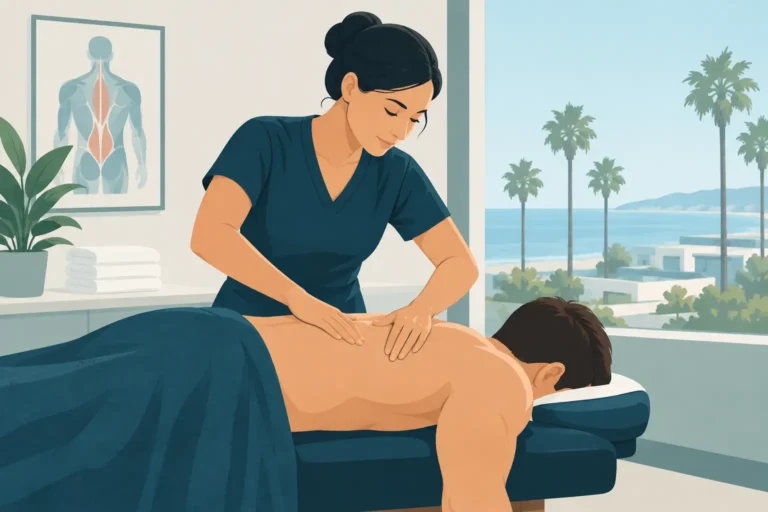
A stiff neck that returns every workweek, a hip that tightens after every run, or a low back that never quite settles is more than an inconvenience. Therapeutic massage Culver City clients choose should address the pattern behind the discomfort, not simply provide a pleasant hour of relaxation. The right session can still feel calming, but it begins with listening, assessment, and a plan that respects how your body is feeling that day.
At Aleksei Therapeutic Bodywork, massage is tailored around your symptoms, activity level, health history, and goals. Some people need focused work for persistent shoulder tension; others need gentler support while recovering from an injury, managing pregnancy-related changes, or reducing overall stress. Effective care is not one fixed routine. It is a thoughtful response to the person on the table.
What Makes Massage Therapeutic?
Therapeutic massage uses intentional hands-on techniques to reduce soft-tissue tension, improve comfort with movement, and support recovery. It may include work with muscles, fascia, trigger points, and areas that have been compensating for a painful or restricted joint. The goal is practical: help you move, rest, work, train, or recover with less discomfort.
That does not mean every session needs to be intense. Pressure is only one variable. A skilled practitioner may use slow, specific work to address dense muscle tissue, lighter techniques to calm an overworked nervous system, or a combination of both. More pressure is not automatically better, especially when pain has made the body guarded or sensitive.
A therapeutic approach also considers why a problem keeps returning. For example, recurring upper-back tightness may be related to long hours at a laptop, shallow breathing under stress, limited shoulder mobility, an old injury, or training volume that has increased too quickly. Massage cannot change every contributing factor on its own, but targeted treatment can reduce the muscular strain and help you better tolerate movement while you make supportive changes between visits.
Therapeutic Massage in Culver City: Who It Can Help
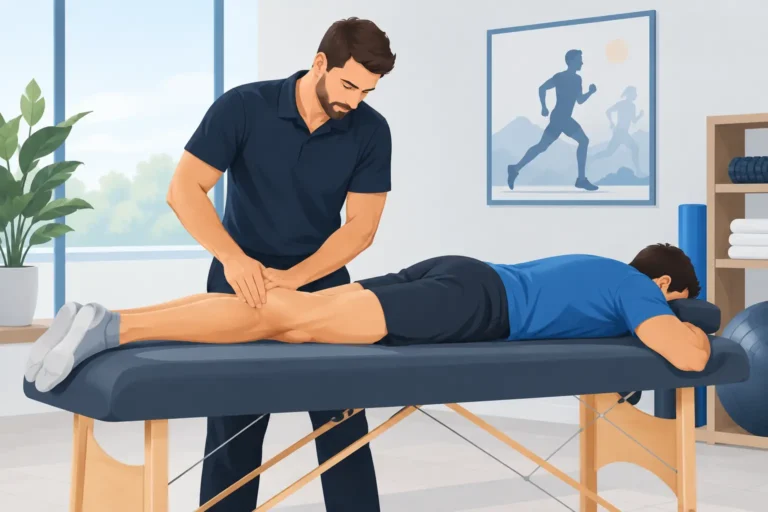
People seek massage therapy for many reasons, but a few concerns come up often in Culver City and nearby Los Angeles communities. Desk-based professionals commonly deal with neck stiffness, headaches associated with muscle tension, aching shoulders, forearm tightness, and low-back fatigue. Active adults may notice calf, hip, glute, or upper-body restriction that affects training and recovery.
Massage can also be useful during injury recovery when it is appropriate for your stage of healing and coordinated with guidance from your healthcare provider. Once acute medical concerns have been evaluated, soft-tissue work may help address protective tension, scar-tissue restrictions, or compensatory patterns that developed around the injury. It should never replace medical diagnosis or urgent care for severe, unexplained, or worsening symptoms.
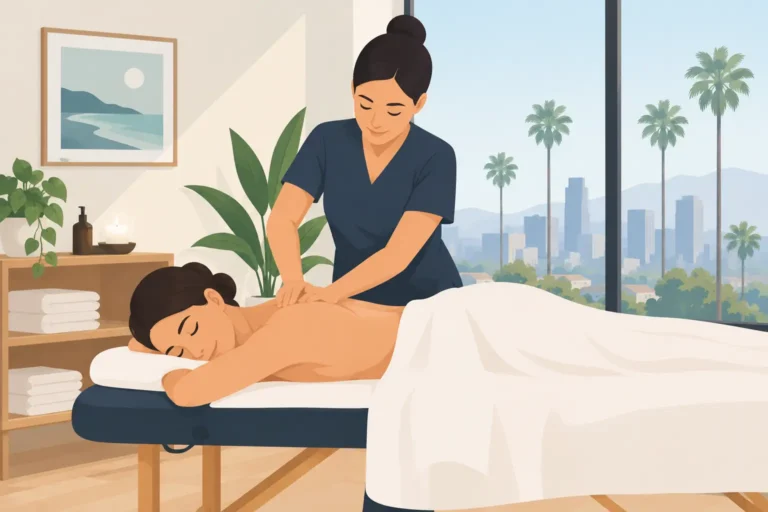
For expecting mothers in their second trimester and beyond, prenatal massage offers a comfortable way to address common changes such as back discomfort, hip tension, leg heaviness, and difficulty relaxing. Positioning, pressure, and session goals are adapted for safety and comfort. Communication matters throughout, because pregnancy can change how the body feels from week to week.
Choosing the Right Type of Massage
The best modality depends on what you are experiencing, how sensitive the area is, and what outcome matters most to you. During an intake, your practitioner can help determine which approach is appropriate rather than asking you to diagnose your own body.
Neuromuscular Massage for Persistent Tension
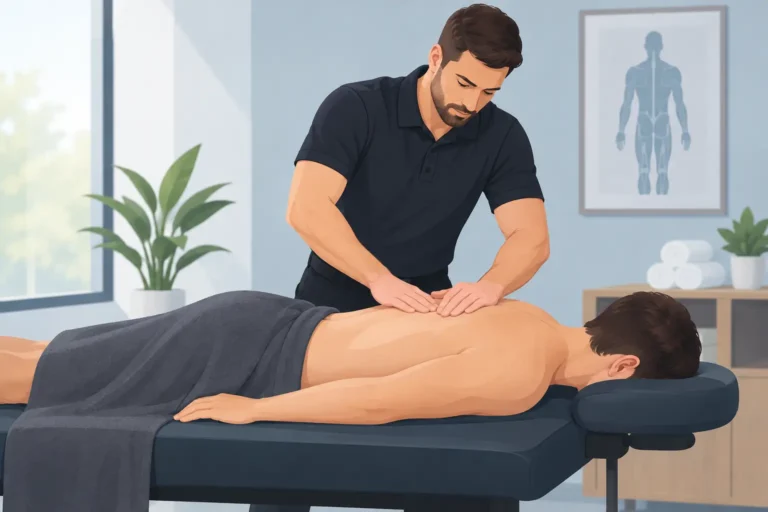
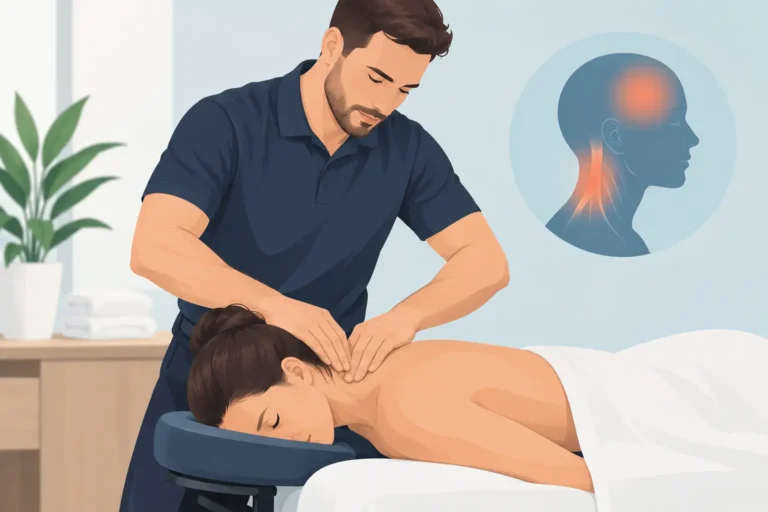
Neuromuscular massage is often a strong choice for focused pain patterns and stubborn muscular tightness. It uses careful assessment and targeted work around trigger points, overactive muscles, and related compensation patterns. A painful shoulder, for instance, may benefit from attention not only at the sore spot but also through the neck, chest, shoulder blade, and arm, depending on what is contributing to the restriction.
This work can be more specific than a general relaxation massage, but it should remain collaborative. You should be able to give feedback about pressure, sensations, and comfort at any point. Productive treatment may involve tenderness, but sharp pain, breath-holding, or a feeling that you need to endure the session are signs to adjust.
Deep Tissue Massage for Mobility and Recovery
Deep tissue massage is commonly requested by clients who feel chronically tight or limited in their movement. The technique uses slower, more deliberate pressure to work through deeper layers of soft tissue. It can be useful for dense muscle tension related to repetitive activity, prolonged posture, or strenuous training.
There is a trade-off: deeper work can feel relieving for some bodies and overly irritating for others. If you are already inflamed, exhausted, newly injured, or especially sensitive, a lighter approach may produce a better result. The goal is not to leave feeling beaten up. It is to create meaningful change without asking your body to recover from the massage itself.
Manual Lymphatic Drainage for Gentle Support
Manual Lymphatic Drainage using the Dr. Vodder Method is a very light, rhythmic technique designed to support lymphatic flow. It feels quite different from deep tissue work and is not meant to force pressure into sore muscles. Clients may seek it for a sense of swelling or heaviness, recovery support, or when they need a calming, gentle session.
Because lymphatic concerns can have medical causes, it is essential to share your health history fully. Certain conditions require physician clearance or make this treatment inappropriate. A qualified practitioner will screen for contraindications and refer out when needed.
Swedish Massage When Stress Is Part of the Problem
Stress does not stay only in the mind. It can show up as jaw clenching, shallow breathing, poor sleep, elevated muscle tone, and the sense that your shoulders are permanently lifted. Swedish relaxation massage uses flowing strokes and moderate pressure to help the body downshift.
A relaxation-focused session can still be therapeutic. When stress is amplifying pain or preventing restorative sleep, a calmer approach may be exactly what helps. The choice between Swedish and deeper work is not about one being more valuable than the other. It depends on your current needs.
What to Expect From a Personalized Session
Your first appointment should start with a conversation, not assumptions. Expect questions about where you feel discomfort, when it began, what makes it better or worse, your work and activity habits, past injuries, and relevant medical history. This information helps guide the session and identify areas that deserve focused attention.
During treatment, you remain in control. Pressure can be adjusted, areas can be avoided, and goals can change if your body responds differently than expected. A good massage is not silent guesswork. Ongoing feedback allows the work to stay effective and comfortable.
Afterward, many clients feel looser, calmer, and more aware of where they hold tension. Some people experience mild soreness after focused deep work, particularly if tissues have been sensitive or under strain for a long time. Hydration, gentle movement, and avoiding an unusually hard workout immediately afterward can help. If you have questions about what you are feeling after a session, ask rather than pushing through uncertainty.
Making Relief Last Between Appointments
Massage tends to work best as part of a realistic care routine. That might mean short movement breaks during a computer-heavy day, changes to training volume, a home mobility exercise recommended by a qualified provider, better sleep support, or regular sessions during a demanding period. Small, repeatable adjustments usually matter more than a complicated plan that is hard to maintain.
Frequency depends on the issue. A recent flare-up or long-standing pain pattern may benefit from closer appointments at first, followed by less frequent maintenance care once symptoms improve. For general stress management, monthly or occasional sessions may be enough. Your response between sessions is useful information and should shape the plan.
Mobile in-home massage can be especially helpful when time, traffic, post-treatment relaxation, or limited mobility makes a studio visit less practical. Convenience is valuable when it makes consistent care easier, but the same standards apply: clear communication, a comfortable setup, and treatment tailored to your needs.
The most useful massage is the one that leaves you feeling heard, safer in your body, and better able to do what matters to you. Whether your next step is targeted neuromuscular work, prenatal support, lymphatic care, or a quieter session to reset, begin with your actual goals and let the treatment meet you there.