Neuromuscular Massage Playa Vista for Lasting Relief
That tight band along your upper shoulder, the low-back ache that returns after a long workday, or the hip tension that changes how you walk may not respond to a generalized massage. Neuromuscular massage Playa Vista clients choose is designed to look beyond the sore spot, identify contributing patterns in the soft tissue, and provide focused treatment that supports more comfortable movement.
At Aleksei Therapeutic Bodywork, each session begins with listening. Your work setup, training routine, recent injury history, stress level, sleep, and daily symptoms all provide useful context. The goal is not simply to make a muscle feel temporarily looser. It is to create a treatment plan that addresses the areas and movement habits most likely contributing to your discomfort.
What Neuromuscular Massage Focuses On
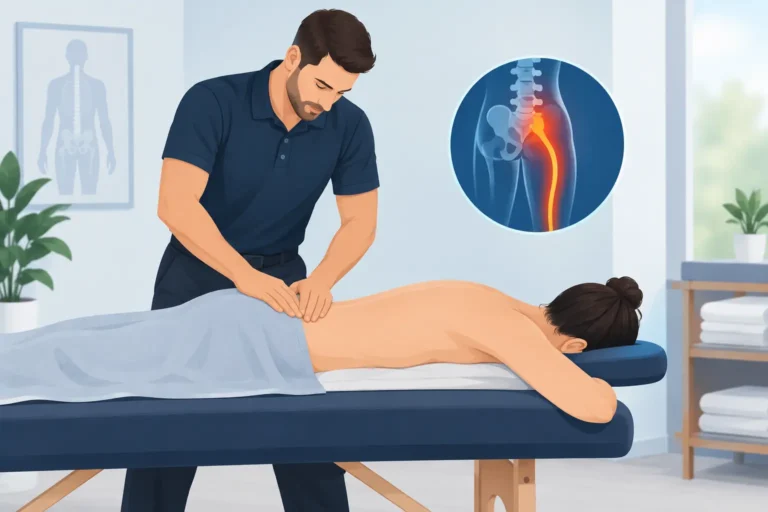
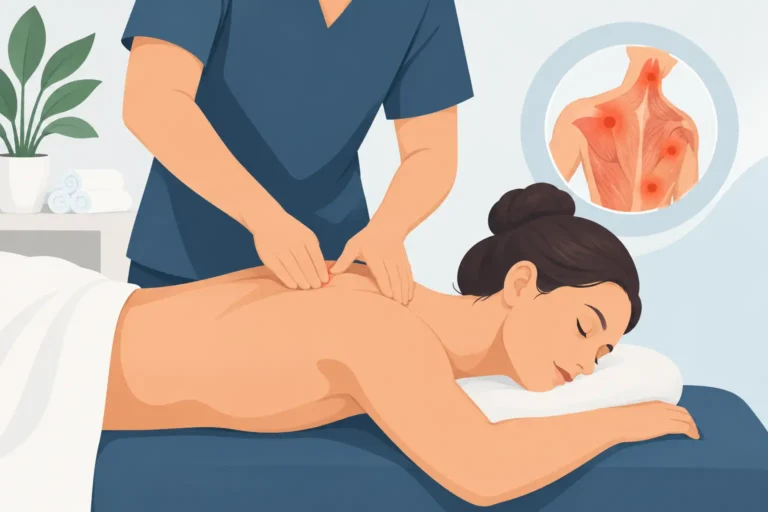
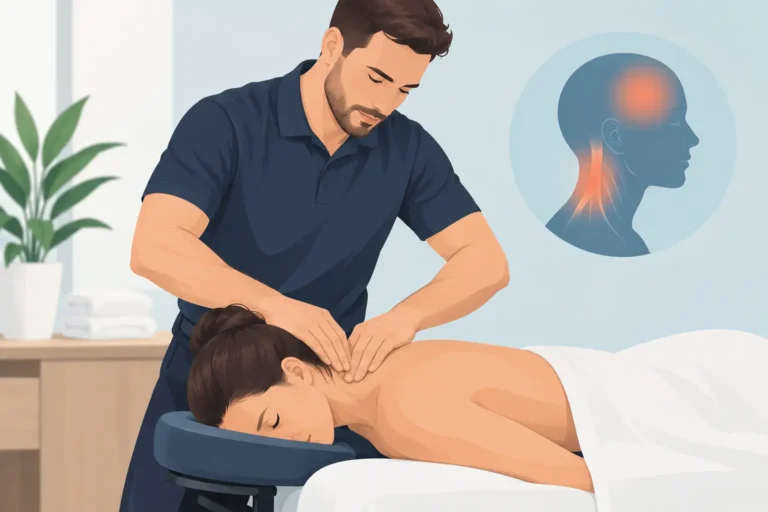
Neuromuscular massage is a therapeutic approach that works with muscle tissue, fascia, and sensitive trigger points. Trigger points are tight, irritable areas within a muscle that can be tender to touch and may refer discomfort elsewhere. For example, tension around the neck and shoulders can contribute to headaches or aching near the shoulder blade. Hip and glute tension can affect the low back, thighs, or knees.
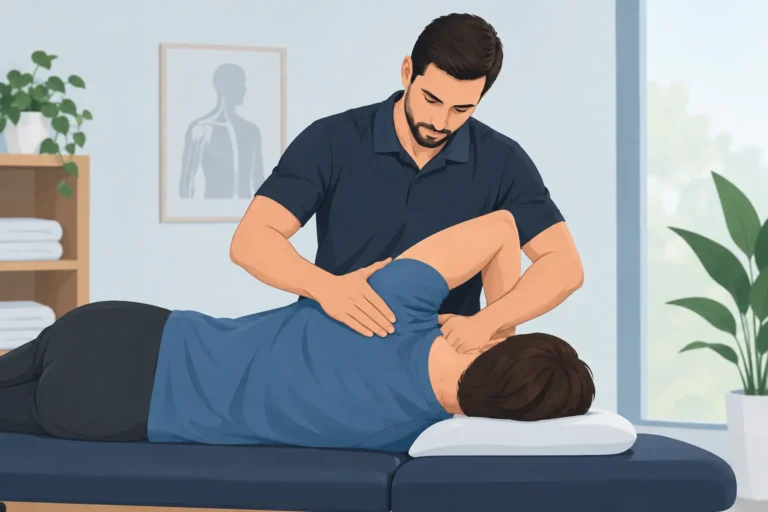
Rather than applying the same pressure everywhere, a neuromuscular session uses deliberate pressure, pacing, and assessment. The practitioner may work directly on a tender point, then address related muscles that are overworking or restricting normal movement. Gentle movement, stretching, and postural observation may also help clarify where tension is coming from.
This work is often helpful for persistent muscular discomfort, but it is not about forcing the body to release. Productive therapeutic pressure should feel specific and manageable, not sharp, numb, or overwhelming. Your feedback guides the session at every stage.
The most useful massage is not the one with the most intensity. It is the one that meets your body where it is, respects its limits, and gives you a clearer path toward feeling more comfortable in the days ahead. If recurring tension is changing how you work, train, sleep, or move, a personalized neuromuscular massage session can be a practical place to start.
Who May Benefit From Neuromuscular Massage
Playa Vista residents often balance screen-heavy workdays with active weekends, commuting, strength training, running, cycling, or caring for family. That combination can create repetitive strain patterns even when there has been no single injury. A targeted massage may be a good fit if you notice recurring tension that returns in the same places or if stiffness is beginning to limit your usual activities.
Common concerns include neck and shoulder tightness from desk work, persistent low-back tension, restricted hip mobility, calf and foot discomfort, jaw tension, and soreness related to training. Clients also seek care during injury recovery when they have been cleared for massage and want support for surrounding muscle tension or guarded movement.
It depends on the cause of your symptoms. Massage can be valuable for muscular tension and movement-related discomfort, but it is not a substitute for medical evaluation. New, severe, unexplained, or worsening pain deserves prompt attention from an appropriate health care professional. The same is true for numbness, significant weakness, fever, acute swelling, or pain following a serious accident.
A Better Fit Than a One-Size-Fits-All Session
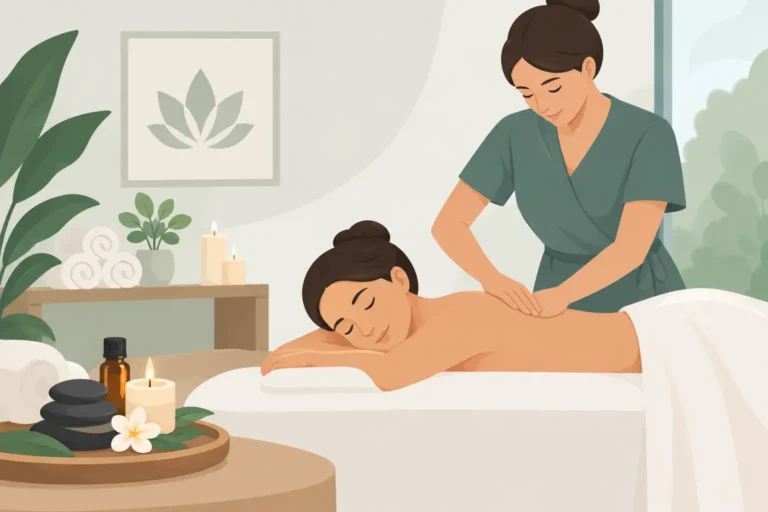
A relaxation massage can be a wonderful choice when the primary goal is rest, stress relief, and general muscle comfort. Deep tissue massage may be useful when broader layers of chronic tightness need attention. Neuromuscular massage is often the better option when there is a particular pattern to investigate: a stubborn trigger point, a familiar pain referral pattern, or a movement restriction that keeps returning.
These approaches can overlap. A session does not need to be entirely clinical or intensely focused to be effective. Many clients benefit from a blend of targeted work and calming, restorative massage. The right balance depends on what your body needs that day, how sensitive the area is, and whether your goal is recovery, pain relief, or stress management.
What to Expect at Your Appointment
Your appointment should feel collaborative from the start. Before hands-on work begins, you will have an opportunity to discuss your symptoms, relevant health history, daily activities, and goals. You may be asked where you feel discomfort, what makes it better or worse, and whether it travels into another area.
The assessment is practical, not intimidating. It may include observing comfortable ranges of motion or checking which muscles feel tender, shortened, or overactive. This information helps determine where to begin and how much pressure is appropriate.
During treatment, pressure is adjusted based on your response. Some trigger point work can create an intense but tolerable sensation that eases as the tissue settles. You should always be able to breathe normally and communicate clearly. If pressure feels too strong, produces tingling, causes sharp pain, or makes you tense up, say so right away. More pressure is not automatically better pressure.
You remain professionally draped throughout the session, with only the area being treated exposed. Comfort, warmth, privacy, and clear communication are part of effective care, not extras. If you prefer a quieter session or want to understand what is being addressed as treatment progresses, that preference can be accommodated.
Why Pain Can Return After a Massage
A massage can reduce tension, yet the same discomfort may return when the underlying load remains unchanged. Hours at a laptop, an unsupportive work position, a sudden increase in training volume, insufficient recovery, or repeated one-sided movements can all contribute. That does not mean massage has failed. It means your body may need a combination of hands-on care, recovery time, and practical changes between appointments.
For someone with chronic shoulder tension, that might mean taking shorter movement breaks during the workday and changing monitor height. For an active client with tight calves, it may mean easing back on training intensity temporarily, hydrating consistently, and allowing time for recovery. Small adjustments are often more realistic and sustainable than a complete overhaul of your routine.
Treatment frequency also depends on the situation. Acute muscular tightness may improve with one session, while a long-standing pattern can respond better to a short series of appointments spaced according to your symptoms and schedule. Progress is usually measured by more than soreness alone: easier movement, fewer flare-ups, improved comfort during work or exercise, and a better understanding of what your body responds to.